


The Narrow Boats of England and the power of hope.
The Narrow Boats of England’s inland canal waterways have always captured my imagination. To me these distinctive boats are a pinnacle of “form follows function” as they all look very similar being designed within a strict standard that will fit with the locks on the canal system throughout the UK.
A Narrow Boat must be under 7′ wide and most are kept to a maximum of 6′ 10″ and to a maximum length of 72′ and sometimes a bit smaller as there are some locks on the system that can not accommodate anything longer than 57′. 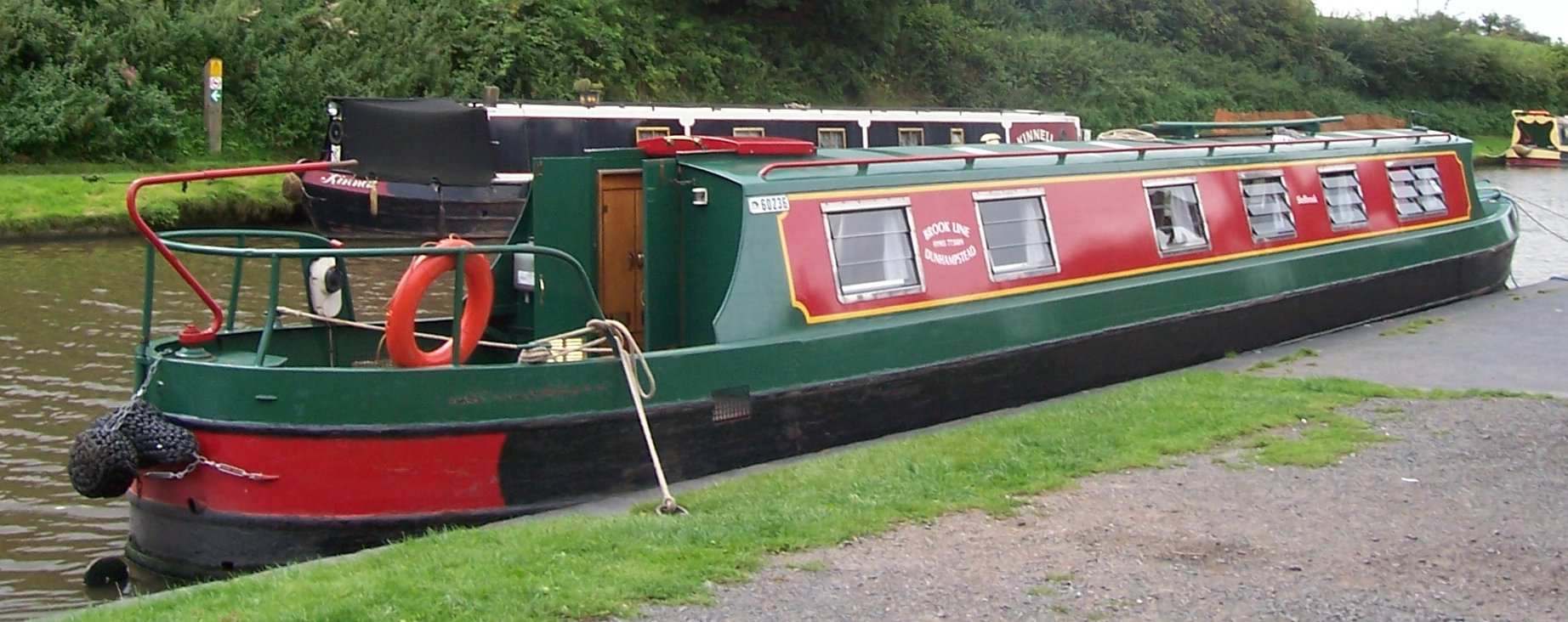 Originally these boats were more like simple barges with horses pulling them along with a rope on a tow path. With the development of compact steam engines, many became self powered and ultimately converted to diesel engines.
 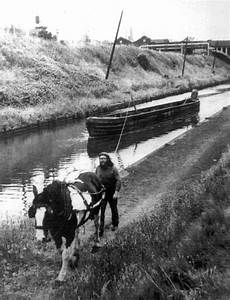 The canal system of the UK and the iconic narrow boats played a key role in the industrial revolution in England making it possible to cheaply move material throughout the country before the development of the railway system.
 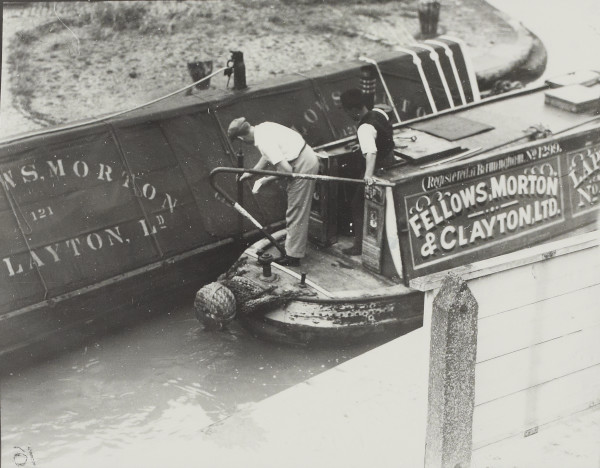 As canal traffic became the standard way to transport heavy cargo, shipping prices dropped precipitously with the cost to move coal dropping by 75%.
 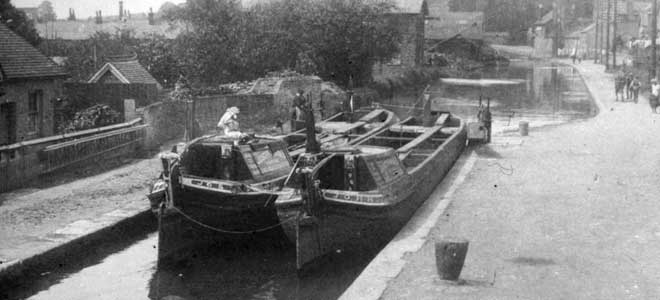 However, by the mid 20th century the canal system was all but abandoned in favor of train transport.
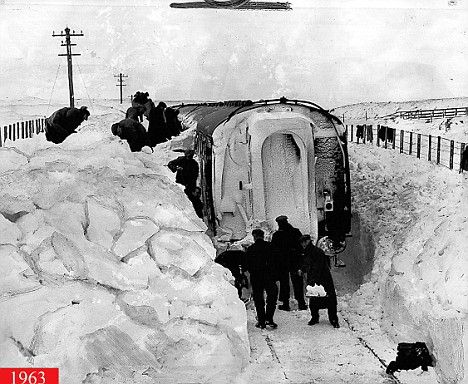
While the decline was years in the making, the winter of 1962/63 sounded the final death knell of commercial canal traffic when the canals completely froze the system, locking traffic in place for three months. Shippers made the final shift to the railroads and never turned back. 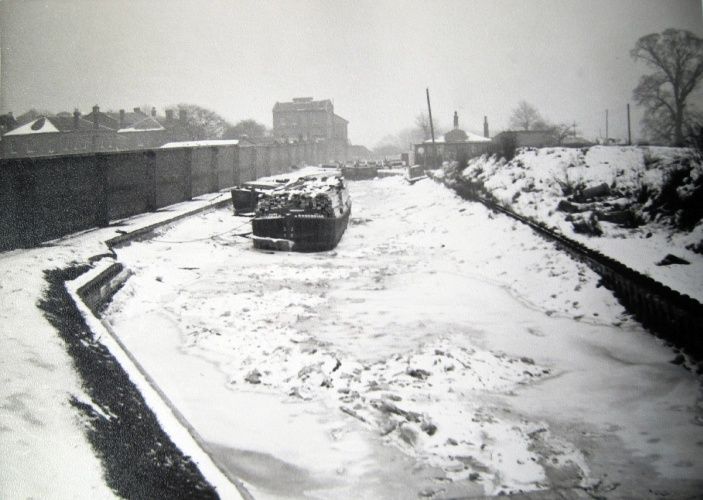 Even the trains struggled with the unusually cold and snowy winter but they got through.
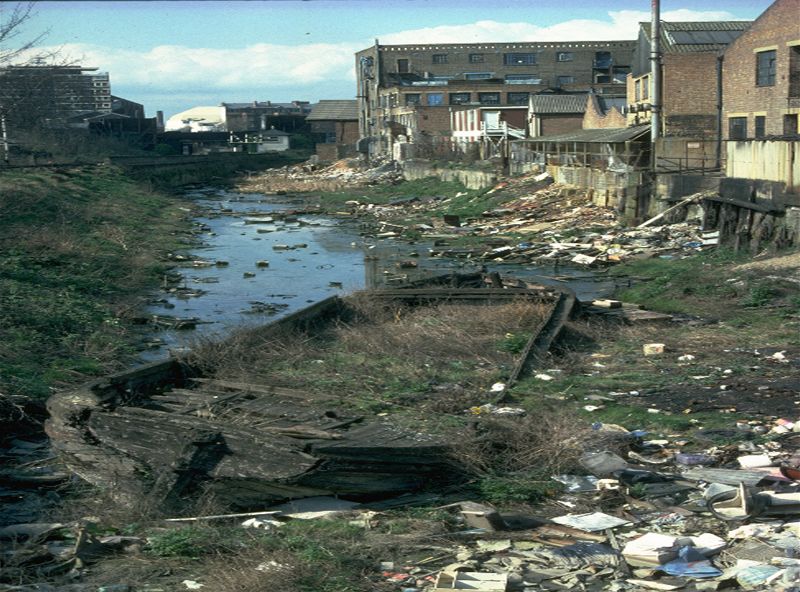
  As you can imagine, it wasn’t long until much of the canal system fell into total disrepair.
 As is so often a basic truth, if you don’t use it, you loose it.
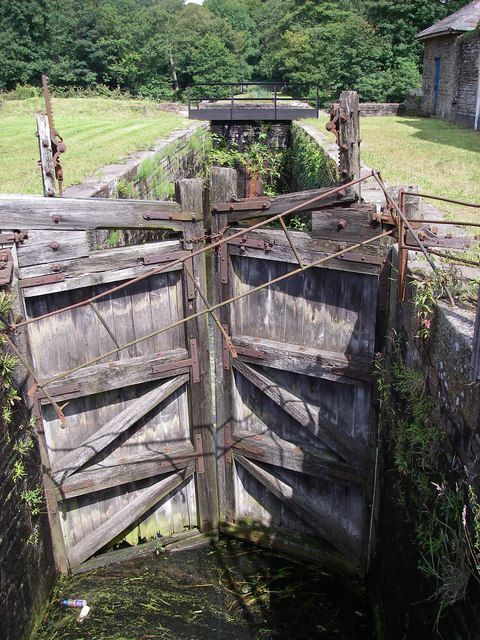 Today the system is thriving, thanks to a small group of enthusiasts that campaigned to repair the waterway. A particularly seminal moment in this reversal of fortune was the publication of the book Narrow Boat by L.T.C. Rolt, originally published in 1944. The author, Tom Rolt, brought attention to the decaying system.
 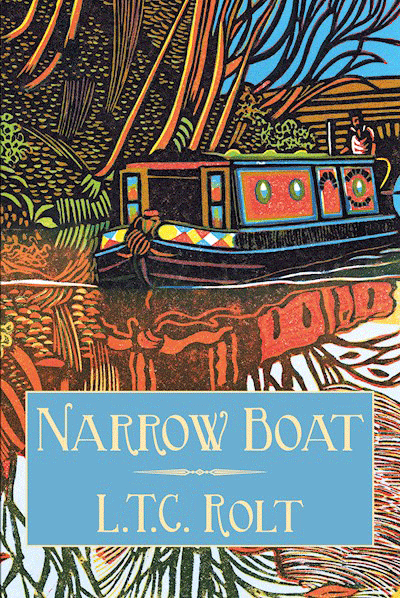 Many give credit to this book as being the catalyst that lead to the renewal of the canal system as it exists today. This book is still in print, after all these years, providing evidence of the enduring importance of his words.
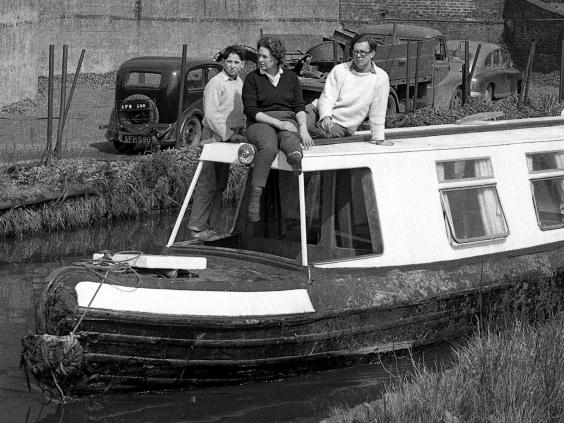
Here’s Tom on his beloved narrow boat, Cressy. He toured what remained of the the then decrepit canal system and founded the Inland Waterway Association in 1946 with a friend, Robert Aickman. This group remains a major force to this day in restoring and maintaining the canal system. 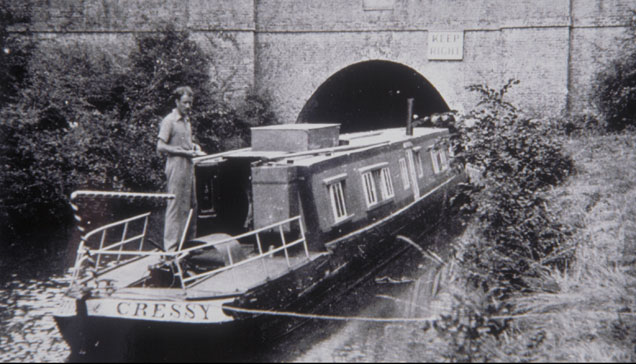 Robert Aickman aboard a narrow boat. He was a successful author of what is described as “supernatural fiction” whatever that is.
  Remarkably, today there is in the neighborhood of 4,700 miles of navigable waterways in the UK with some 2,500 miles of those waterways primarily accessible by narrow boat. If you ever wonder about what can be accomplished by a single individual, consider the impact that both Rolt and Aickman had on what is now a thriving canal system with over 30,000 registered vessels in the UK alone.
I am focused on all of this, beyond the obvious is this is all about boats, because, as I announced in a recent post, Brenda and I are planning a holiday to the UK in April, beginning with the annual meeting of the Ocean Cruising Club in Wales (I wrote about our plans and a few other random thoughts in this post). After that we plan to tour other areas and are considering renting a canal boat or should I say Narrow Boat.
The particular segment of the canal system that we are interested in is often described as the most popular one, crossing from England to Wales, the Llangollen Canal. This area of the canal system, under 50 miles, offers spectacular scenery along with a number of remarkable aqueducts and tunnels and is quite manageable for a week long holiday. When you think of the fact that this canal was built in the early 1800s, it’s an all the more impressive feat.
Perhaps the most amazing part of the journey on the Llangollen is the Pontcysyllte Aqueduct, a specatular bit of Victorian engineering. Named a world heritage site, it is lovingly maintained to this day. Check out this short tour. We’ve been watching a number of shows recently about the canal system and have particularly enjoyed a series highlighting various areas of the system, hosted by two British actors, Timothy West and his wife of 50 years Prunella Scales. Sadly, Prunella has been diagnosed with Alzheimer’s and her condition plays into the touching narrative. I urge you to view this 45 minute piece.Timothy West is a well know stage and film actor and, in addition to the above episode, made many others with his wife, covering other areas of the canals of Europe. It’s an impressive list and the number of episodes alone highlights the historic importance of canals in the history of Europe.
Prunella Scales, is someone who you will probably remember as playing opposite John Cleese, in the television series, Faulty Towers or perhaps in Monty Python skits over the years. 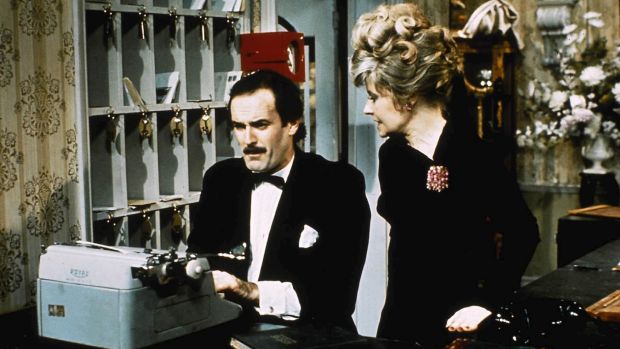 Anyway, West and Scales, who clearly have a love of canals and Narrow Boats, bring this wonderful lifestyle to life and I am hopeful that Brenda and I can find a way to fit a canal boat holiday into our trip in April.
Perhaps the most impressive part of all of this is how the rebirth of the now thriving canal system in the UK was catalyzed by one man and the publication of a book shortly after the end of WWII and how that has grown into a thriving economy that attracts boaters from around the world. If the sheer number of videos on YouTube is any measure, the canals indeed mean a great deal to many people.
For me, the chance to visit the UK and spend time aboard a boat, now that would be very special indeed. Oh yeah, there’s one rub, we have to find someone to come along with us as Brenda’s freaking out about those pesky locks and don’t get her started about those scary aqueducts…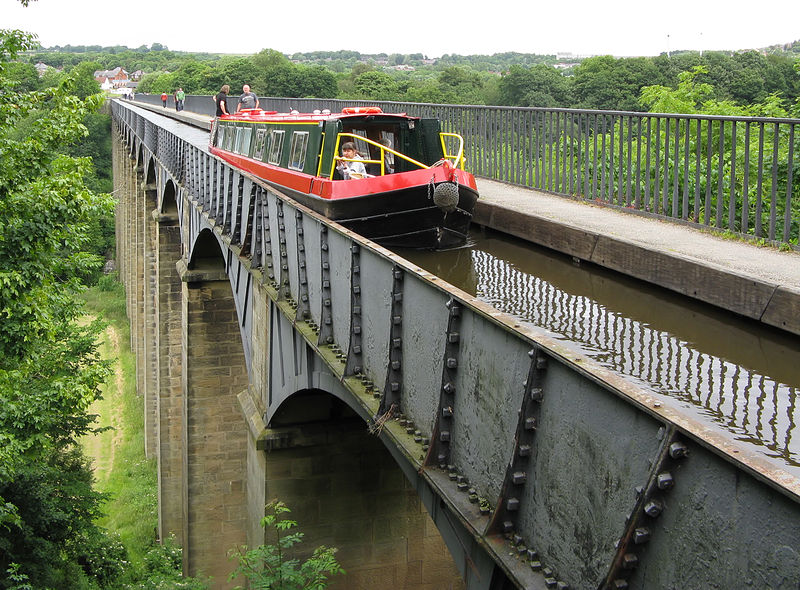 …and long dark tunnels.
 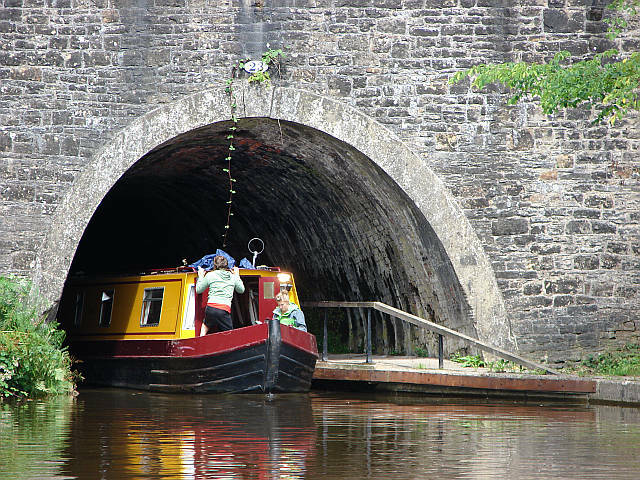 So, will we go? As Brenda once said, “Bob and the dog, ever hopeful.”
Way back in the 40s, Rolt and Aickman had hope when they had the bold idea of reviving the entire canal system. Me, my hope is a lot less ambitious. All I want to do is to go for a boat ride.
That’s me! Fingers crossed and, oh yes, the power of hope.
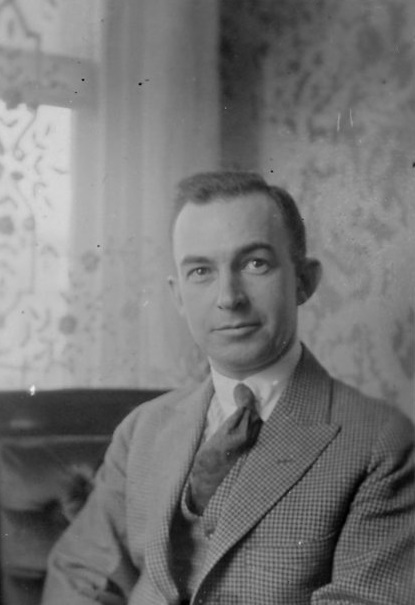 My father did not speak much of his childhood but I do recall hearing that his parents, Wallace (Wally) and my Grandmother, Wilhelmina (Willy) Wilhelm, a good German Girl, ran a pretty tight ship and were stern with their boys, my father and his two brothers.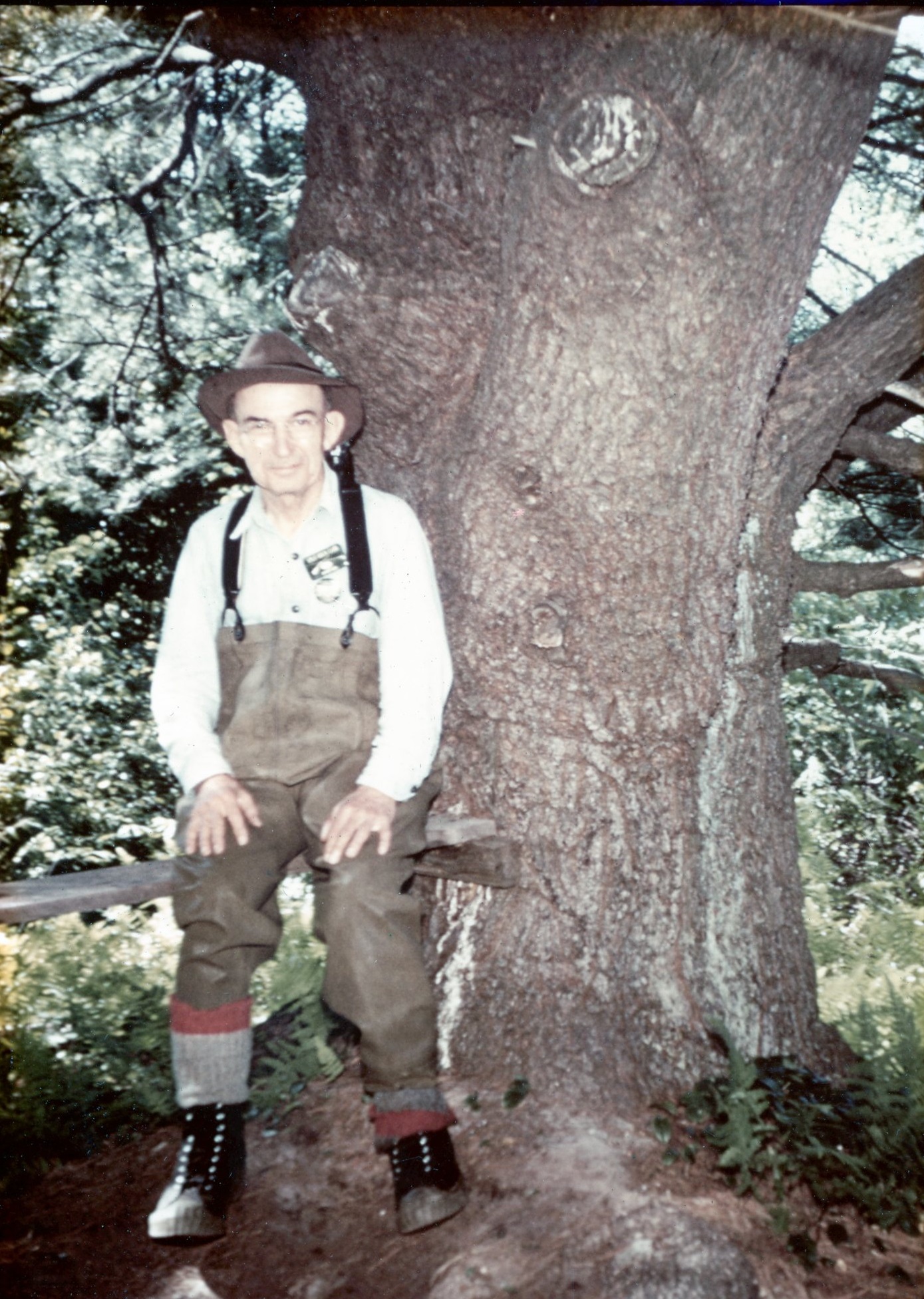
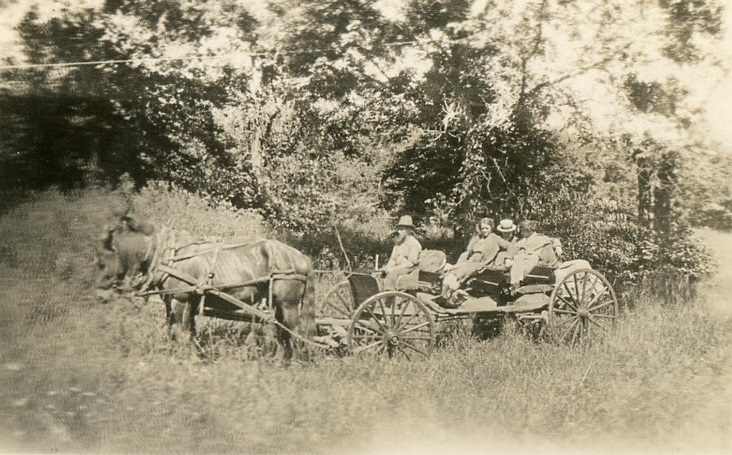 Here they are, fording a stream, clearly in the same area, labeled “Katahadin Maine” which I learned is the highest mountain in the state. Located in the remote center of the state and I can only imagine how tough it was to get there in 1922 when this photo was taken as it was years prior to the interstate highway system.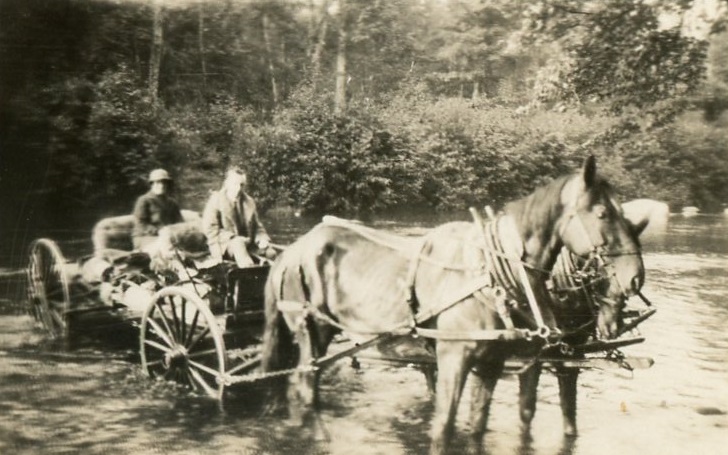
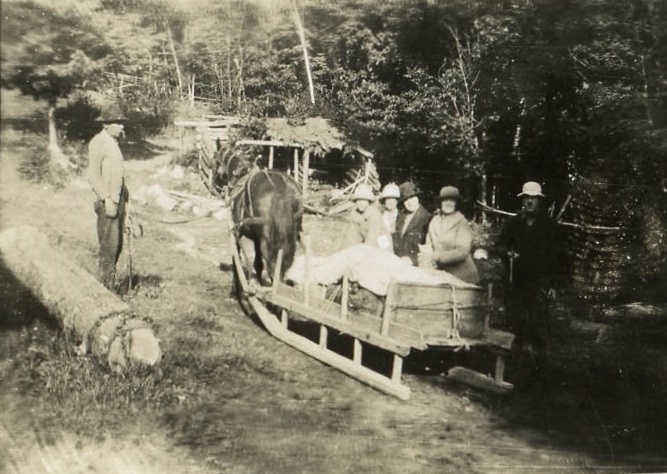 Roughing it or not, this photo, taken that same year, shows grandfather looking right at home in the backwoods, especially for a city guy. Adventuring of the sort that they did was probably not all that common at that time.
 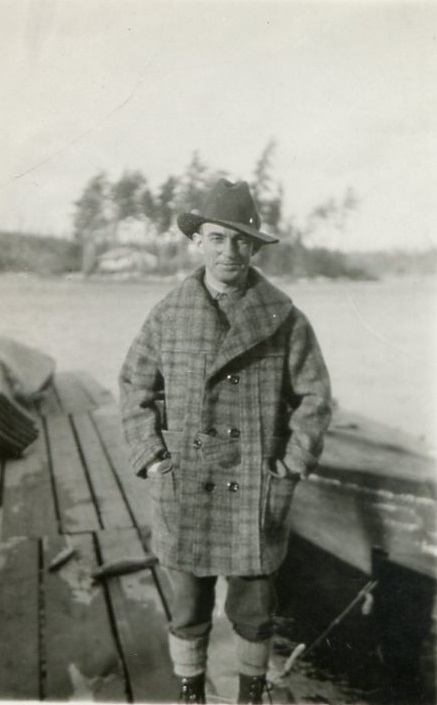 My grandmother was no shrinking violet. And here she is “packing”. Notice the sidearm. I wonder if that was before or after her encounter with that moose? Of course, as you’d expect for a proper rusticator, a skirt, appropriately below the knee, of course.
 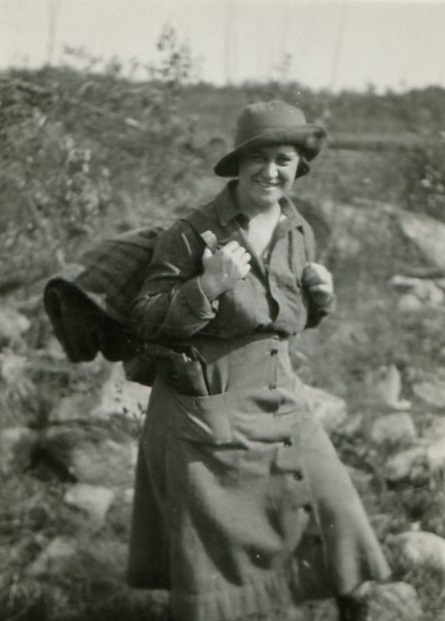 Wally packed too. It’s photo was taken some years later, in 1937, again in Newfoundland. And, of course, complete with his ever present cigarette.
  And out by the cookhouse in Newfoundland in 1940. I would imagine that they flew there as I can’t imagine having the time to get there by train, car or ship.
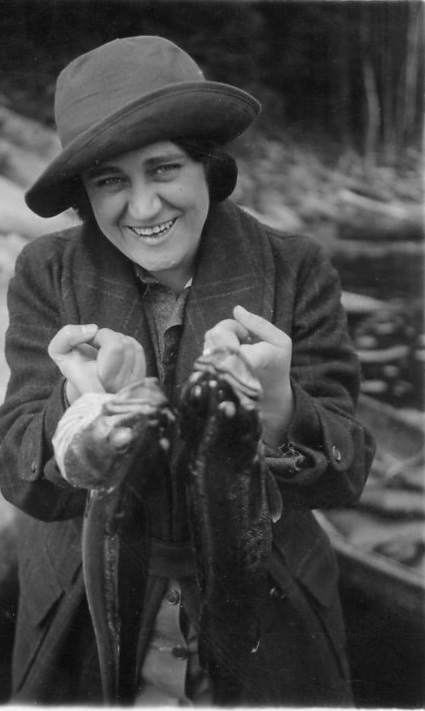
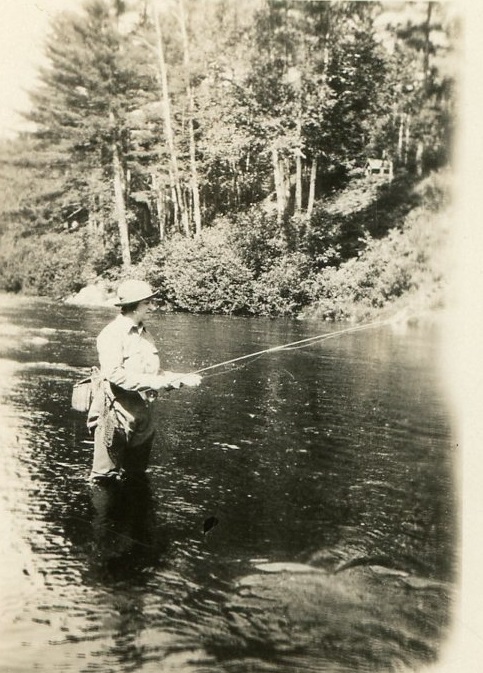
 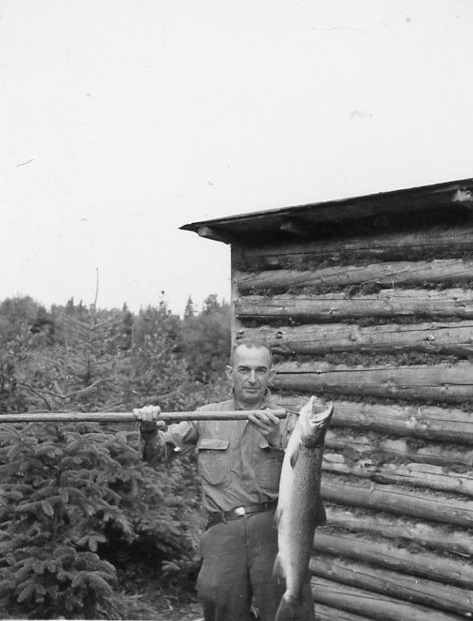 My grandmother did plenty of fishing in those years too. I remember her as pretty stern but with a great smile. When she was much older and saw me she’d say in a high pitched voice with a jaunty lilt, “little lamb, little lamb, little lamb chop, chop” and poke me in the ribs. I loved that.
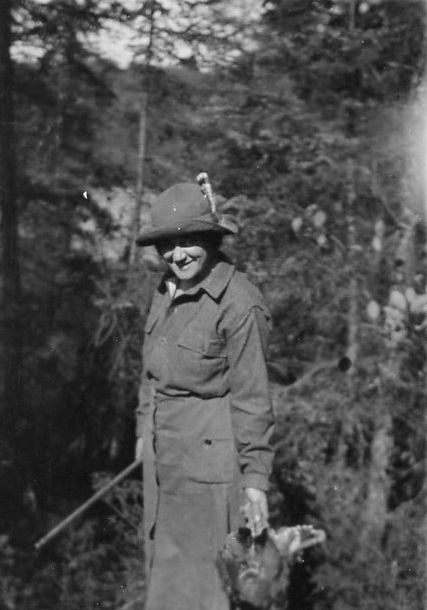
  And, our Willy could handle a gun as well as a rod and reel. Love the feather in her hat.
  Looks like lunchtime with their guide. In those areas I doubt it was a good idea to go it alone. And, I expect that there was plenty of critters, large and small, that “went bump in the night” to keep an eye out for.
 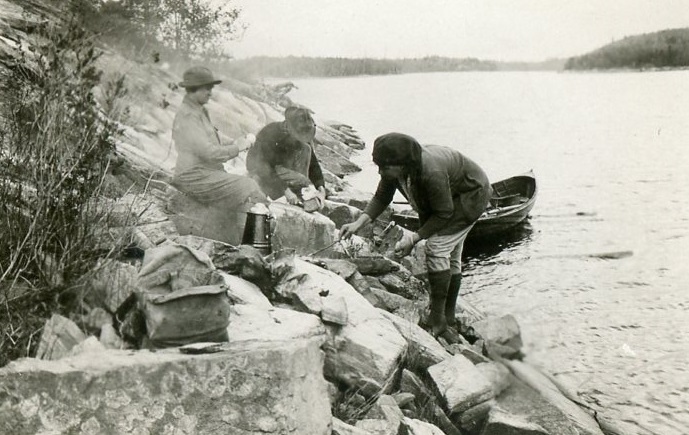 I’d love to know the story behind this moment.
 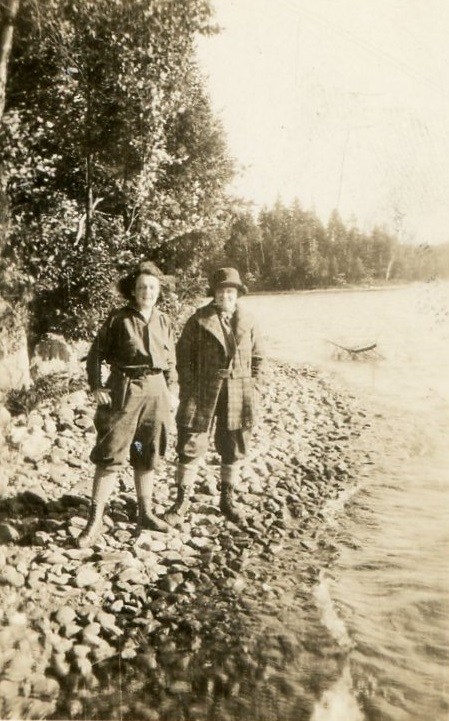 Willy could fish with the best of them it seems although she never spoke of it with me.
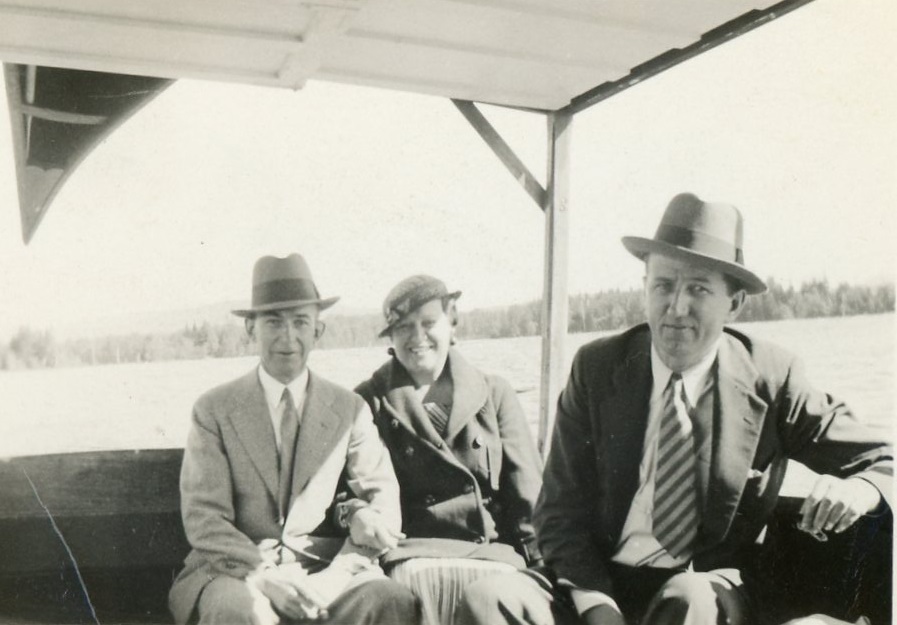
  This photo, labeled only as “Maine” appears to be some sort of ferry. Imagine being out in a remote area and wearing a tie and hat these days? Heck, I even get comments at our yacht club when I show up in a bow tie.
  This photo carried an interesting caption on the back, “Dashing Youth, Wrecked City, Canada”. I tried but couldn’t find any reference to such an event in the 20s when I guess the photo was taken.
 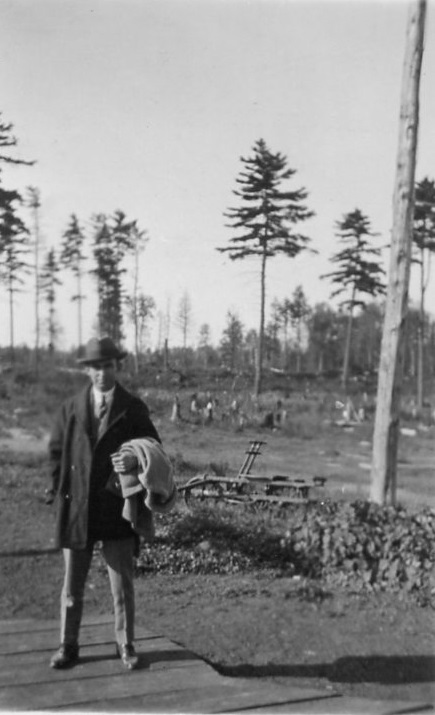 Along the way they did the tourist thing. This was taken along the
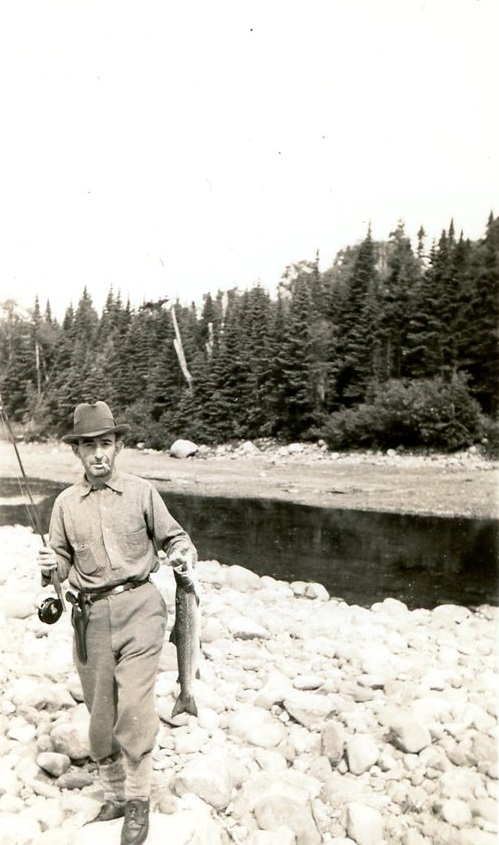
 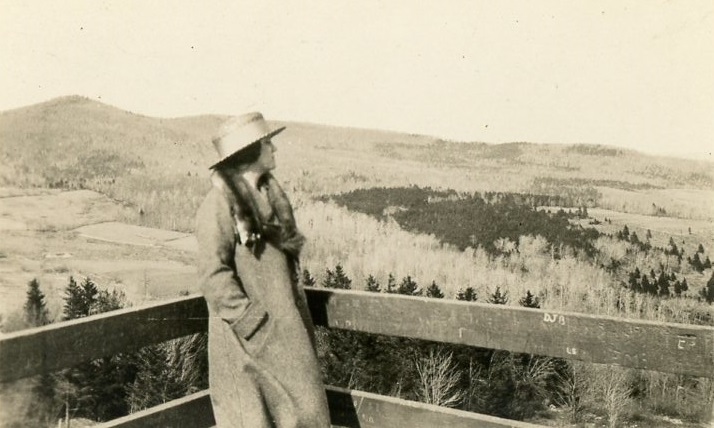 Some of the photos show my grandfather in what looks like really remote areas, like this one on a rocky riverbank, also from the early 20s. I guess that is an Atlantic Salmon. Come to think of it, all the photos look pretty remote.
 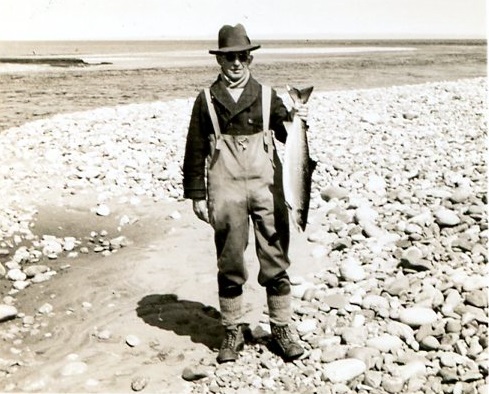 Legend has it that in his later years he had a standing order from a guide in the Pacific Northwest to contact him when the salmon were running and he’d hop on a plane and fly out. In those days that was a very long way as planes didn’t have nearly the range of today’s jets and had to stop every few hundred miles for fuel as they made their way from coast to coast, across the continent.
 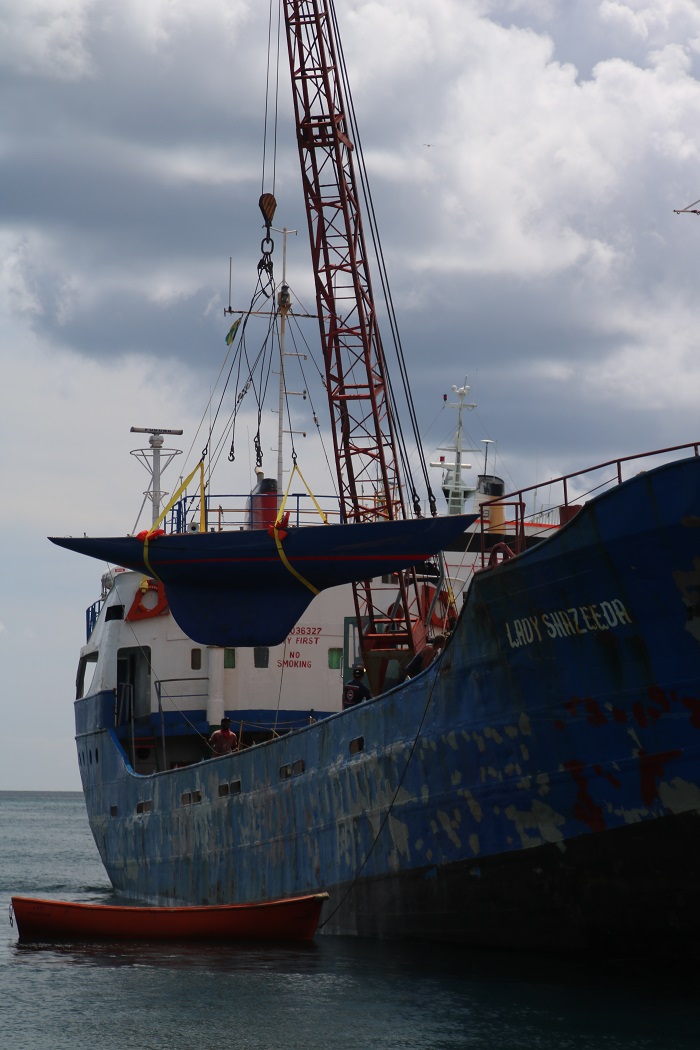 This regatta draws from nearby islands, including a number of Carriacou sloops, those beautiful traditional, beach built sloops like
 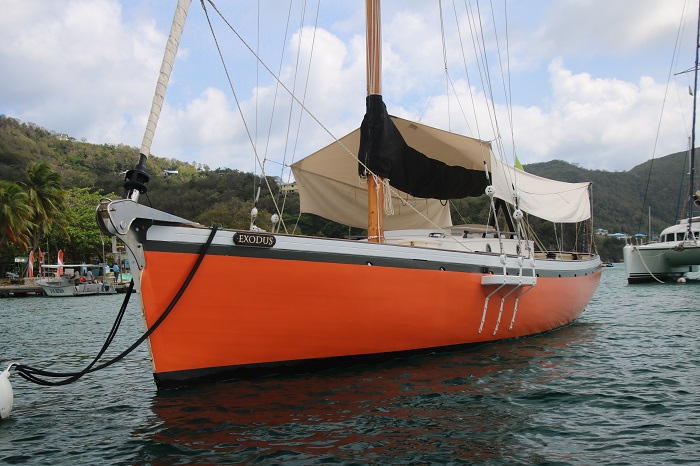 It’s quite a sight to see her racing around the course with her cousins.
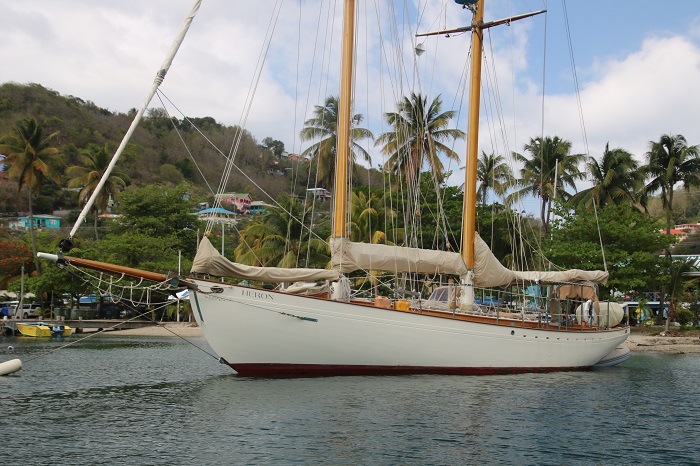
 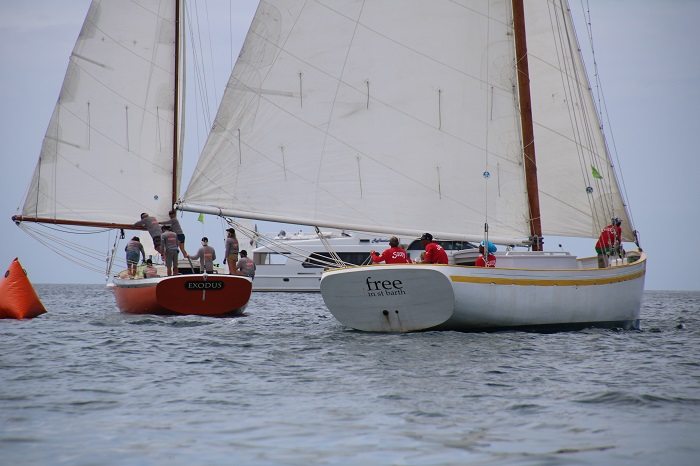 Exodus was the subject of a full length movie about her building and the history of the design. Here’s a short trailer for the movie. Check it out. If that inspires you to watch the full movie, here you go. Get a glass of rum, sit down and enjoy the show. Others came from the US like this lovely schooner Heron. She summers in Maine, chartering out of Rockport. Brenda and I will be in Maine this summer and plan on spending time in Rockport ourselves. Perhaps we’ll see her. Her captain and owner also built her and he did a great job. Want to learn more about her?
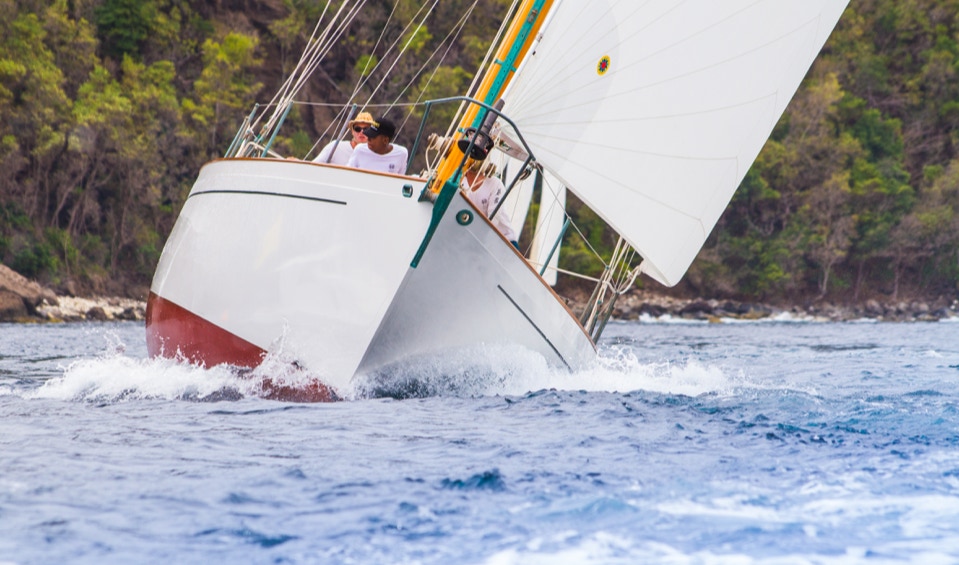
  While Heron is a classic design, she’s only a few years old. Other classics participate in the regatta as well as other events in the Caribbean, such as the Antigua Classic Yacht Regatta, held in late April in Antigua. One particular beauty that was there last winter was Ma Jong, built in the 1950s. I found this particular shot of her on the Easter Regatta home page. She’s a beautiful and very powerful boat. Her home port is Vineyard Haven on Martha’s Vineyard where she was restored to her present glory.
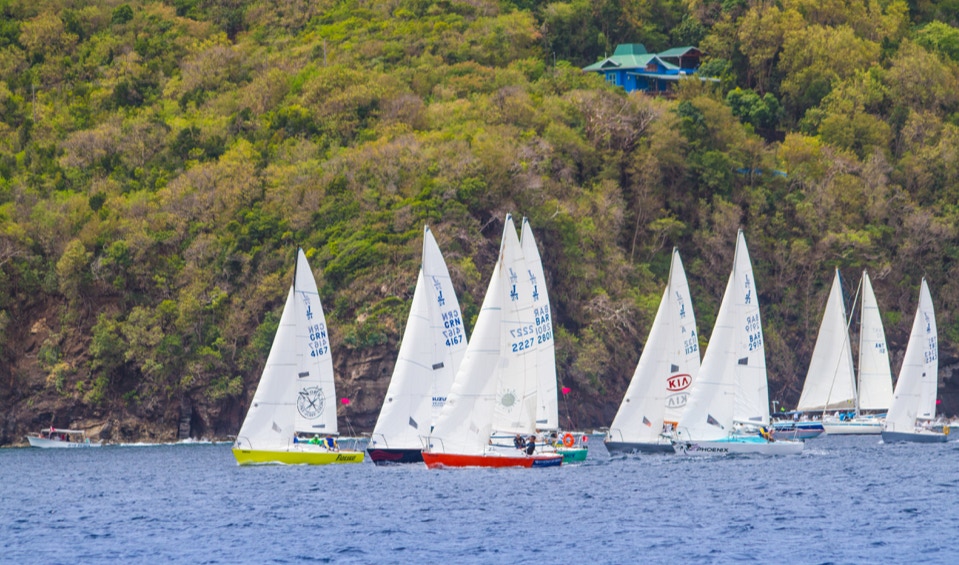
  There are some good sized one design fleets in the regatta, like these vintage J24 sloops. This colorful shot is also from the regatta site.
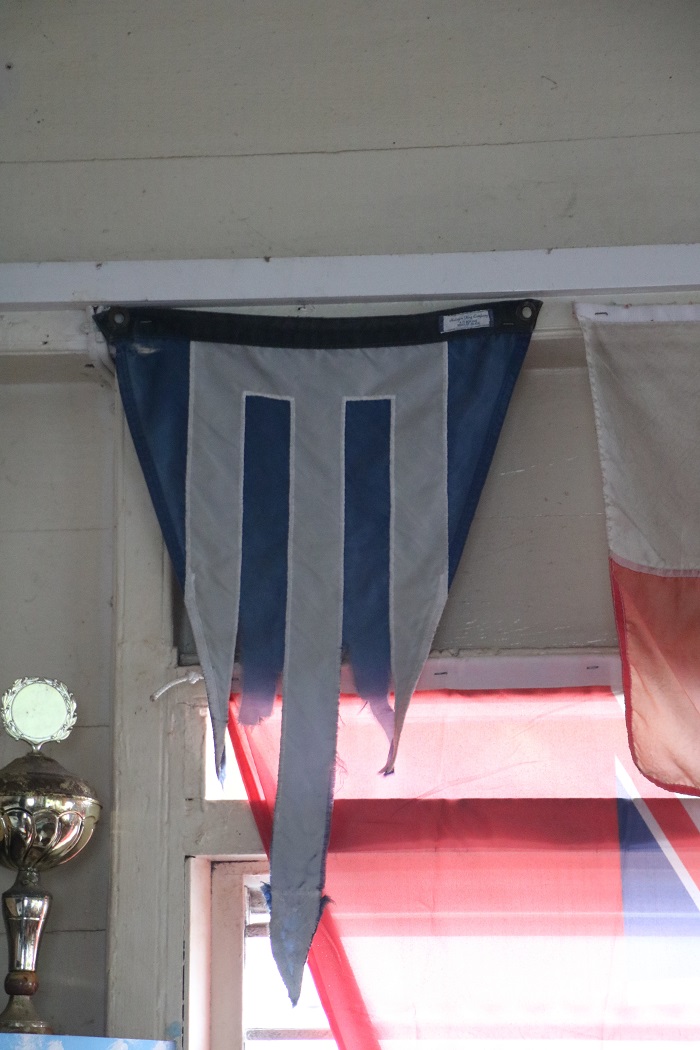
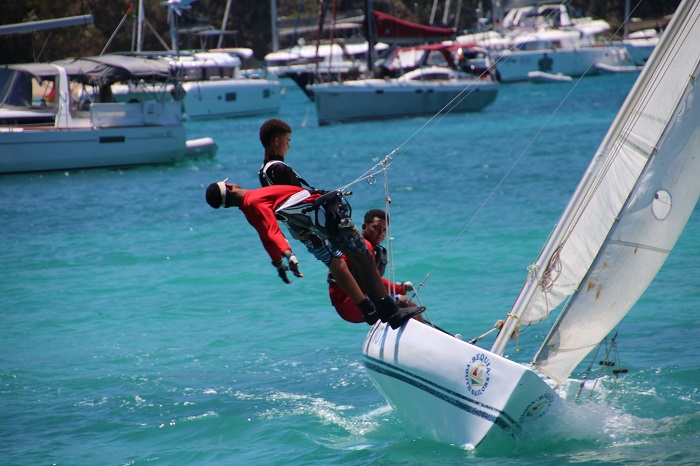
  And, of course, there are the local Bequia sloops, built and raced on the island. You don’t have to be there during the regatta to enjoy the fun as they tack around the harbor. The local youth are out sailing these boats nearly every day, regatta or not. The youth clubhouse, oddly in a bar, is jammed with burgees brought by visitors over the years including this well used one from the Essex Yacht Club, my home club.
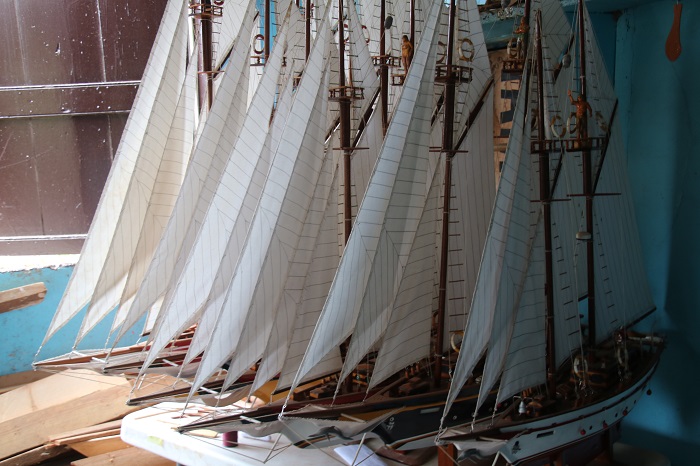
  Along with boat building on the islands the history of fine craftsman goes way back including a tradition of model boats. These are fun to see and watch being built.
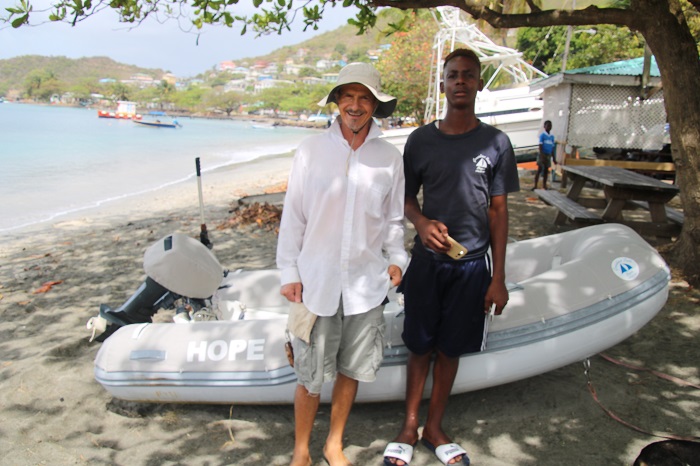
  If you followed the link above, you’ll find this photo a bit repetitive as that post also included discussion about the new dink chaps we had built. Anyway, we had some great work done on the dink.
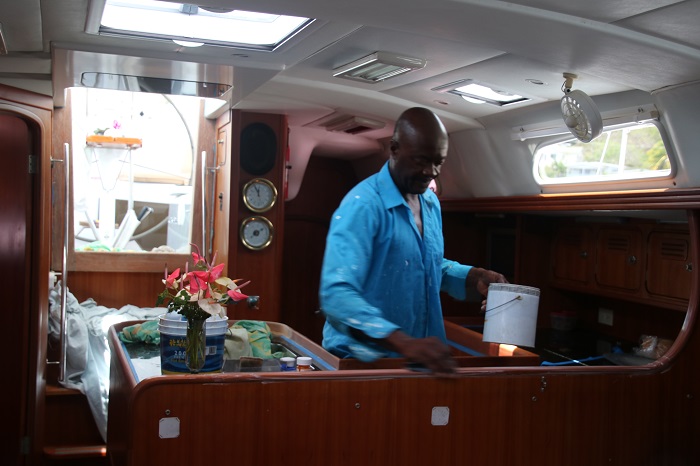
  Pandora’s varnish below was freshened too.
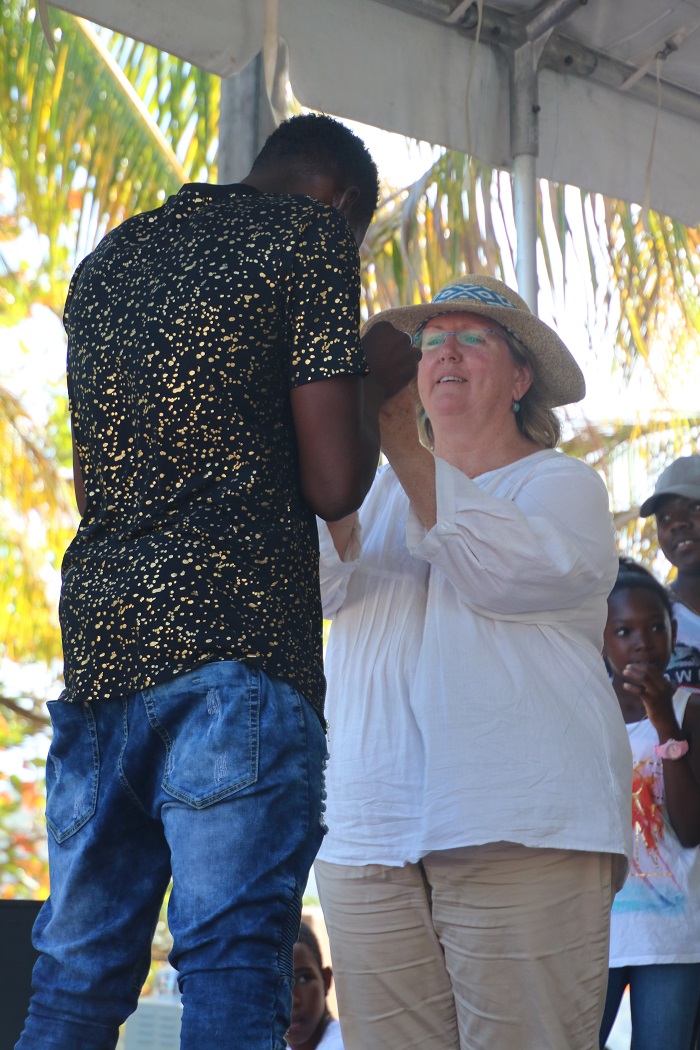
  There’s plenty to do ashore during the regatta including all manner of competitions. Everything from musical chairs on stage to threading the needle, yes threading sewing needles. Brenda competed and won, with a little help from a local and no doubt mortified, young man. They were both good sports.
 Checking into Bequia is easy if more expensive than the French islands. Just about all of the islands from St Vincent, south through the Grenadines, to just north of Grenada, are all part of the same jurisdiction.
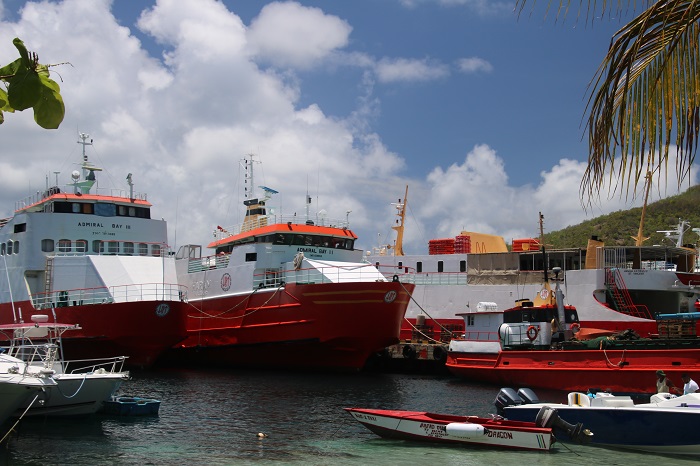
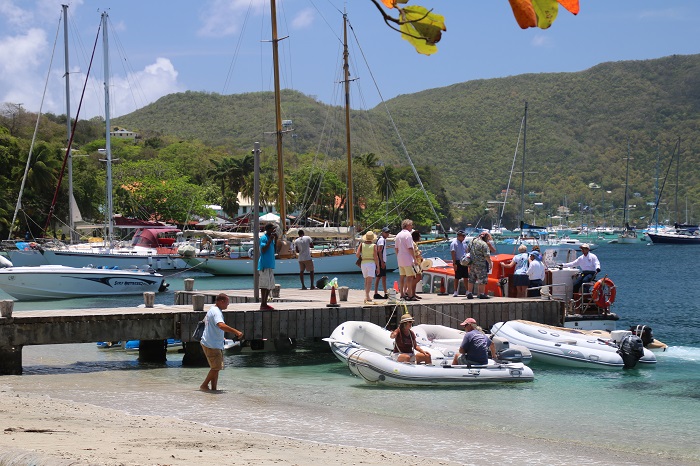 Everything about the harbor is colorful including the ferry boats from St Vincent.
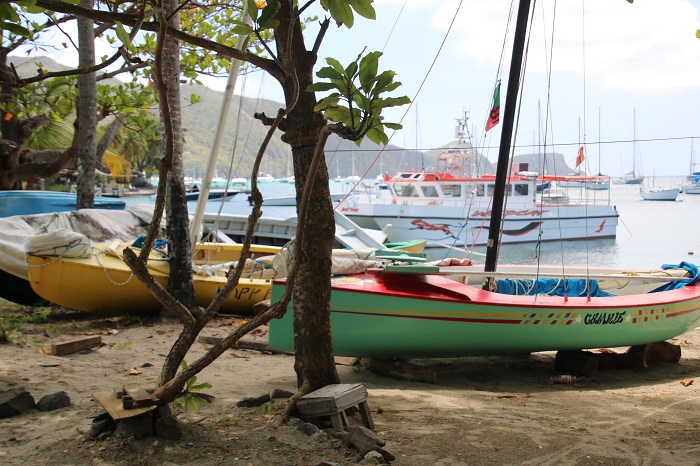
  With all manner of local boats pulled up on the beach.
  We enjoy checking out local eateries and there are plenty to choose from, convenient from the walkway ringing the southern side of the harbor.
 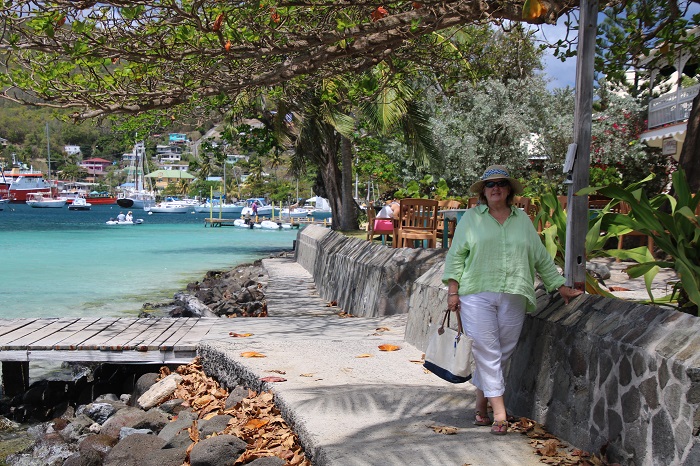 I have used this shot before. To me, it perfectly evokes the image from the much loved classic book, The Wind in the Willows, when Ratty famously says, “Believe me, my young friend, there is nothing – absolutely nothing – half so much worth doing as simply messing about in boats.”
  Well, there you have it, Bequia, o
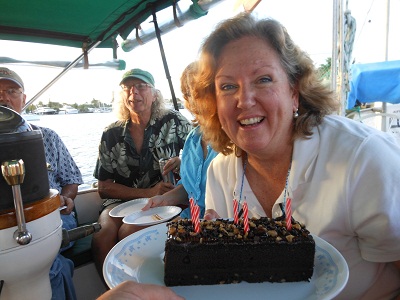 The Salty Dawg Sailing Association, a group that in only a few short years became the organizers of what is now the largest rally to the Caribbean from the US East Coast. SDSA, is dedicated to educating sailors and their crew to prepare for the rigors of offshore sailing and they do a wonderful job at it. It’s very exciting to be part of the nearly week long events in Hampton VA as skippers and crew from nearly 100 boats attend seminars, have parties and get ready to head south.
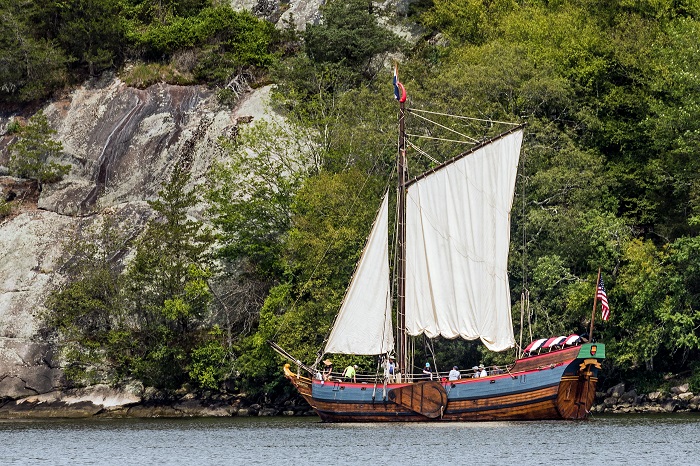 Just a bit farther up the river is Selden Creek, a really narrow and beautiful, cut off of the river. It can be tough to get over the bar at the entrance but once but once you are inside, it’s plenty deep and stunning. You can anchor fore and aft if you tie up to a spot on the bank. There’s an iron ring cemented into a cliff on the bank. This was our first Pandora, a SAGA 43 tied up there, way back in 2007.
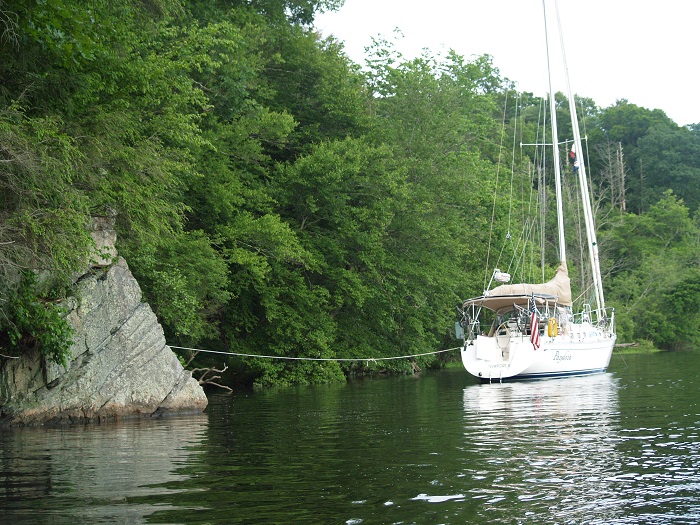 As tempting as it may be to climb up the rock and jump into the water, don’t do it as it’s private property. Years ago, our son Rob broke the rules. Don’t tell anyone.
 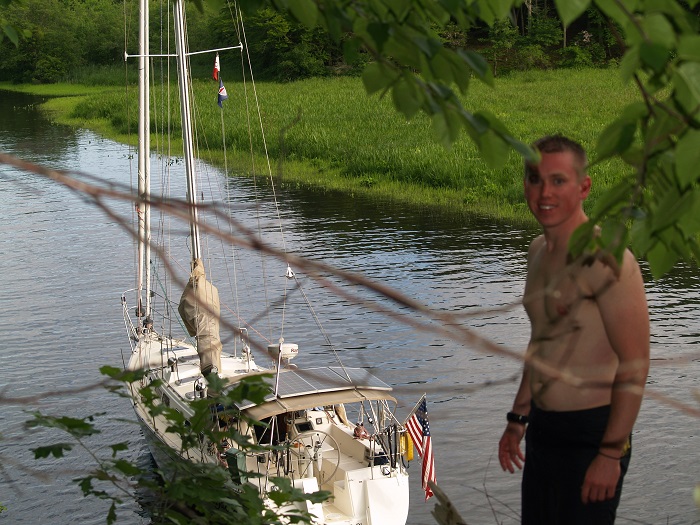 He and a friend jumped off of the “private” rock.
 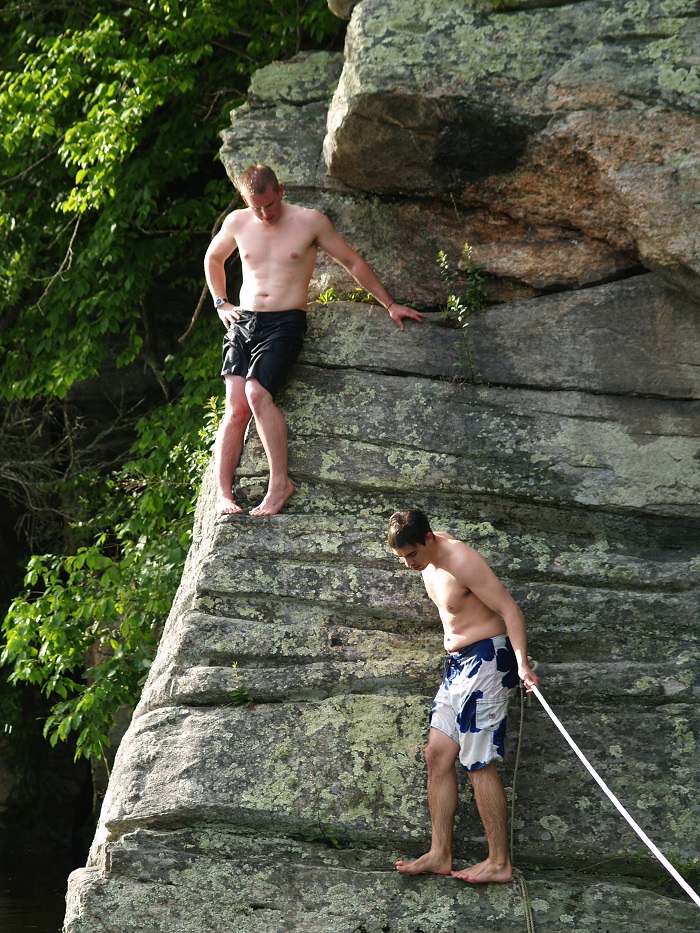 What goes up, must come down.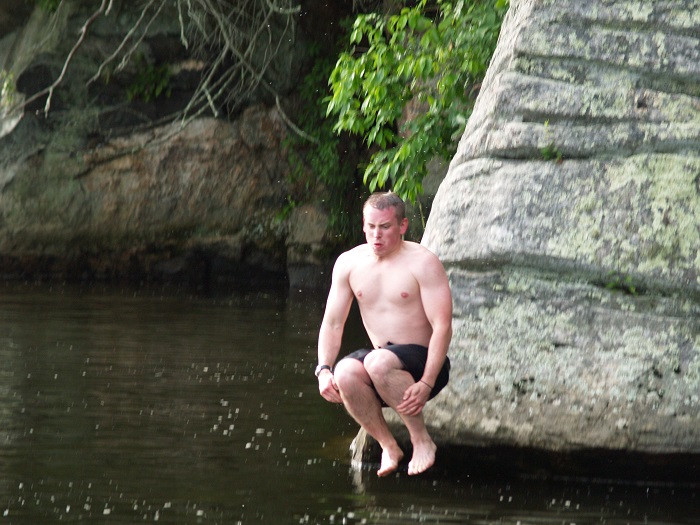
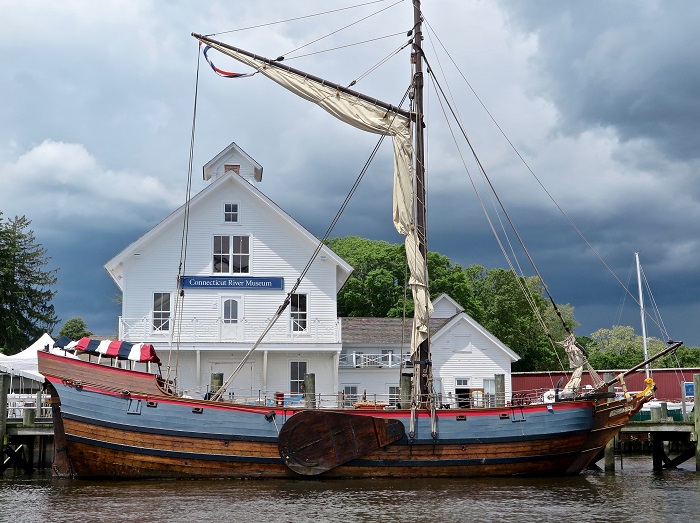 Essex Harbor is quite large and while there are lots of moorings for rent, there is also plenty of room to anchor on the far side of the river. This shot, from the air, is compliments of the CT River Museum.
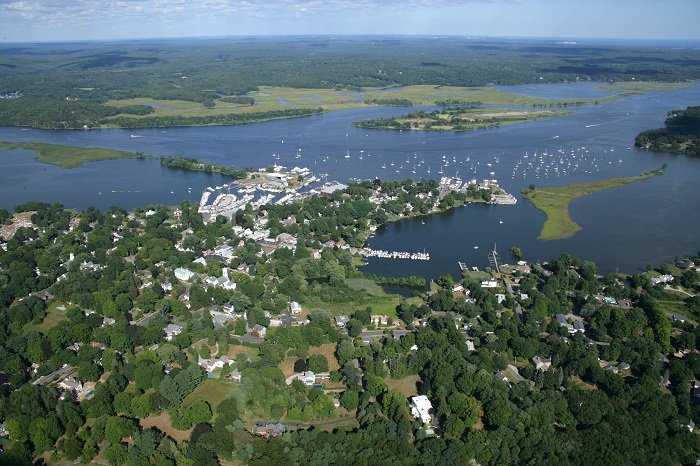 It’s a beautiful harbor, especially in the early morning. Fresh water here too.
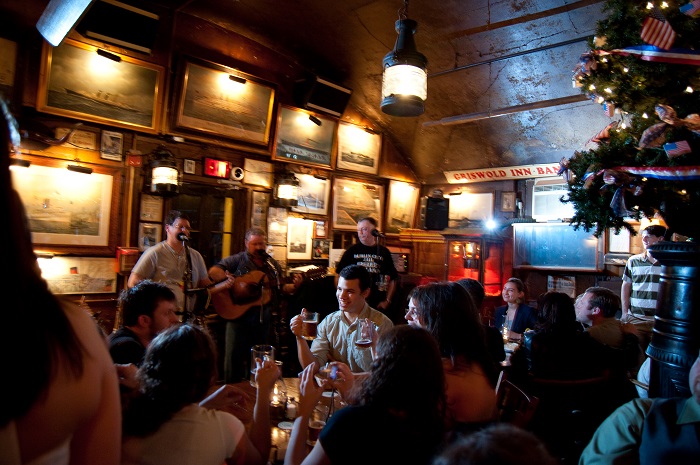
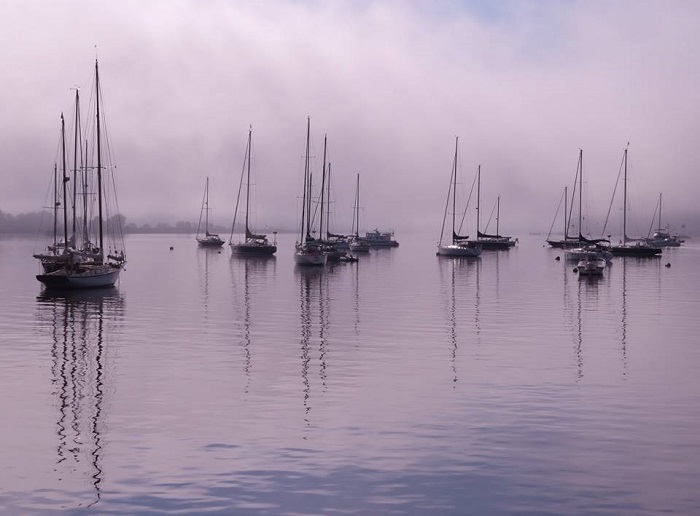 There’s plenty to do in Essex, after hours. A particularly popular spot is the bar in the Griswold Inn, known locally as simply, The Gris. It’s one of the oldest, or perhaps the oldest, pubs in the country, operating continuously since 1776.
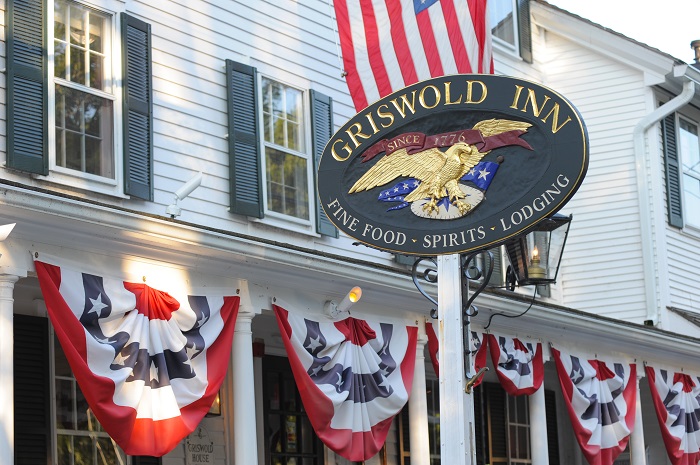 My favorite event, held every Monday night at the Gris, is sea chanteys performed by the group the
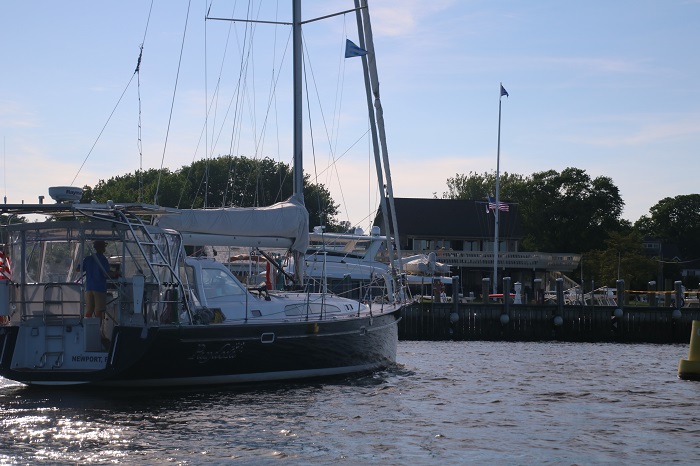
  And, let’s not forget the Essex Yacht Club, where the event will be held, with Pandora conveniently out in front in this shot.
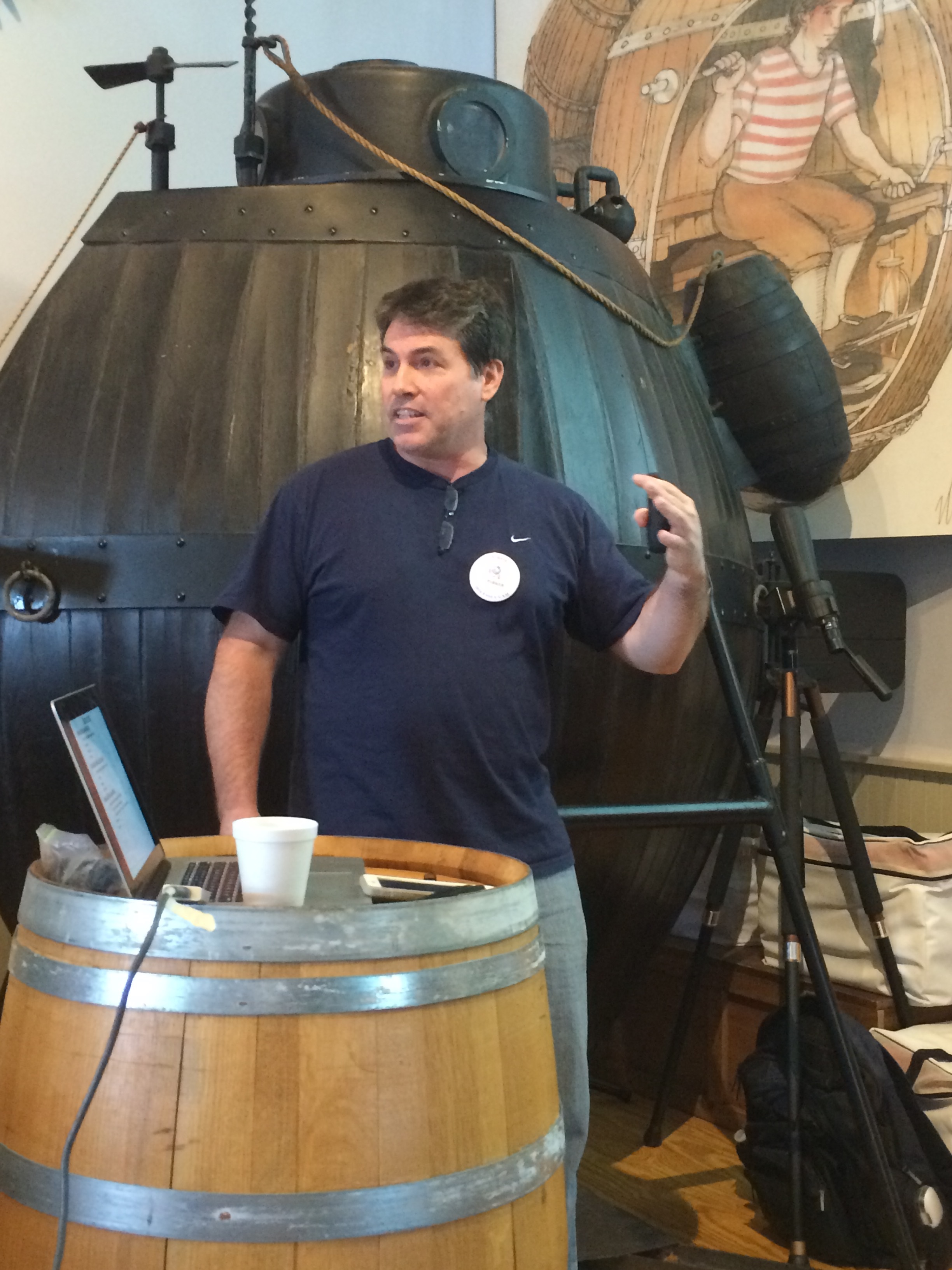
  The agenda is coming along nicely and will include a program on weather routing by
  We’ll also have talks about cruising in Maine, the Bahamas and the Caribbean. All with a bent toward blue water sailing.
 Well, there’s still more in the planning stages but George and I are really excited about how things shaping up so stay tuned to learn more.
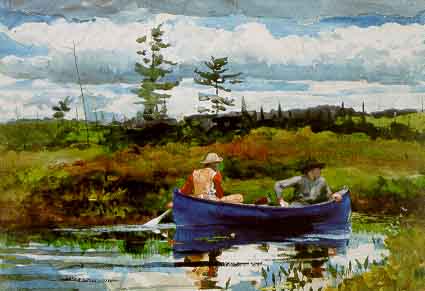
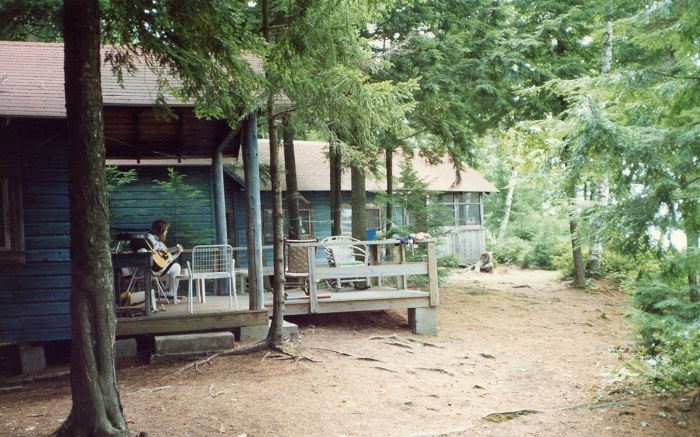 I fell in love with the traditional boats of the area. Perhaps the most iconic boat design of the region is the Guide Boat, so named because it was used for hunting and fishing by “sports” who visited the region by train from NYC to “rusticate”, beginning in the years after the close of the Civil War. These boats were crewed by the builders themselves, who spent winters building the boats and summers taking visitors on guided hunting and fishing trips. Guide boats are known for being easy to row and for being able to carry a lot of gear and as they had to as often it was a hunter, guide and any game that they may have bagged.
 I got the bug to have one of these beautiful boats but couldn’t afford to buy a “real” one. Instead, I found someone who was offering a “bare hull” in Kevlar which I finished with walnut decks and cane seats. I even carved out oars to pretty exact specs. This is one sweet boat to row and very light.
 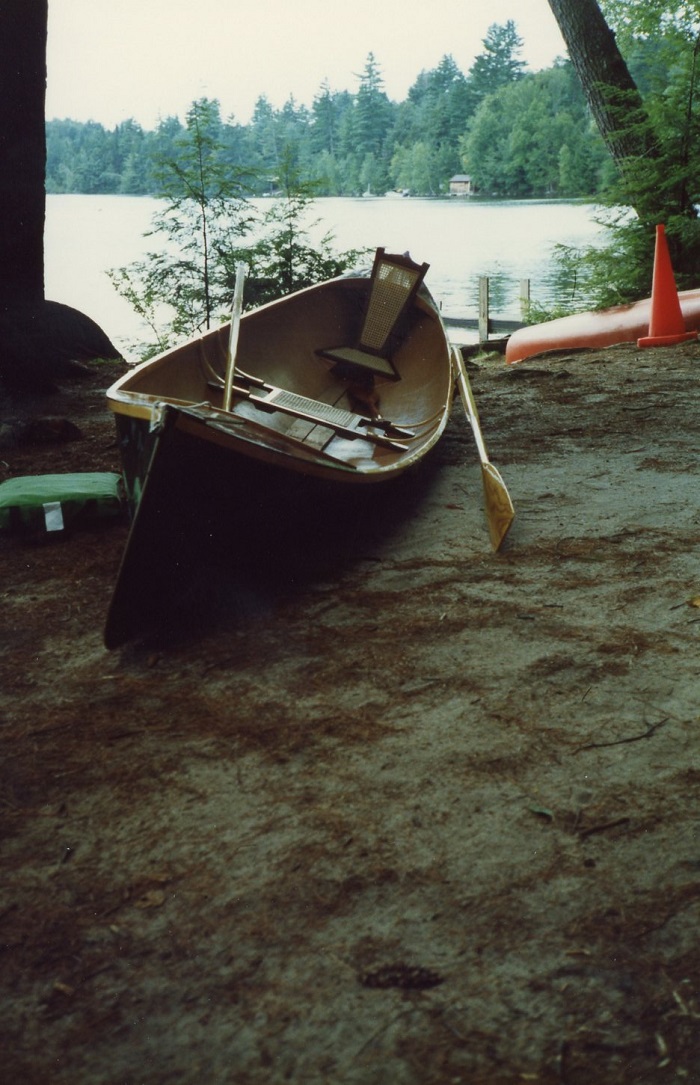 The hull and fitting design were taken off of the lines of a particular boat “Ghost”, built by H.D Grant. The original boat is now in the collection of the Adirondack Museum, renamed the
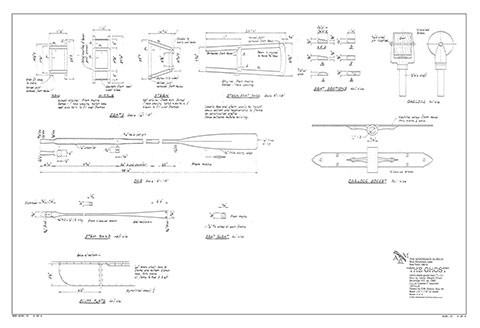
 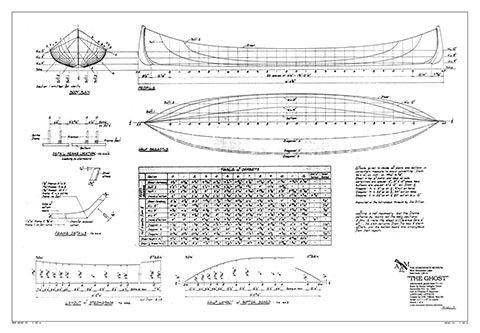 The plans even specify details down to the oarlocks which I was able to purchase from a foundry that had duplicated the design to be true to the original.
  This design of boats has been remarkably popular for over 100 years and there are still boats being constructed using the exact same techniques and materials. These boats are very tough to make as the materials are impossibly thin to keep the weight of the boats to a minimum given the need to portage, or hand carry, from one lake to the next.
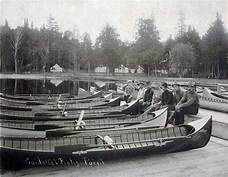
 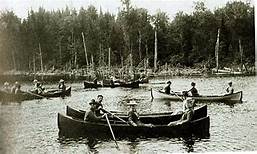 There were many hotels dotting the lakes that featured guideboats for hire, complete with guides.
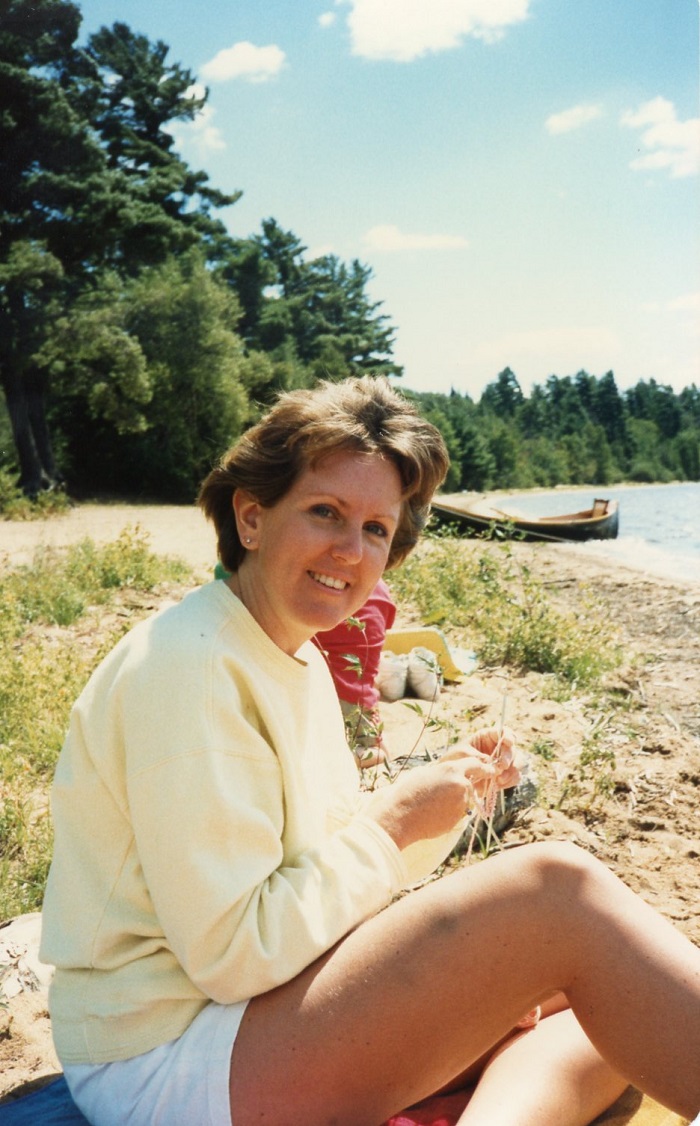
 We had many wonderful times heading out on picnics on the lake and nearby St Regis Lake. Wow, what a dish. Nice boat too.
  St Regis Lake was and is still today, home to many of the “Great Camps” where wealthy city dwellers would spend time “rusticating” in somewhat less than rustic conditions.
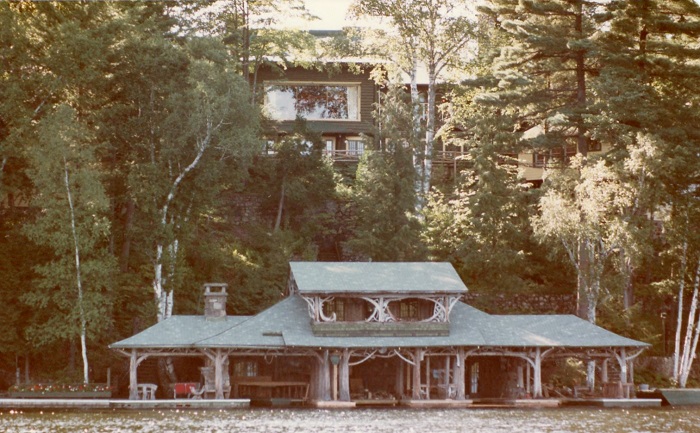
 While there was eventually there was a service road to the estate, during Post’s ownership all materials and visitors arrived by water, landing at this magnificent boathouse. The largest building for the estate, above the boathouse, featured what was, at the time, the largest piece of plate glass in the area, offering a beautiful view of the lake.
  Following her death in 1973, she willed the compound to NY State that used it as a retreat for a number of years. During that period it was open to the public so Brenda and I visited. The state eventually sold the property to the flamboyant Roger Jakubowski, who had made millions selling hotdogs in the NY City area.
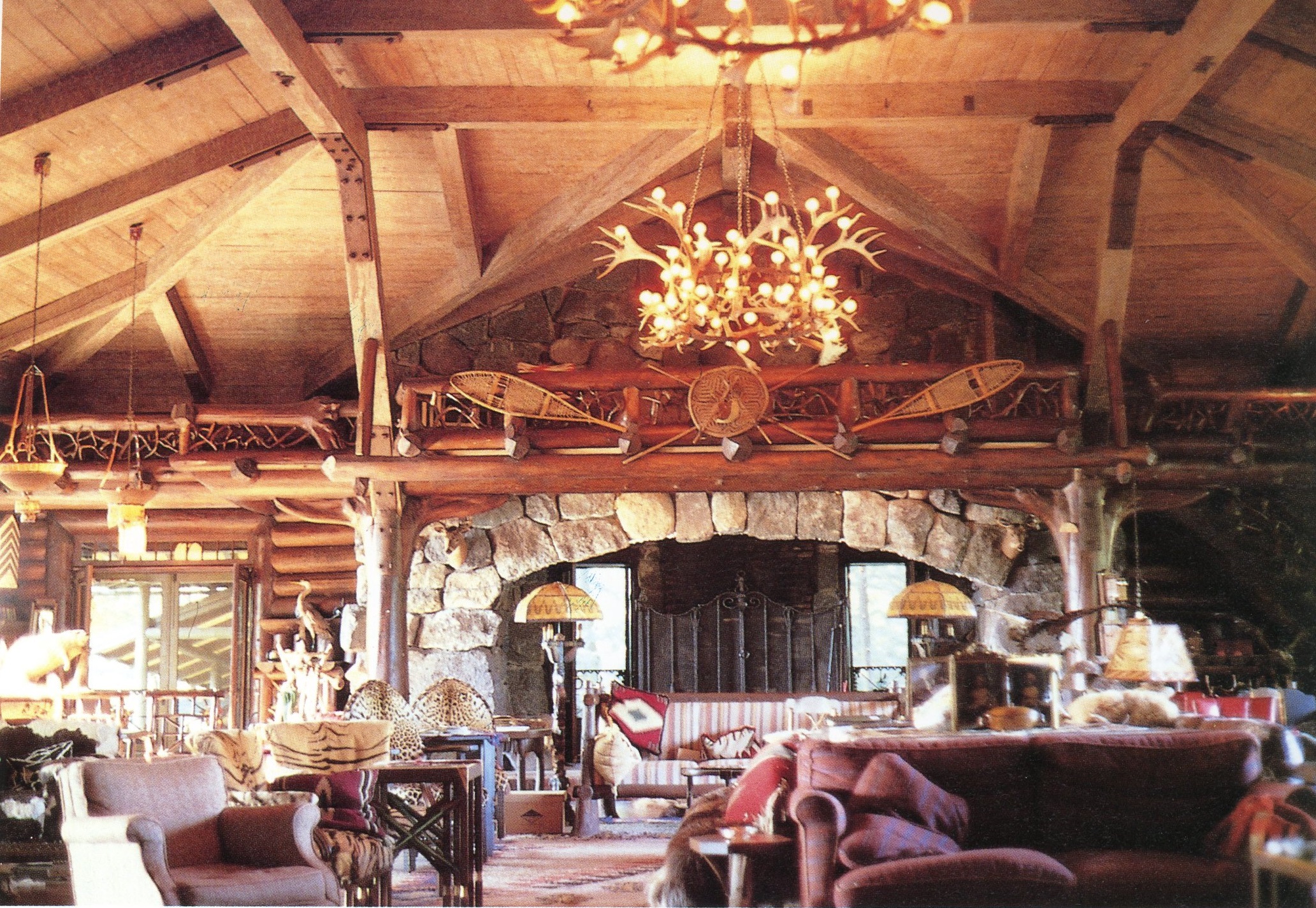 Anyway, the estate is now owned by Hartlan Crow, a developer from Texas, who has substantially restored the camp.
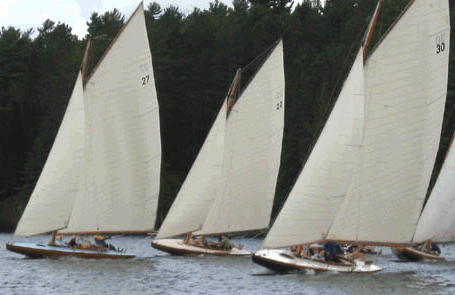
 Here’s a shot of them racing in 1900.
  Those same boats racing 100 years later.
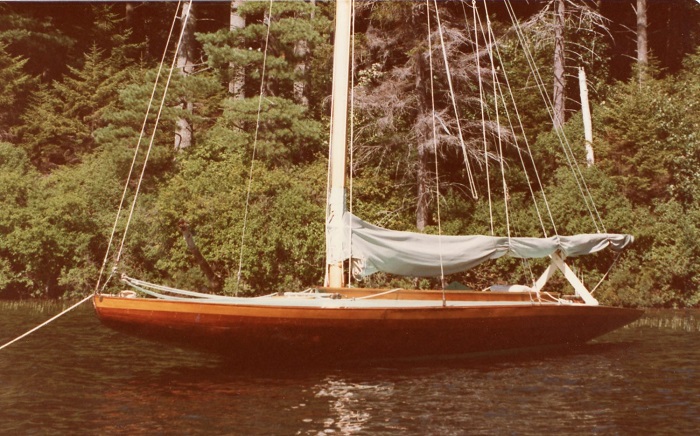
  This is one we saw when Brenda and I visited the lake in our guideboat.
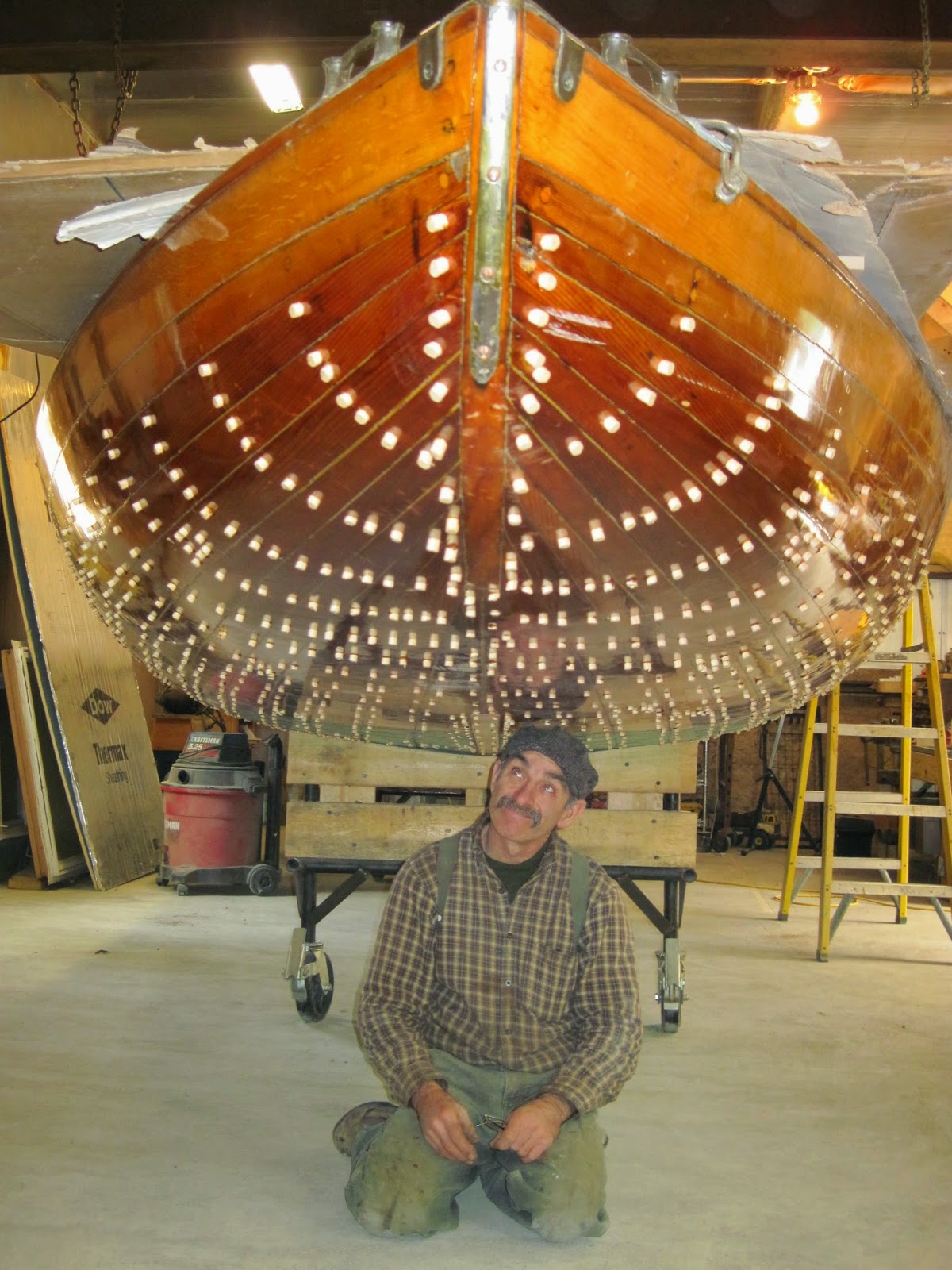
  One of the original dozen that were built is now on display in the Adirondack Museum with all of the others lovingly maintained and still kept on the lake. In 2004 a new boat was built to the class so that now, once again, there are a dozen boats on the lake that race together.
 When Post married for the second time, it was to E.F. Hutton and subsequently she and Hutton were the owners of
 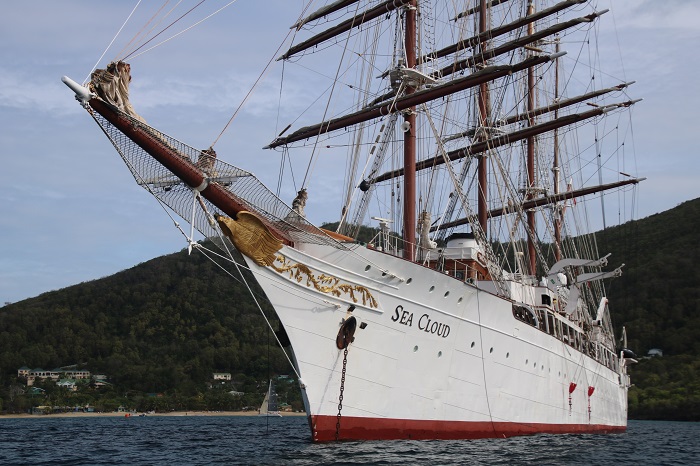 Post was also the builder and first owner of Mar-a-Lago, now owned by our current president, Trump, if somehow you missed his tweet reminding you.
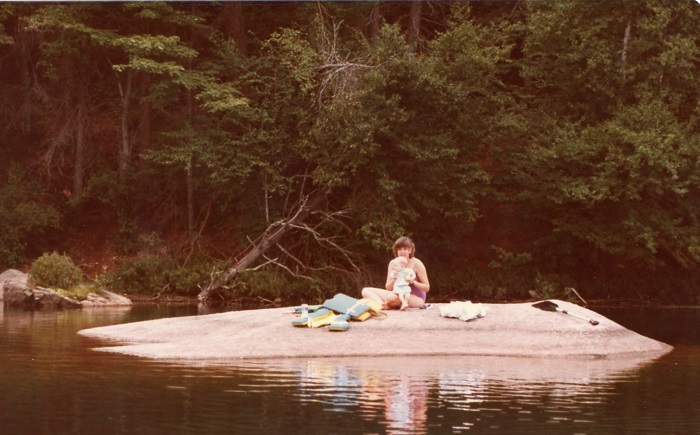 Anyway, visiting Lake Clear was a big part of my early years as well as when Brenda and I were newly married. We spent many hours around the proverbial campfire at the Lathrop’s cabin nearby, first with just Rob and then Chris too.
 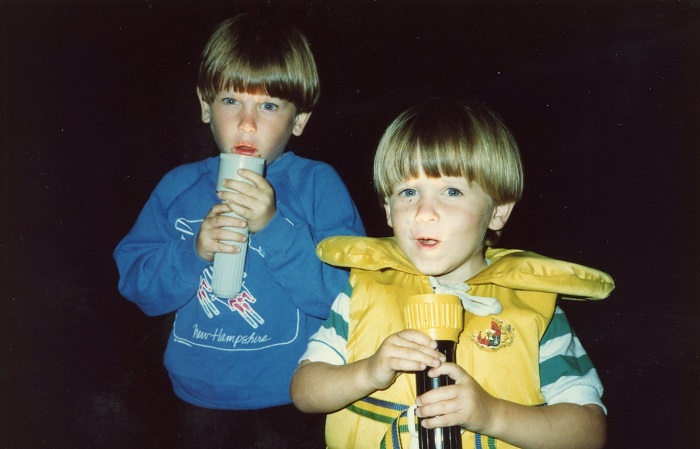 The four of us went on outings in the Guideboat.
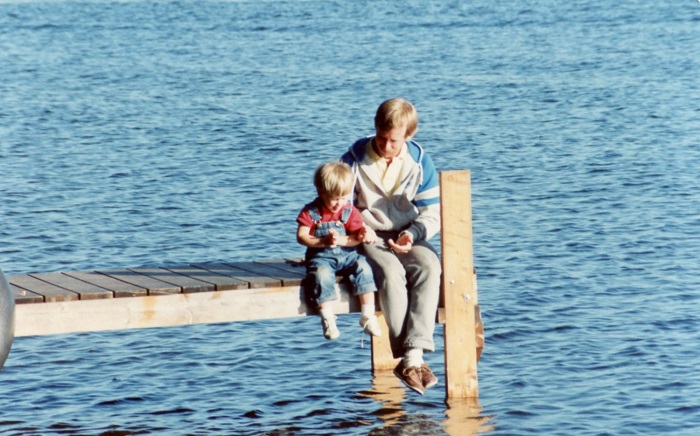
 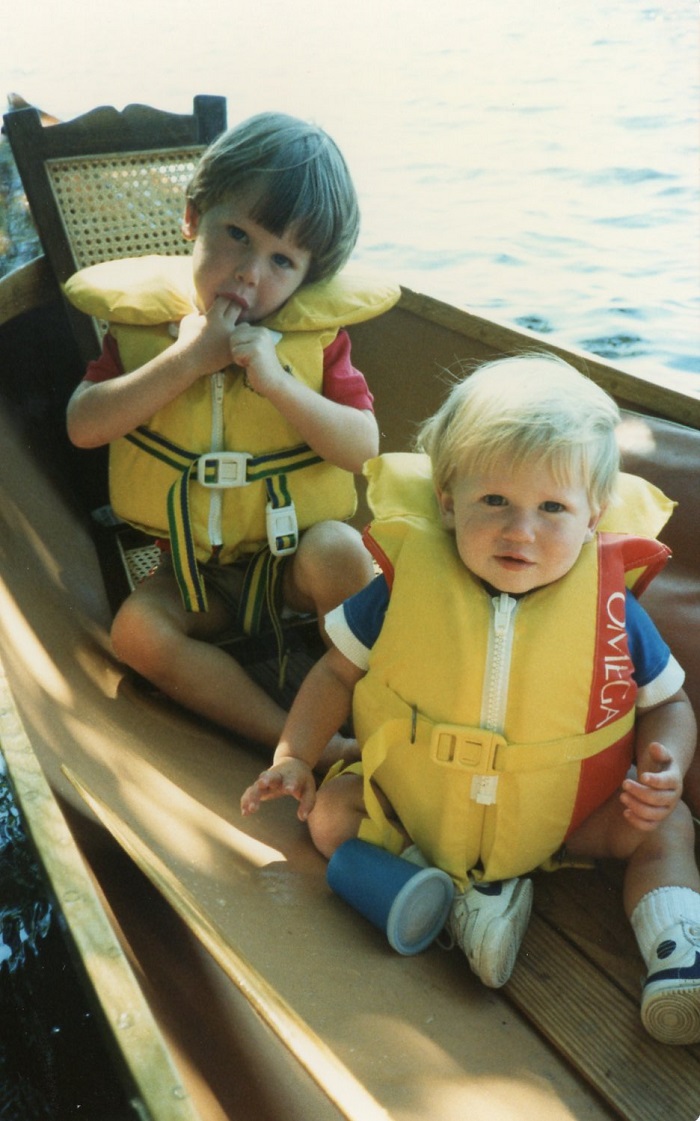 And sat on the dock.
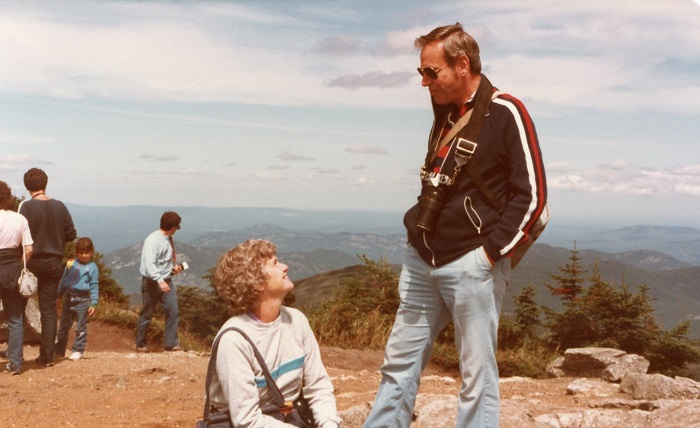
  In our early years together, we rented a cabin with my parents. This is them on the top of Whiteface mountain. My mom is now nearly 90 and my dad’s been gone for about 5 years. He was a great guy and I think about him every day and still miss him terribly. Personally, I think he should have been given more time for “good behavior”.
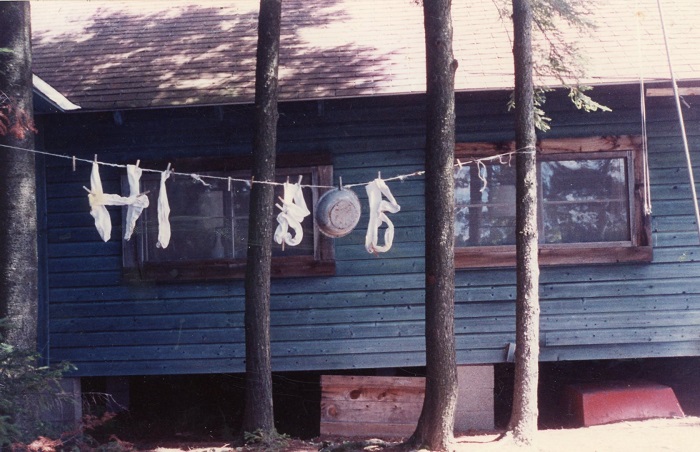
  Not sure what this was all about but there were lots of shenanigans while the Osborn clan was visiting.
 These days I am still very much a boat lover and spend as much time afloat as I can but then you already know that. Today we spend more of our time on salt water with the sweet kind which is limited to our time on the CT River near our home.