It’s been very windy for the last few days with gusts in the 40s, conditions that are not uncommon during January when the Caribbean are in the clutches of the “Christmas Winds”. However, unlike the Bahamas that suffer from clocking winds when a cold front comes through, the winds here are reliably from the east so there is no need to move from place to place as the weather changes. And, again, unlike the Bahamas, when a cold front pushes south and brings very strong winds to the Bahamas, here it causes the trade winds to relax, something that we hope to see in a few days. And, as Wednesday is Brenda’s birthday, a little less wind will be welcomed by the birthday girl.
My friend Bill on Kalunamoo contacted me yesterday to see if we’d be interested in moving south with them next week when the winds subside a bit. However, that’s not in the cards for us, just yet.
And that’s because, in addition to holding onto our hats in the wind, I am still messing around with some important repairs, most notably still unresolved compressor issues for our fridge/freezer. Just getting someone out to look at the unit has proven to be difficult and at last estimate, it could take as long as another month to resolve the problem which makes the delay in moving due to the high winds, pale by comparison with repair issues. For now, we have to watch our battery level like a hawk as the compressor really labors and chokes if the voltage isn’t up to snuff, at 90% or better of full charge which means that in spite of abundant sunshine, I am still running our Honda generator every day which I am sure brings joy to our neighbors in the anchorage.
The refrigeration guys told me that once we order a new unit, and that won’t happen until I meet with them early this coming week, it might be three weeks until the unit is even shipped from the US. There are some options that I hope can speed this up but it’s going to be at least two weeks, I’d guess until things are resolved and we are free to move away from here.
The watermaker is happily now mostly mended and I can at least operate it in manual mode as the “computer” that normally controls the unit doesn’t work. Unfortunately, the fix that would surely solve the problem will cost at least one boat dollar, a bit rich for my blood at the moment with the pending fridge repair so, for now, I am content to open a few valves, toggle some switches and make water the “old fashioned way”. Old fashioned or not, I am still in awe that our prized watermaker can magically turn salt water into fresh at the “push of a button” or now, at the push of several buttons, throwing of valves and switches.
However, there may be help to bring us back to the “one click” machine option as the watermaker guy still has some ideas for a simpler fix for less than a boat dollar. I’ll know more about that soon, I hope.
And, now for something completely different. I decided to try some of the fruits that are common here like star and passion fruits, types that aren’t readily available in the US but are grown here in abundance. Star fruit is supposed to taste a lot like apple, which is true, but the one I tasted left me unimpressed.
Another fruit that I decided to try was passion fruit. It looks like a smallish overripe apple, sort of dried out and spotty brown. Inside the pulpy rind is a filling of soft stuff with black seeds that look to me more like frog eggs than anything else. The seeds and soft fruit are a bit sour and I was told to mix it with yogurt, which I did. They tasted much better than this sounds. The bad news, I now know, is that they have what might be called, to put it delicately, a “lubricating effect” and my stomach etc have been in full revolt for two days now. Not fun and I guess that I am sort of sworn off on trying unfamiliar tropical fruit for the time being.
However, prior to the recent effects of the passion fruit taking full control, Brenda and I took part, along with some other cruisers, in a tour, put on by the Parks Department, of some of the old ruins along a ridge on the bluff above the dockyard, where many British troops were housed when Nelson’s Dockyard was in operation.
Our docent, Dr Murphy, is very knowledgeable about the history of the island and as a trained archaeologist, was able to make history come alive for us. He spoke of the life led by those in the British navy when they were stationed here. Based on what he said, that life was brutish and short, with a fatality rate upwards of 70% per year due to yellow fever, heat stroke and many other illnesses.
It sounded horrible. But, like those of us that were participating in “Rum in the Ruins”, they had rum. And, it seems that rum was about all that they had and they had plenty of rum every day, enough to keep them lubricated enough to take the edge off of their miserable life. I can only imagine what it must have been like to wake up every morning with a raging hangover and have to march in formation with heavy wool uniforms on in the tropical heat. “Please, please, Captain can I have another rum punch.”
Dr. Murphy even dressed the part. It’s hard to imagine living in this hot climate dressed in so many layers. Note the rum punch, issued to us all to “get in the mood” as it were. I have heard him speak in the past and he was as entertaining as I remembered. 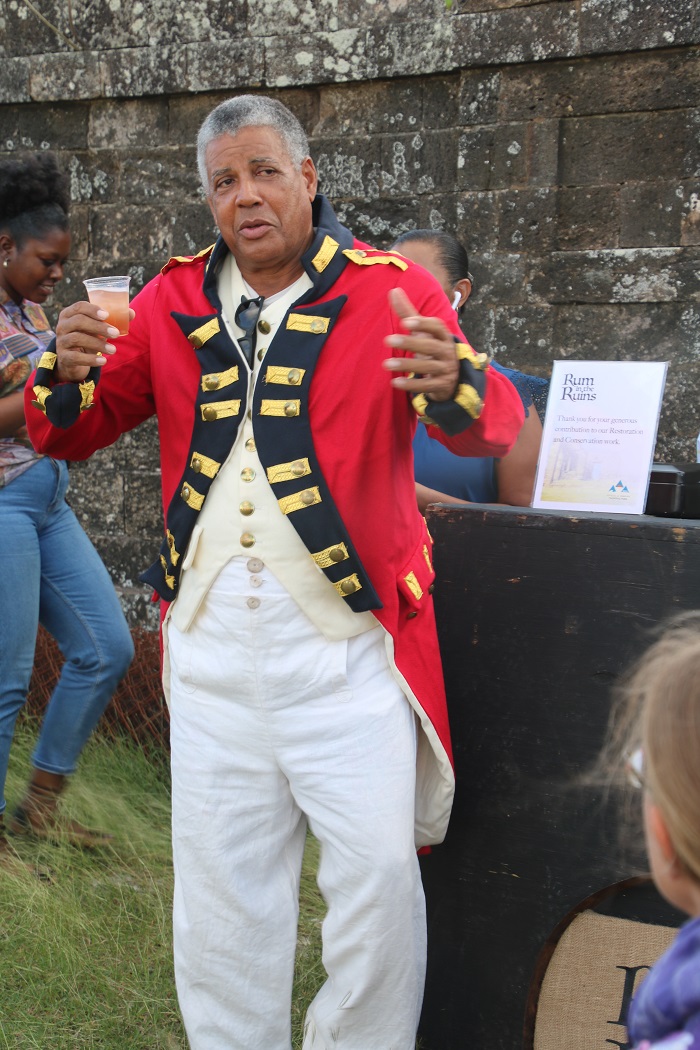 High up on the ridge, overlooking the dockyard, the strong winds were really whipping. Seeing the tall grass swaying in the breeze was beautiful.
 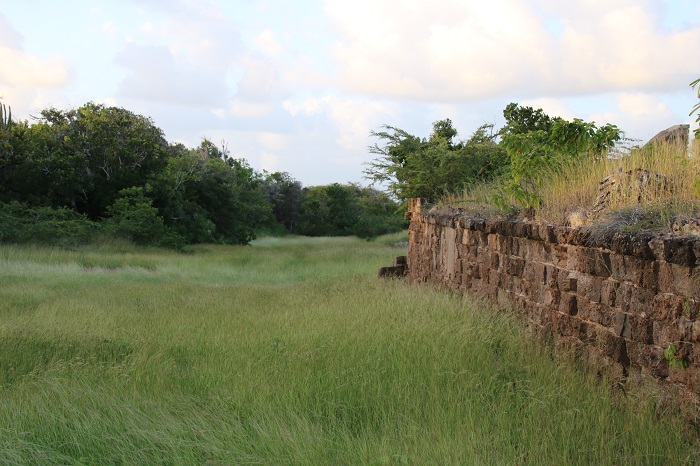 He talked about the history of some of the building, each with their own story.
 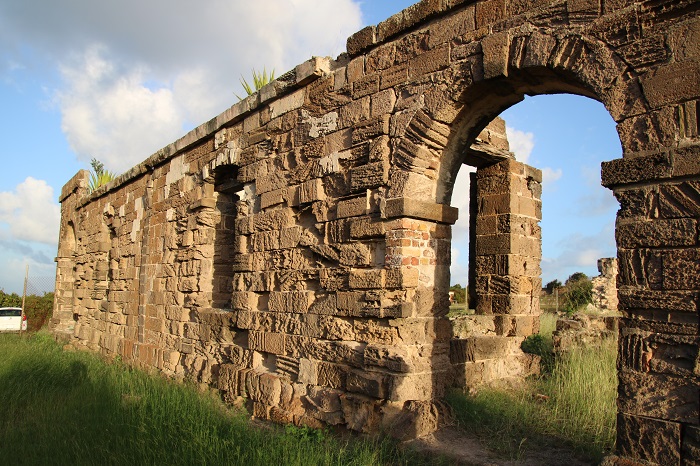 His description of the ruins and life in that era gave us a good feel for what life must have been like here so many years ago.
 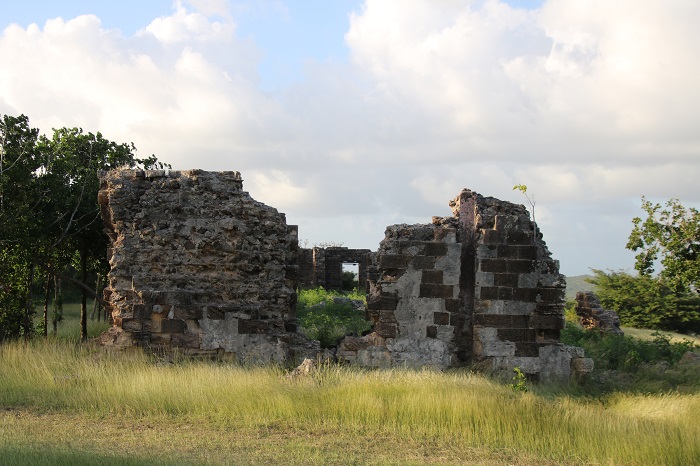 I’ve mentioned this in a past post, but from the bluff, you could see Eric Clapton’s compound way down below.
 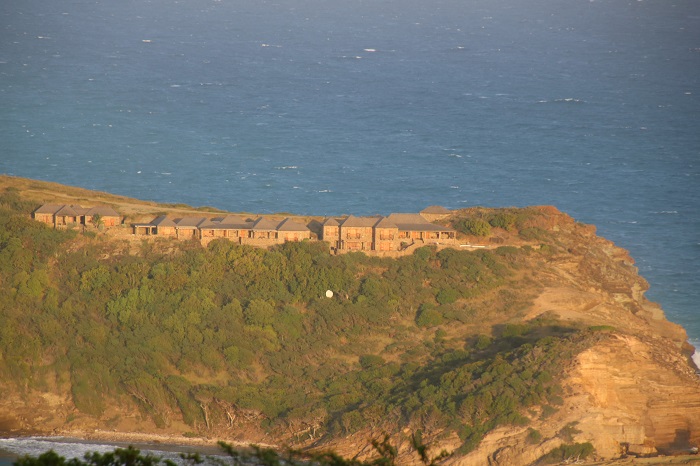 After the tour, just as it was getting dark, our group headed back to town. Interestingly, here in the Caribbean, dusk is very short and sunset to pitch dark is quick, perhaps about 30 minutes. Not a lot of twilight in these parts.
In the growing twilight, we went for a walk on the docks to see the mega yachts. Now that the holiday parties in nearby St Barths are over, the marinas are nearly full, with one yacht more spectacular than the next. It’s interesting to see the dozens of crew that work on these huge boats as they head out for an evening of bar hopping. It’s easy to guess who is crew as they are all very young and very fit. I guess that only “beautiful people” need apply.
One of the first we passed on the dock is the 300′ Phoenix. She sports a huge sculpture of her namesake on her bow. Check this link to see some remarkable photos of her. Note that the wood expanse under the stairs isn’t the dock, it’s her sun-deck.
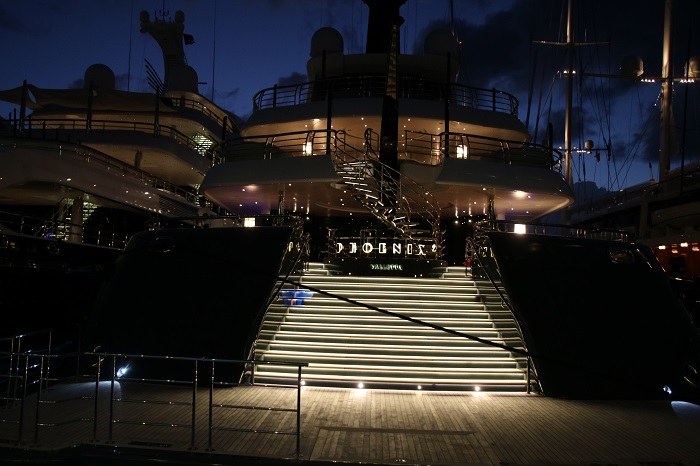 Phoenix 2 was launched for Jan Kulczyk in 2010, then the richest guy in Poland, for a reported $160,000,000. Unfortunately, under the category of “you can’t take it with you”, Jan died in 2015 at the tender age of 65. It was reported that he died of complications of surgery. I believe that Phoenix is now for the use of his family.
Seeing a lineup of these yachts in the twilight is something to behold. Hard to believe that one person can amass enough wealth to afford one of these. Imagine paying for such a yacht along with a full time staff of some 30 crew.
And, some yachts are so big and have to move around so much stuff and so many toys, that the owners purchase another “shadow yacht” to follow the “mother yacht” around from place to place. The yacht on the left in this photo is such a vessel, aptly named Garcon as in “Garcon, please fetch my (whatever)”, submarine, sailboat, tender, toys, chopper, whatever. And speaking of chopper, note the one secured to her upper deck. Obviously it just wouldn’t be right to clutter up your yacht with an ugly chopper. 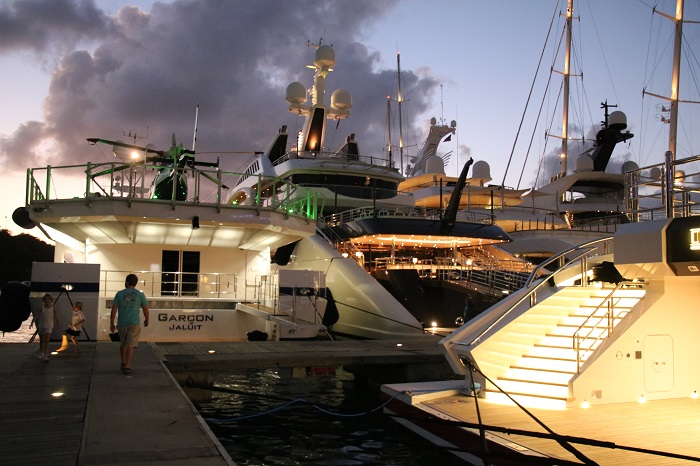 This recent addition to the relentless need to “keep up with the Joneses” world of the uber-rich has only happened in the last few years but I am sure that you will agree that if you were forced to cram all your stuff into a single yacht it would be quite annoying. “Garson, can you PLEASE get Dimitri’s chopper off of the sundeck? I’d like to work on my tan.”
Besides, with only a single yacht it would have to be so ginormous that you wouldn’t be able to get it into your favorite harbors, so it just makes sense to have two. To keep the cost down, your floating “garage” could have much more spartan conditions than the real yacht. And, you could hire a cook instead of a chef, to feed the crew, which would be a big savings as well, right?
So that’s why everyone knows that it’s just plain less expensive to have a yacht and a shadow ship, than to have a single yacht that can handle all your stuff. Check out this site that describes the “why” and see if you agree.
And speaking of mother yachts, I wrote about EOS, owned by Barry Diller and his wife Diane Von Ferstenburg in my last post. Up close, on the right, she definitely looks the part of luxury. 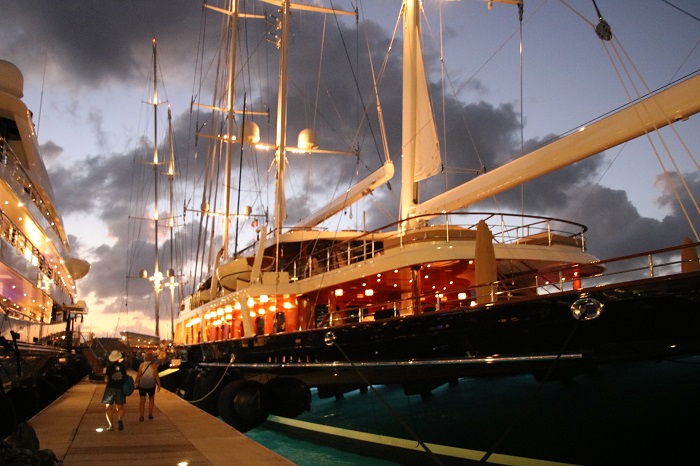 Across the dock is Phoenix which is so much larger in displacement in spite of being about the same length.
 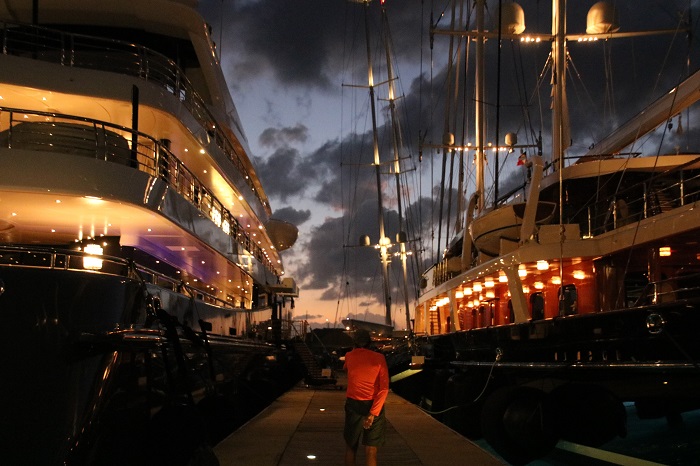 Everywhere you look, something more expensive looking than you’d expect. How about these boarding ladders and most with a intercom to announce yourself. “Can I trouble you for a bit of Grey Poupon?” “No, go away!”
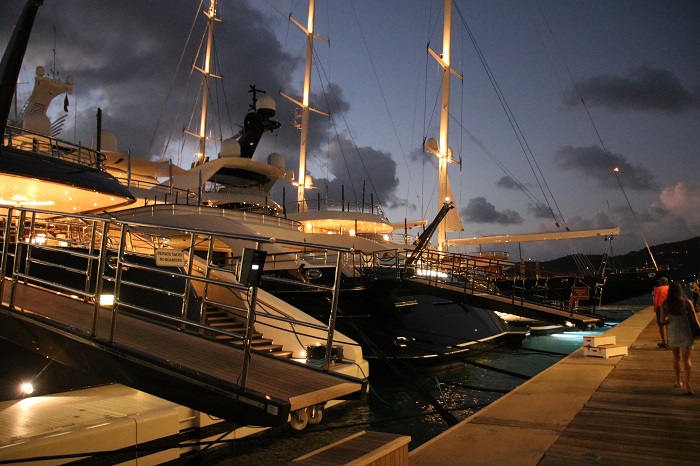 I guess that’s it for now and as I continue to recover from my ill advised sampling out of the local fruits, I expect that the crew and owners on these huge yachts of wealth know better.
Besides, like those miserable British navy guys, no matter how miserable you get, a Tot of rum will make things seem right.
Yes, life here was once brutish and short but now…not so much, especially for those fortunate enough to have a mega-yacht or better yet, a second one to fit all their stuff.
Don’t forget, Brenda’s birthday is coming up soon. January 15th. Just sayin…



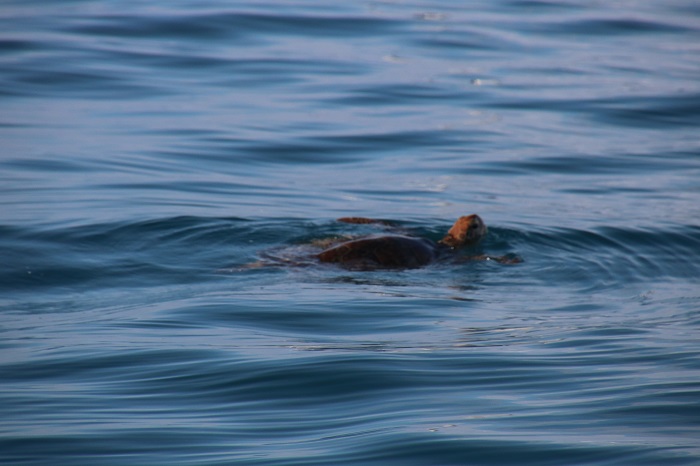 There is a bit of a swell coming into the harbor so we had a somewhat rolly night but the sun is out and it’s a beautiful day.
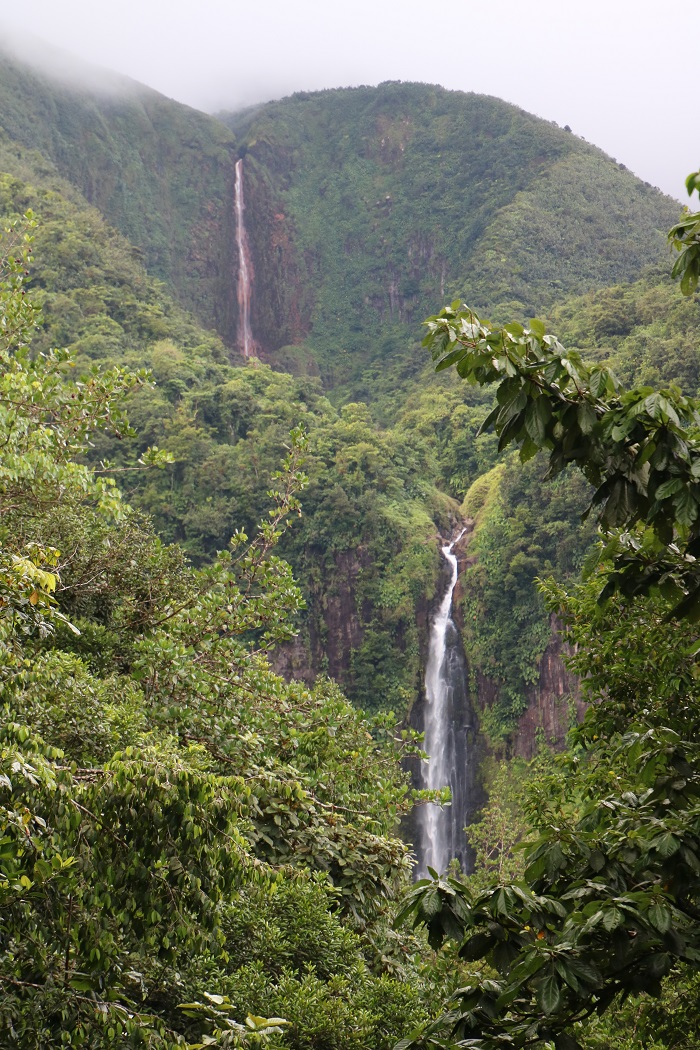
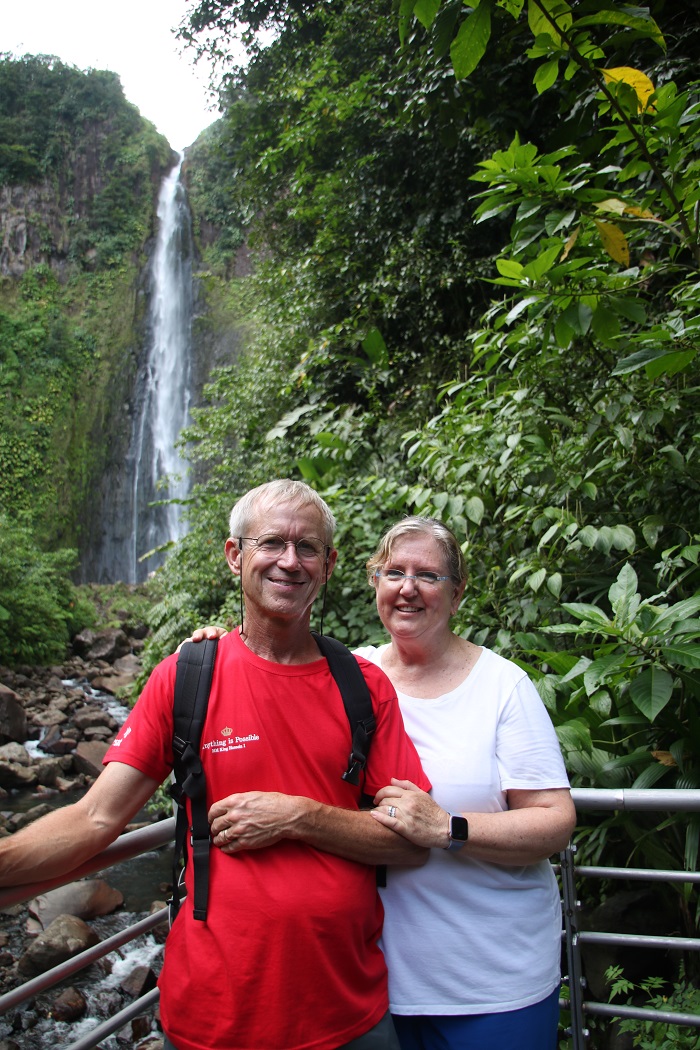
 Yesterday Brenda and I rented a car with some new cruising friends and toured the island of Guadeloupe. We had lunch in an excellent French restaurant along the way and visited a rum distillery but the highlight of the day was a hike into the rainforest to view Les Chutes de Carbet a spectacular double waterfall with a total combined vertical drop of nearly 600′.
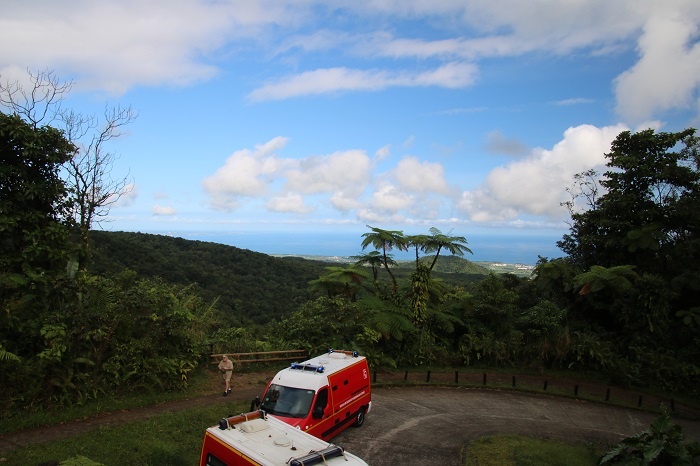 Near the parking area was an overlook to give us an idea of what we were going to see, the spectacular double falls in the distance.
  The path we took was labeled as easy and was very well maintained with pavers and wooden walkways the entire way. However, because of the constant wet from rain and mist, it was still slippery.
 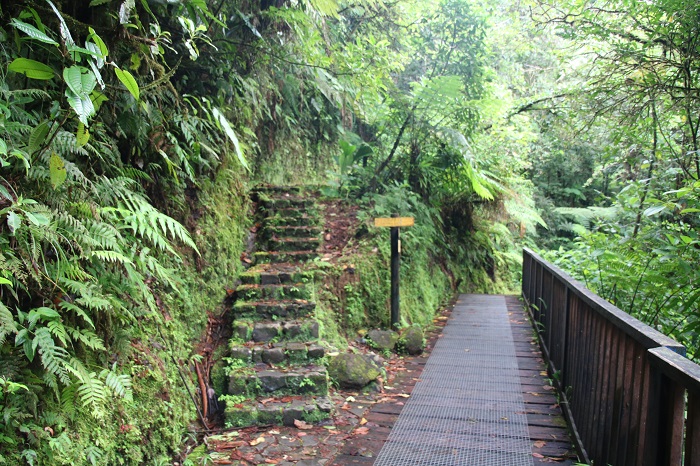 Everywhere you turned, something was growing, from tiny moss and ferns to trees hundreds of feet tall.
 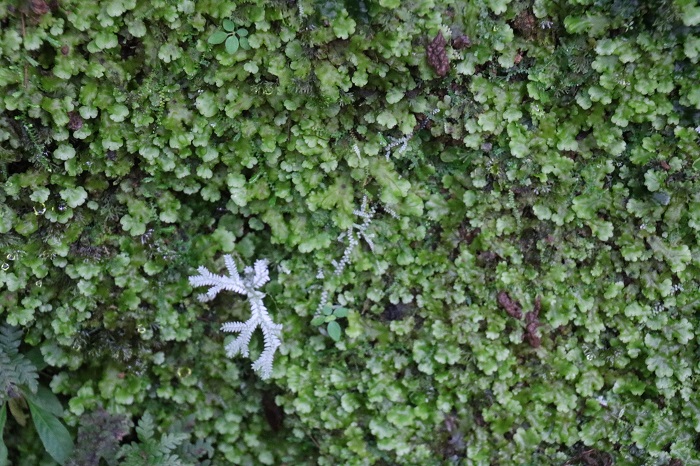 It seemed like every branch had something growing on it.
 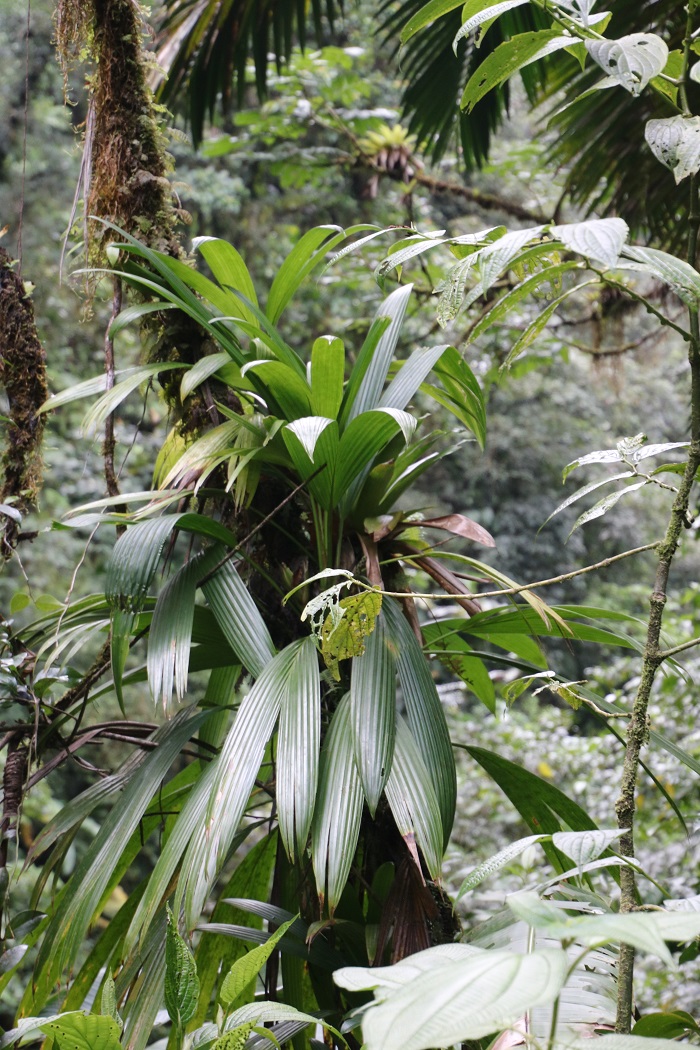 Some of the ferns were 40′ tall with fronds that stretched 8′.
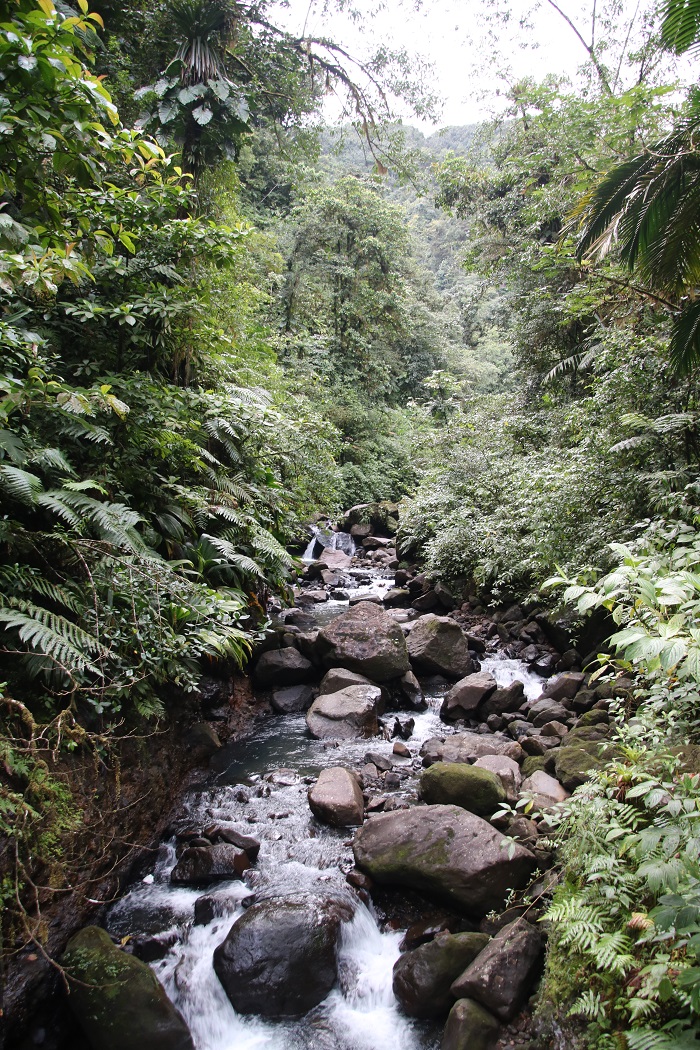
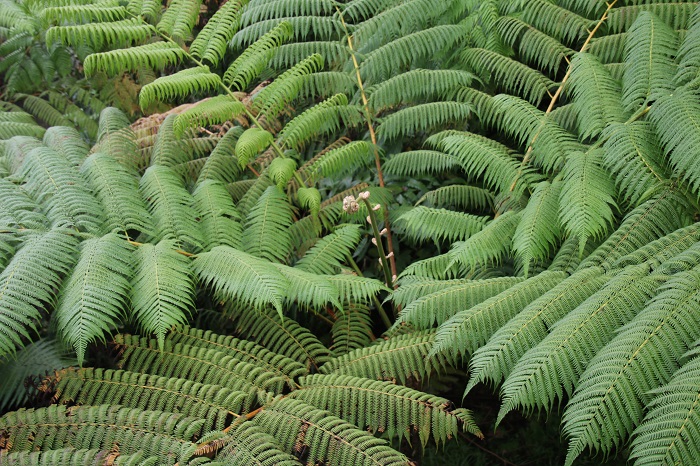 The path followed the stream up to the falls.
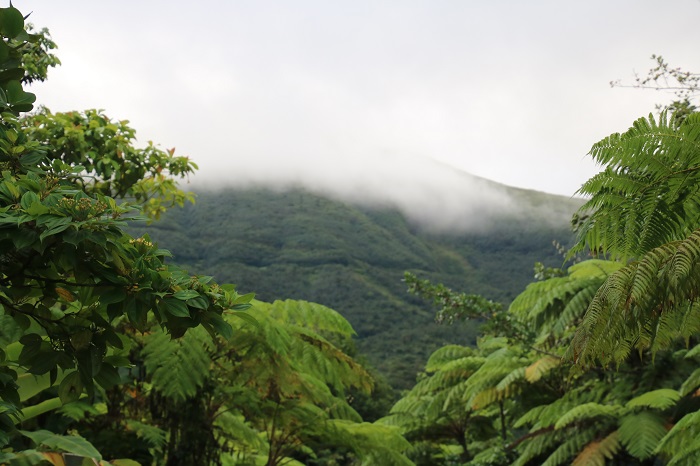
  The top of the mountain, some 4,000′ tall, was shrouded in clouds and mist.
  After walking up and down, down and up, we arrived at the overlook with the water crashing down from the lower falls in the distance. What a view.
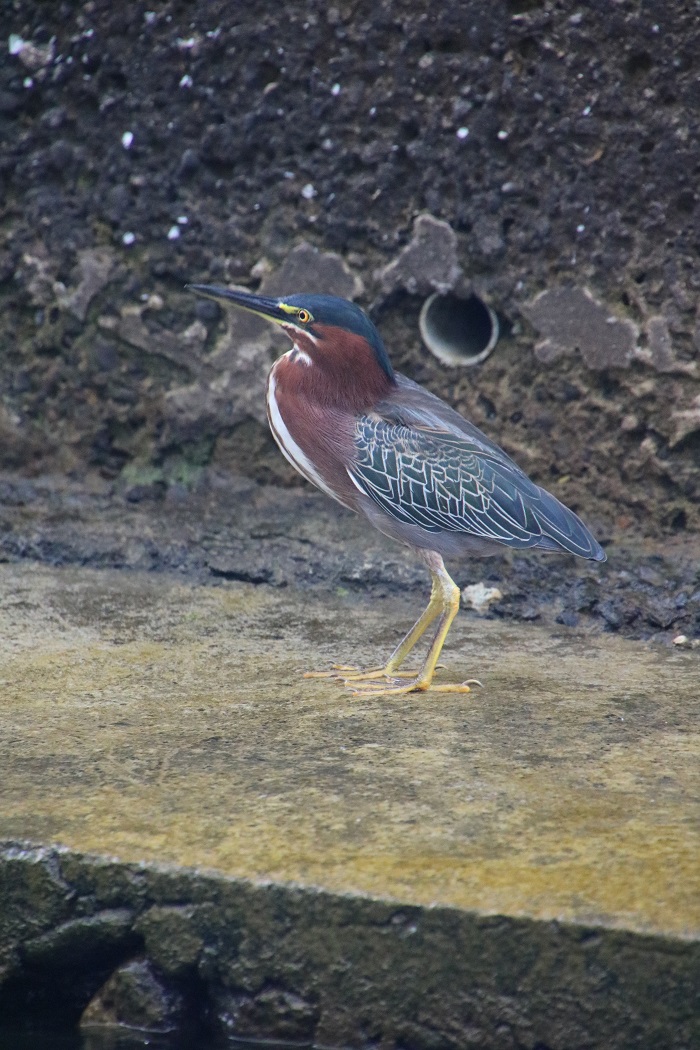
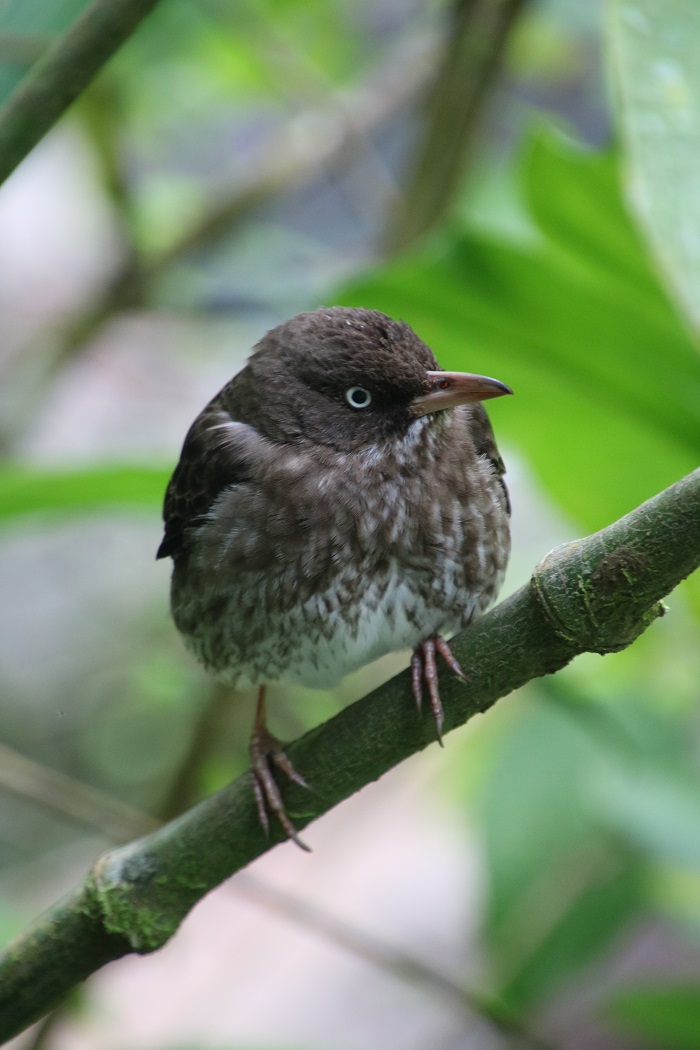
 There was a little bird looking at us, perhaps hoping for a handout.
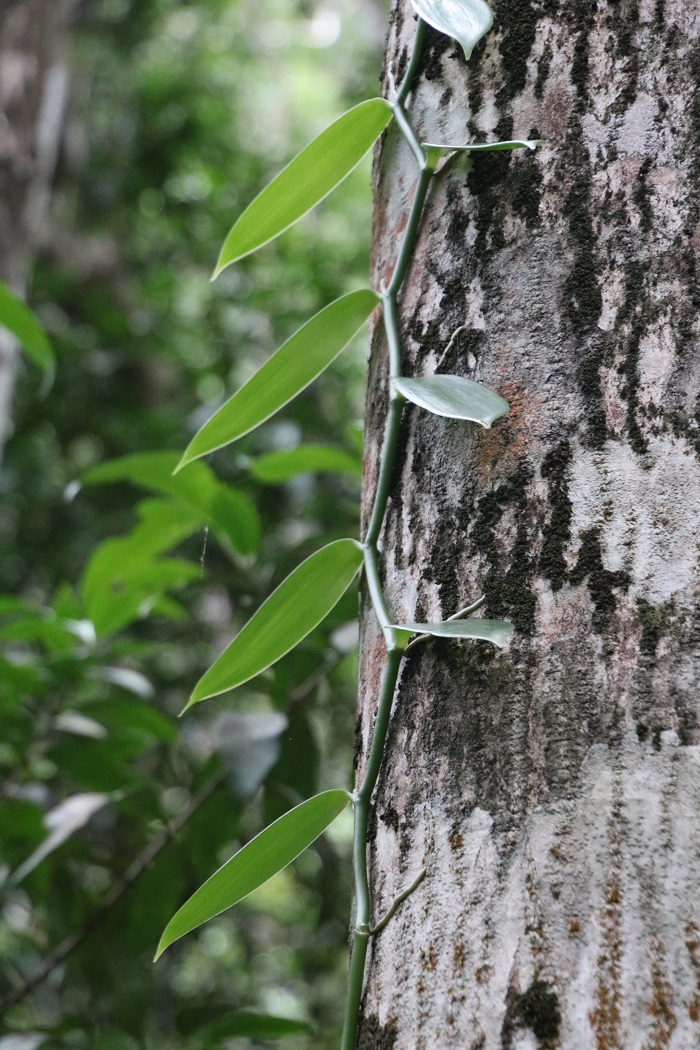
  I am always on the lookout for orchids and didn’t see any. That’s not unusual as they generally grow high up in the forest canopy, hundreds of feet up where the light is bright but hard to see from the forest floor.
 The island mountains are so steep and there is only a single road that runs around the perimeter of the island, with what seems like hundreds of switchbacks and winding curves that follow the coastline. Driving these roads can get tiring after a while as it’s more like a slalom course where going more than 30 kph is tough.
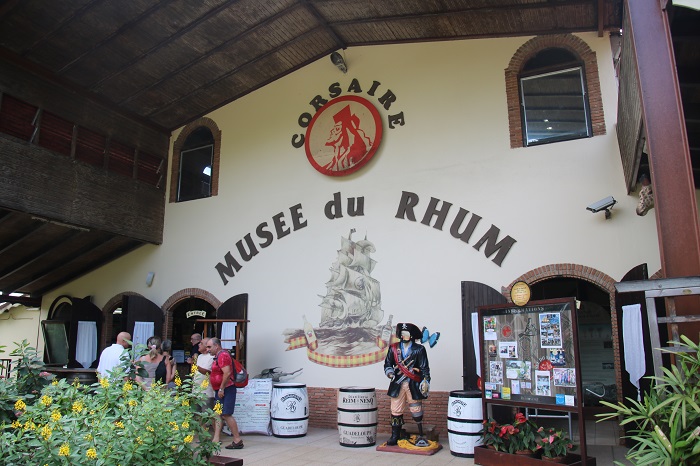 A charming building.
 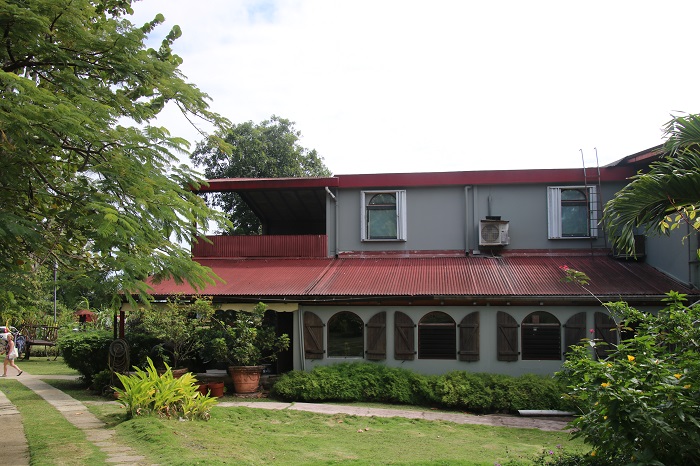 Including a mix of new and old.
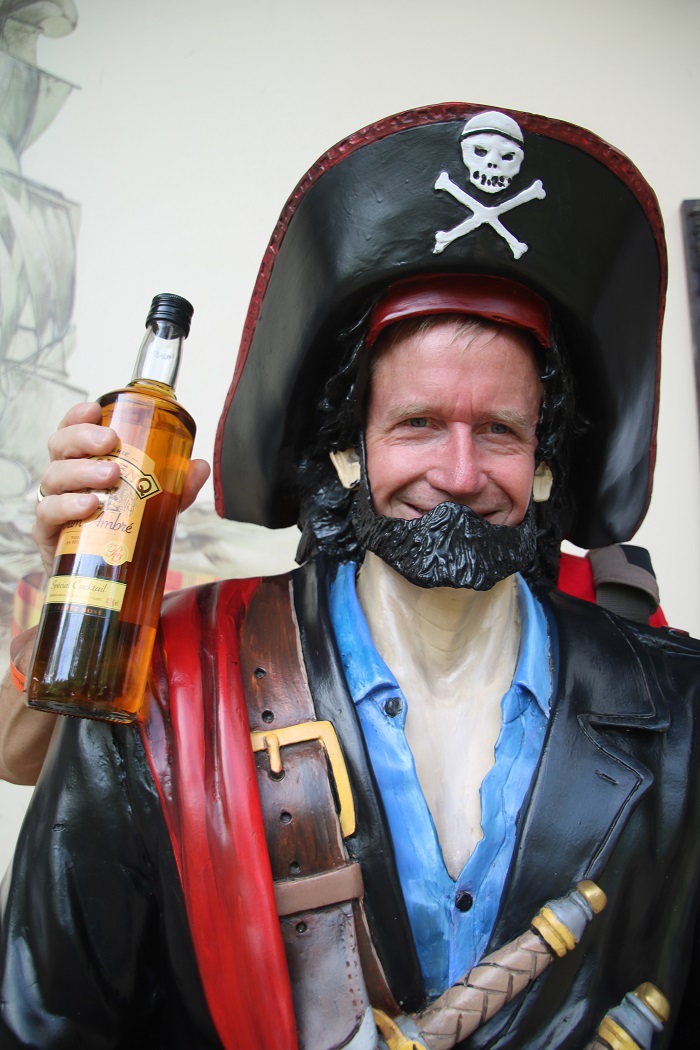
 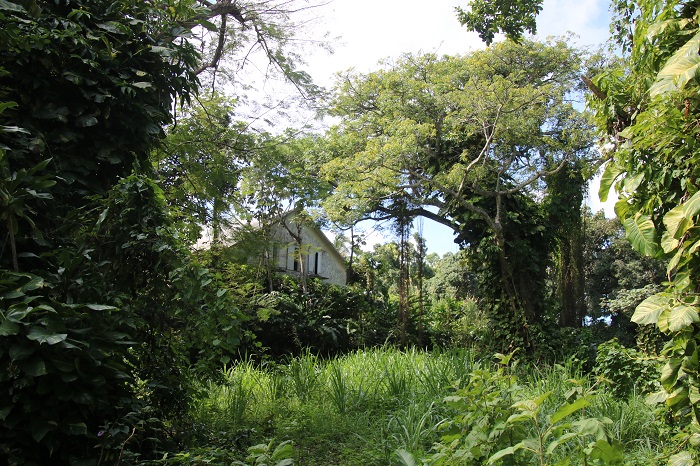 I swear that I only had a tiny taste.
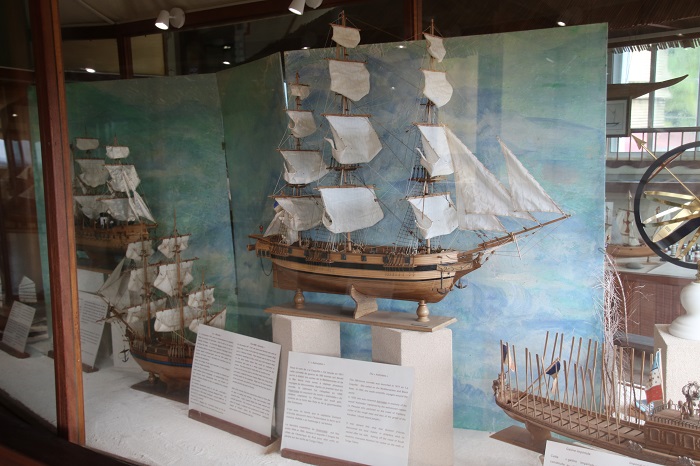
 As a museum, they had a very eclectic mix of stuff in their collection. A number of ship models including such unrelated designs as a Mississippi steamer, Christoper Columbus’s ships and, well, an odd mix.
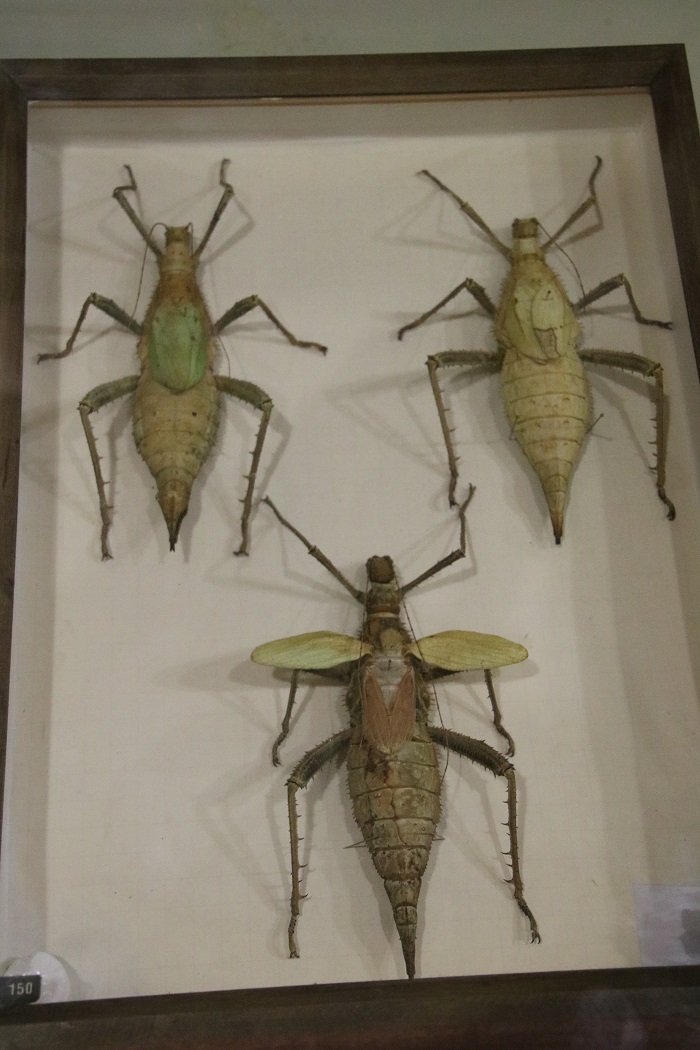
  Along with some life size dinosaur models, both outside and in, they had a huge collection of bugs in frames.
 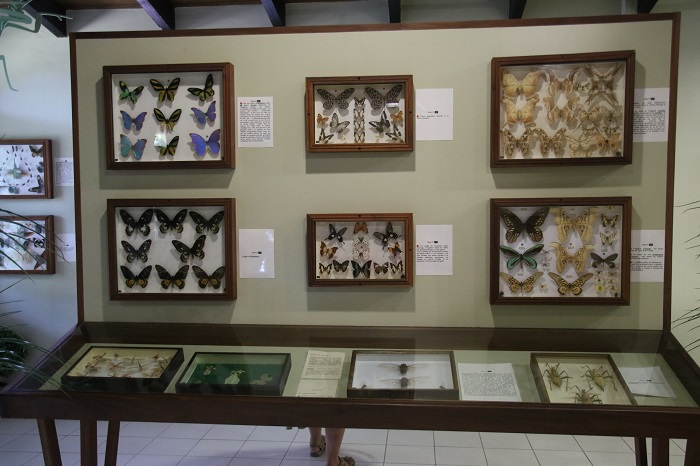 Tiny ones all lined up behind glass.
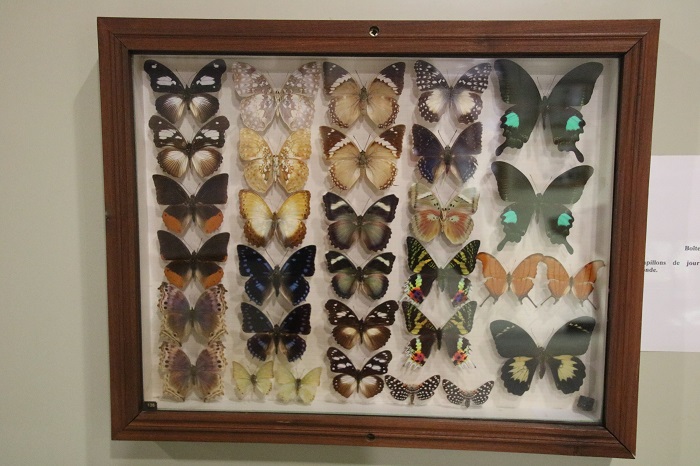
  Butterflies of all kinds.
  And lots that I’d hate running into at night.
 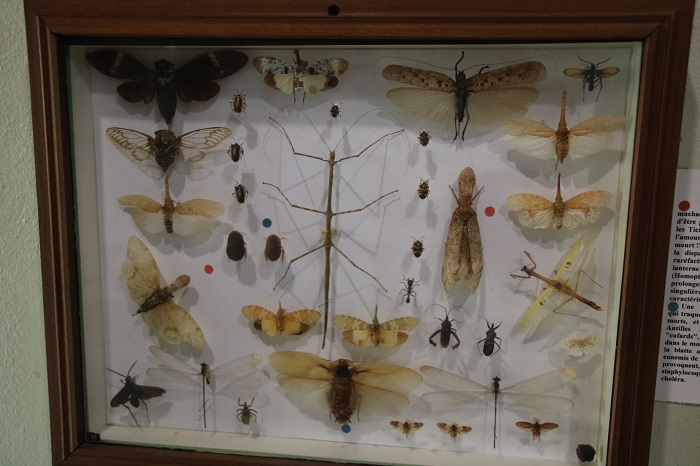 Some bigger than you’d want to imagine, about 12″ long. To make matters worse, they are the sort that flies, I expect.
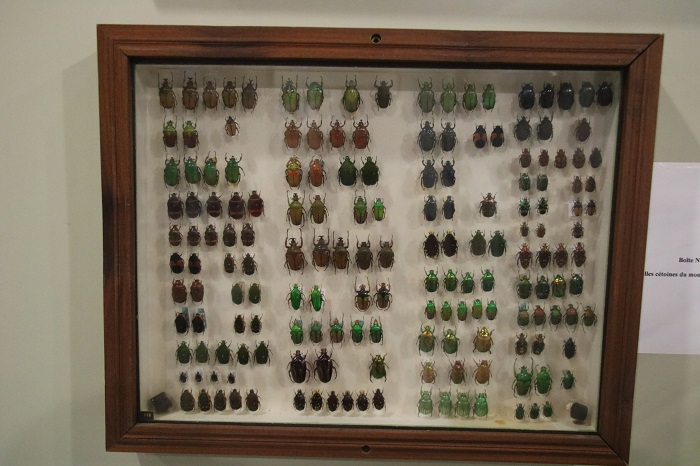
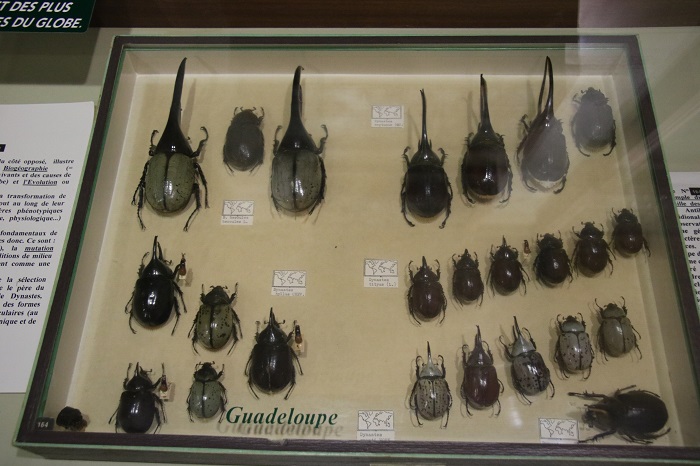
  Of course, everyone’s favorites, horned beetles.
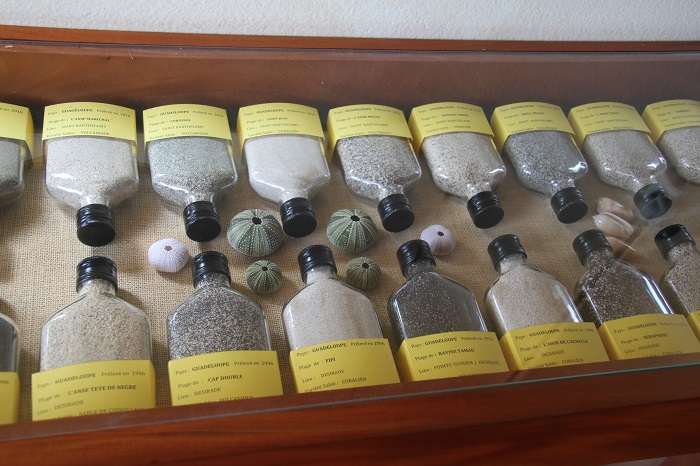
  Ask yourself, what museum is complete without a collection of sand, all carefully labeled?
 After the tour of the collection, all I could think of was someone saying “what in the world are we going to do with Dad’s collections? Have a tag sale? No, wait, let’s open a museum! Any better ideas?”
 And even more beautiful under a full press of sails.
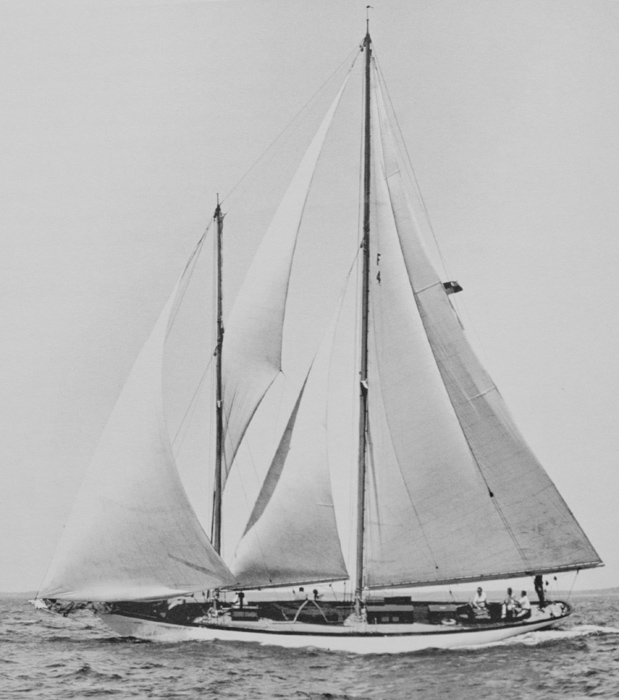 Mary Rose has had a number of owners over the years including Hugh Hefner, who used her as a set for a 1959 issue of Playboy. She was called Gallant at that time.
 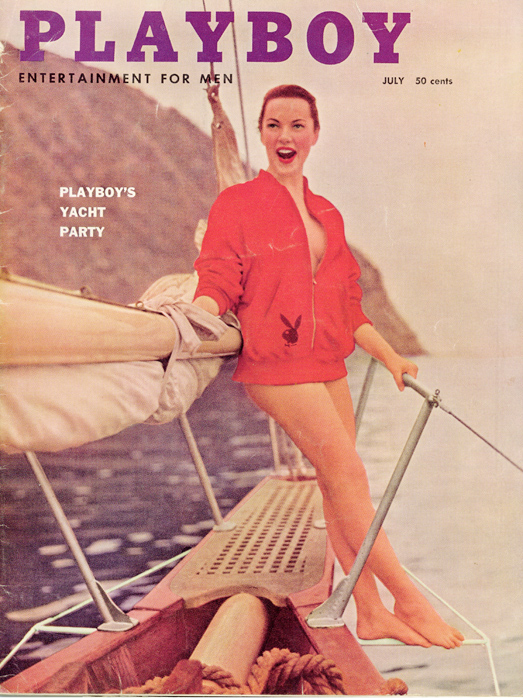 Mary Rose is very likely in way better shape these days than the “bunnies” that spent time aboard her nearly 60 years ago.
 Today she lives a somewhat less exciting life full time in English Harbor, Antigua where I spent time aboard with her owner Gerald. I had been admiring Mary Rose for a number of years as she swung on her mooring off of the Admiral’s Inn and had wondered how I might get aboard for a look.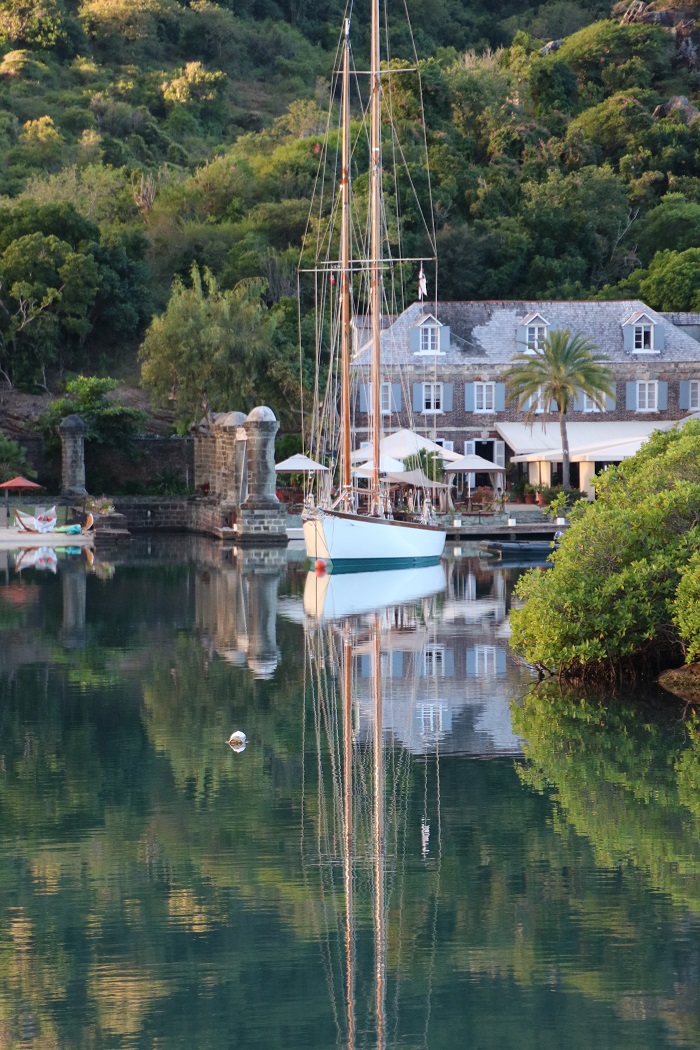
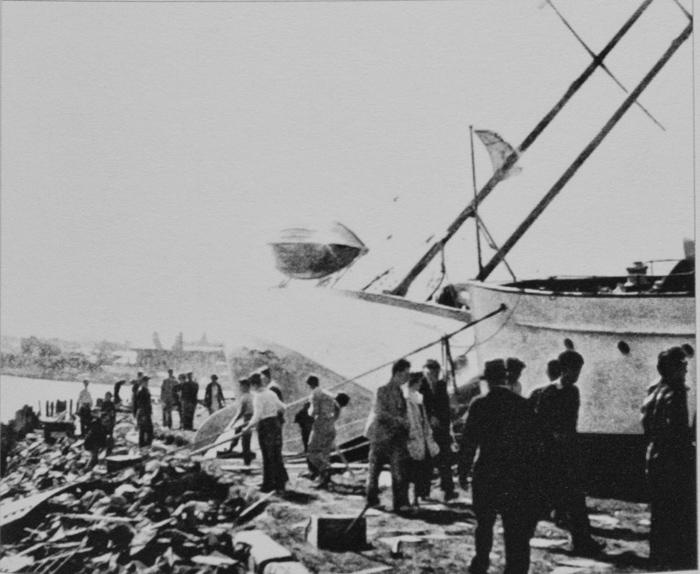
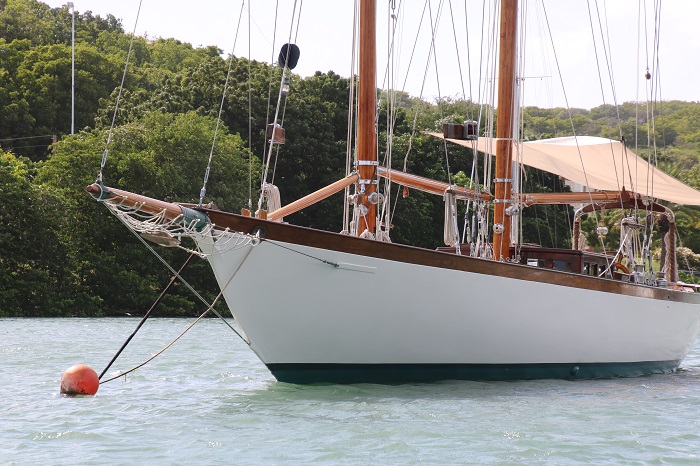 Gerald keeps here in Antigua full time and stores her, during the hurricane season, in what might be best described as concrete bunker designed to withstand hurricane force winds. It is in her cocoon that a long list of off-season chores are done to keep her looking new as she prepares to enter her second century.
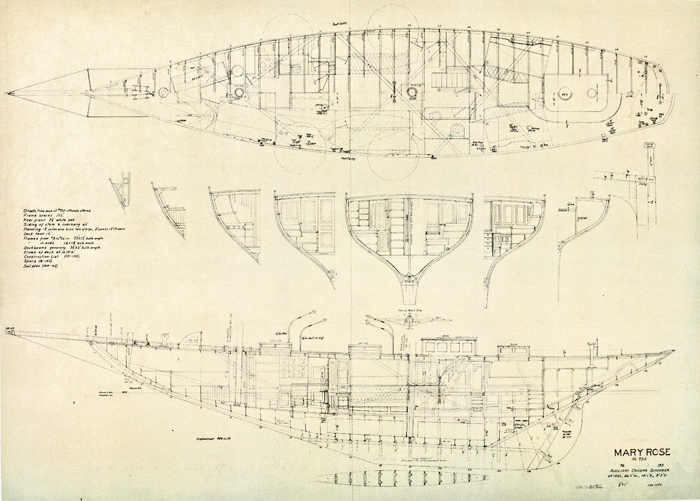
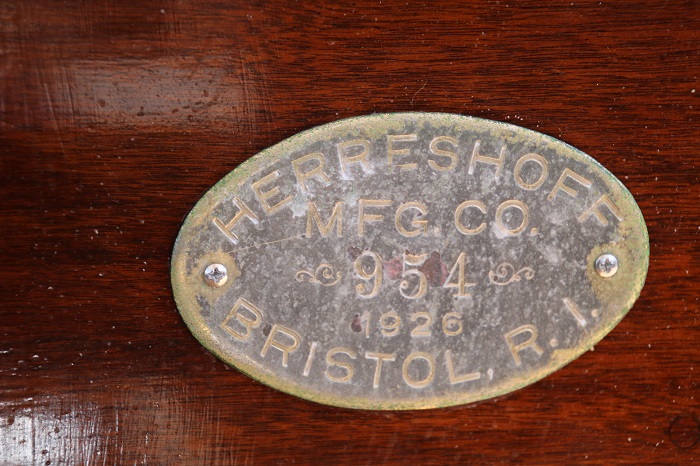
 And the original builders plaque commemorating her as design #954.
 How about these beveled port lights, original of course.
 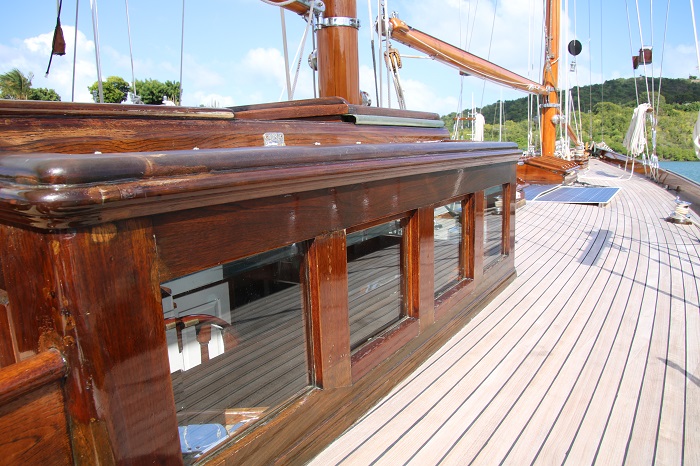 And, as you would expect, beautiful deck hatches, worthy of any proper yacht.
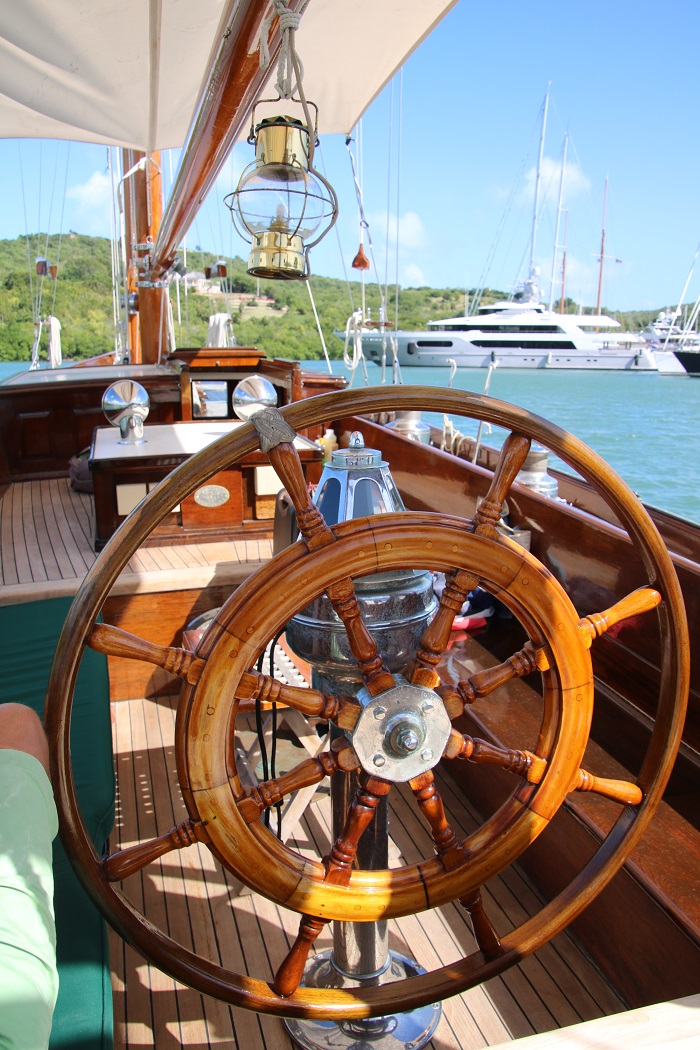
 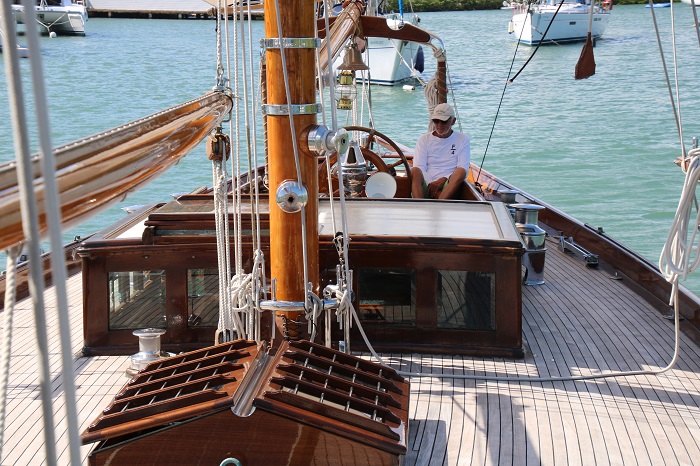 Her hardware, and it’s all original, has been refurbished over the years.
 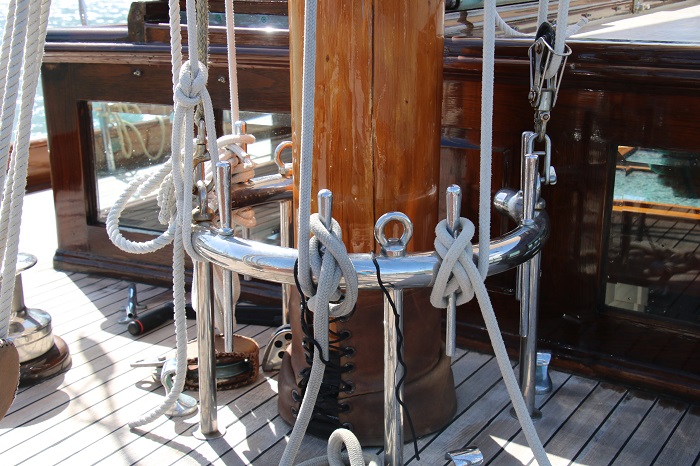 The goose neck, with it’s interesting vertical bar is worth noting. When the sail is hoisted, the boom raises up to the top of the slide.
 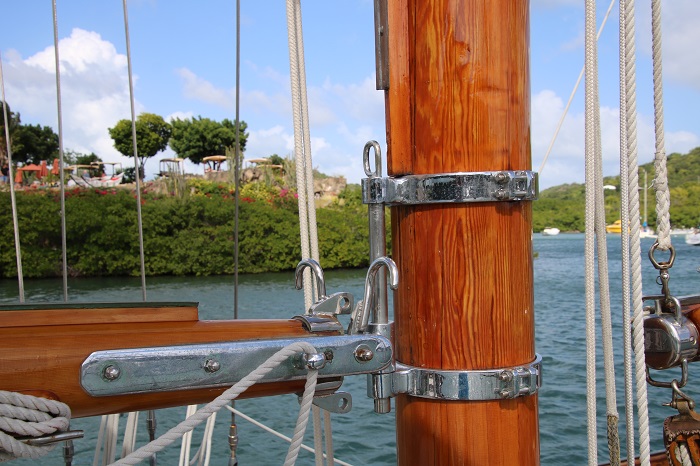 Gerald was proud to show me the recent scarf joints on the boom where there had been some decay. It was beautifully done with perfect hairline glue lines.
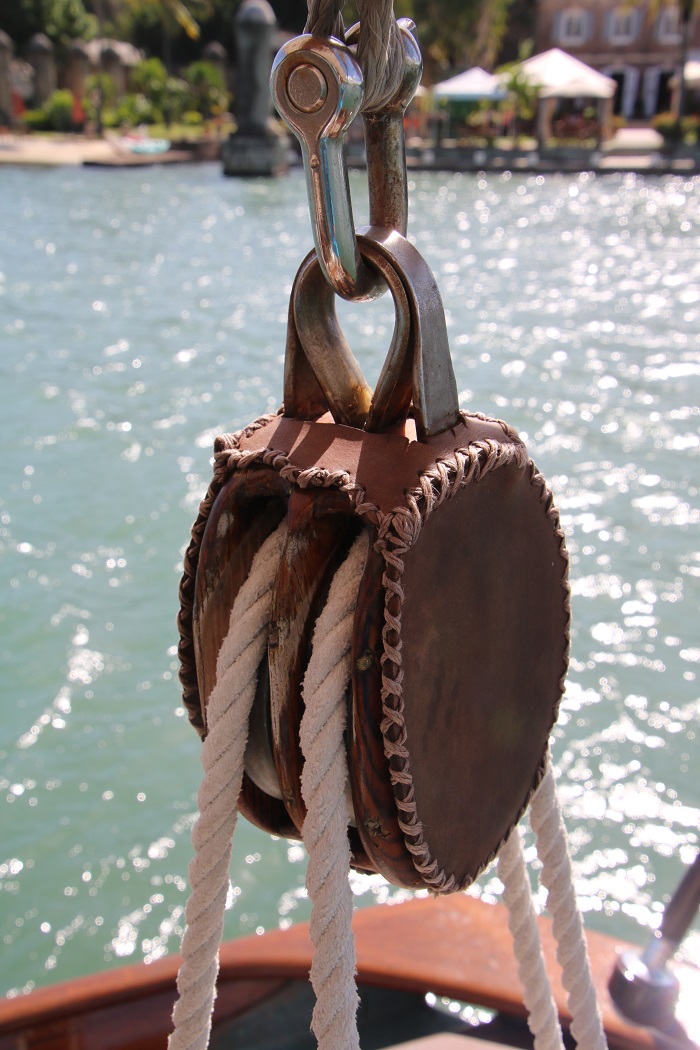
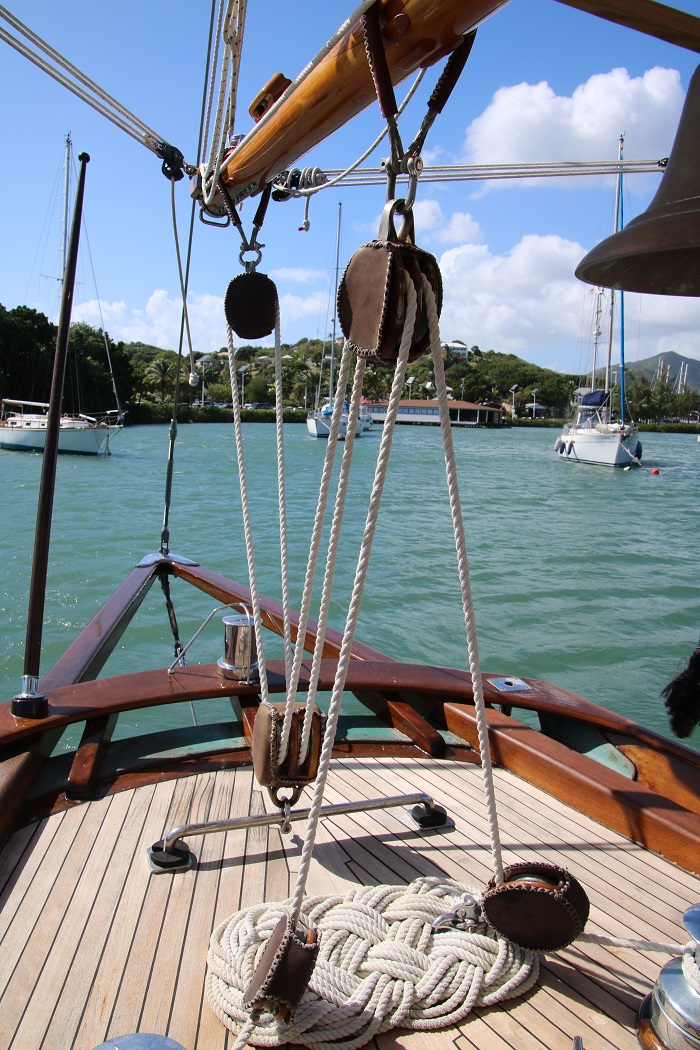
 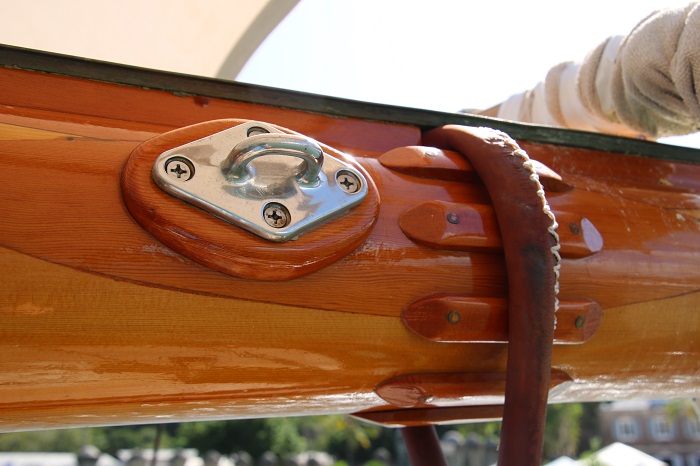 Everywhere lovely leather covers for shell blocks and covering whatever hardware might mar the decks, varnish or paint.
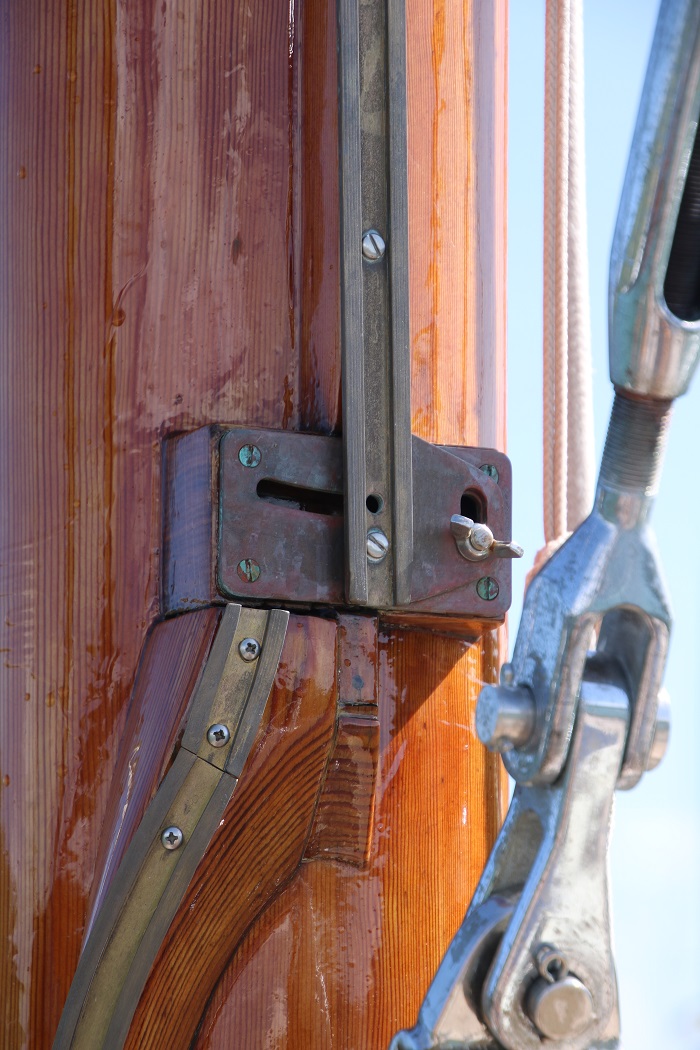
  I was taken by what must have been a very innovative piece of hardware on her mast track to hoist the storm sail.
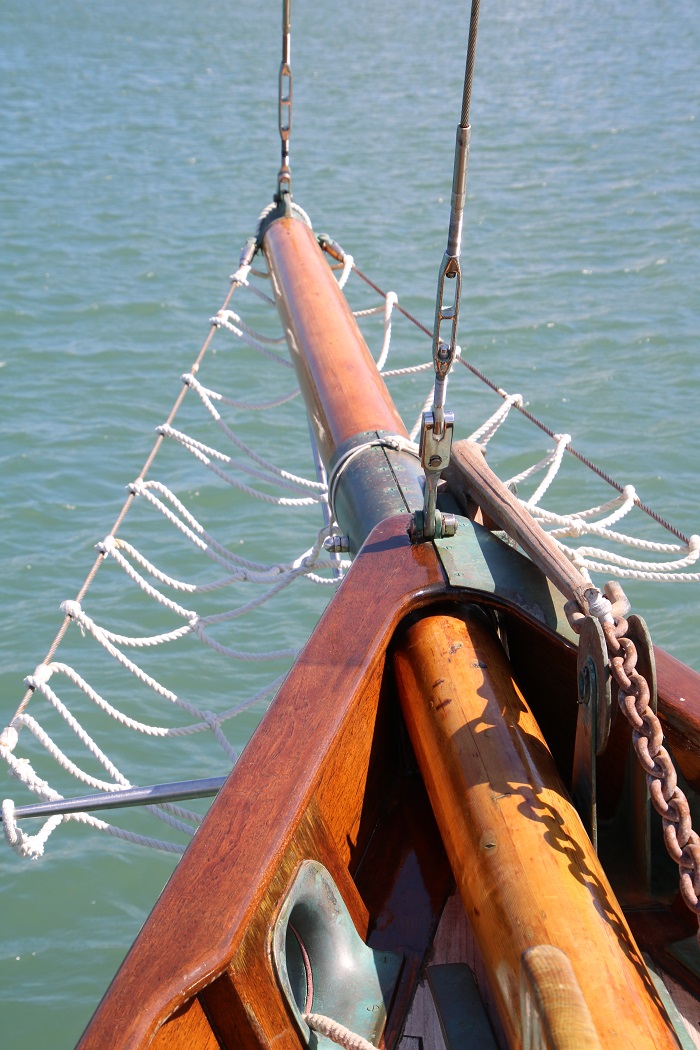
  One departure from the original designed to make here easier to sail short handed, was the addition of a boom-kin. Of course, Gerald consulted with experts at the Herreshoff museum in Bristol RI where he sits on the board of directors. It’s a lovely addition and surely Capt Nat, always the innovator himself, would have approved. This change made it possible to remove one of the two sets of running backstays, an important simplification.
  And, on the pointy end.
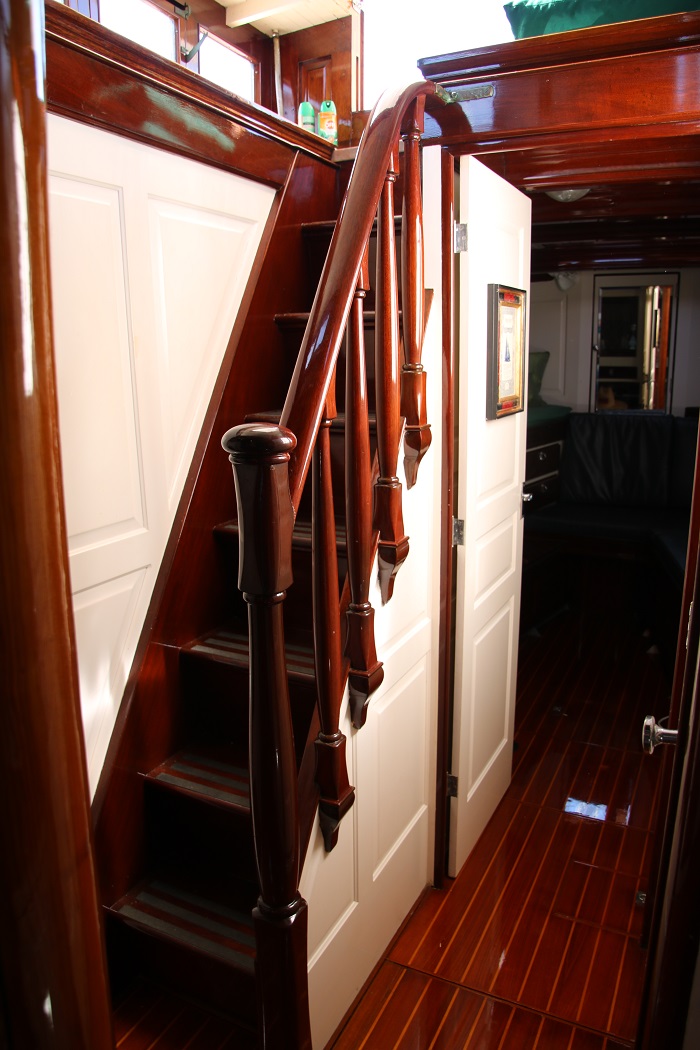
  As you head down below. What a banister and the classic “Herreshoff interior” white panels with varnished wood trim.
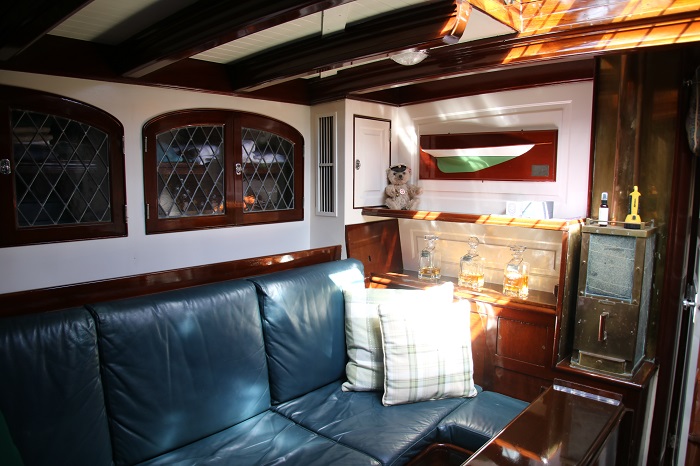
 Wonderful glazing on the interior cabinets in the main salon.
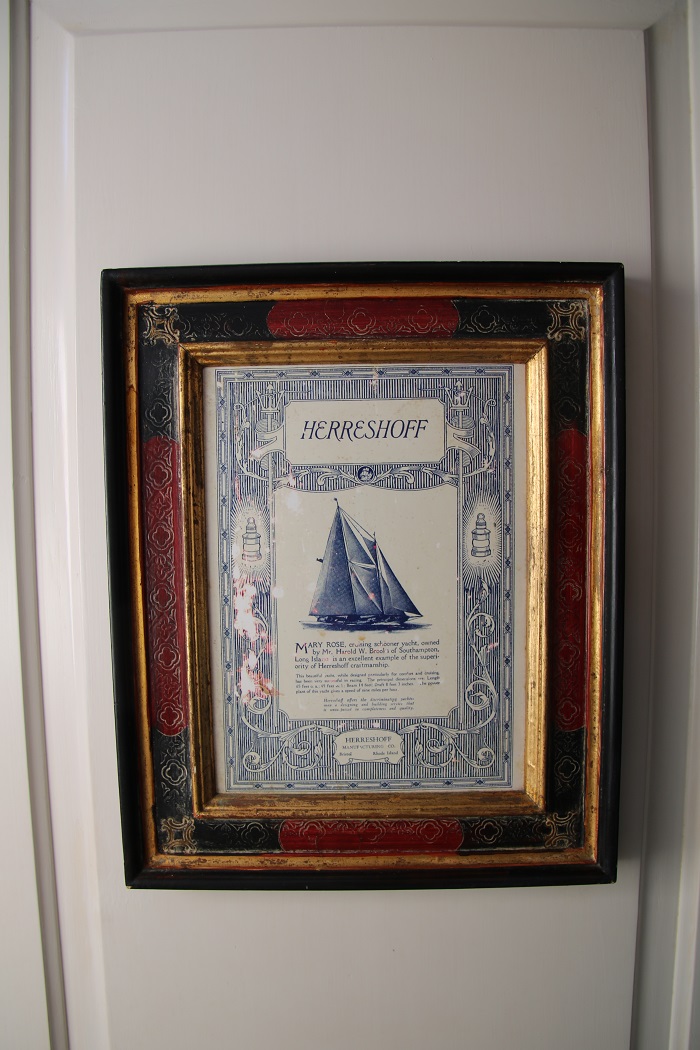
  And a commemorative print when she was launched way back when. However, no sign of that 1959 cover shot.
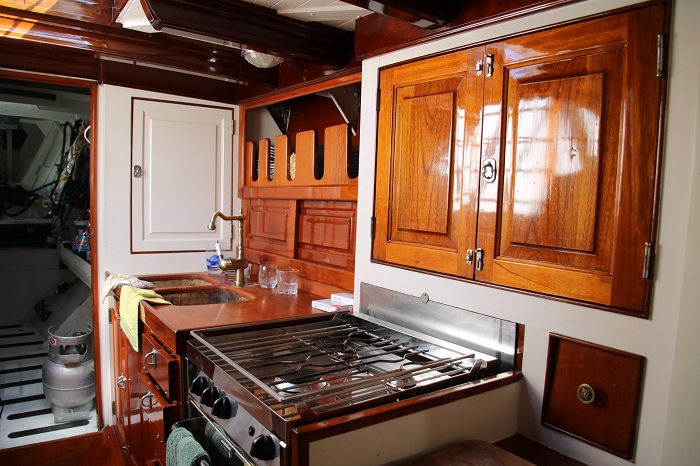
  A very nice, functional galley. Of course, with the modern conveniences of generator and refrigeration to keep things civilized when cruising.
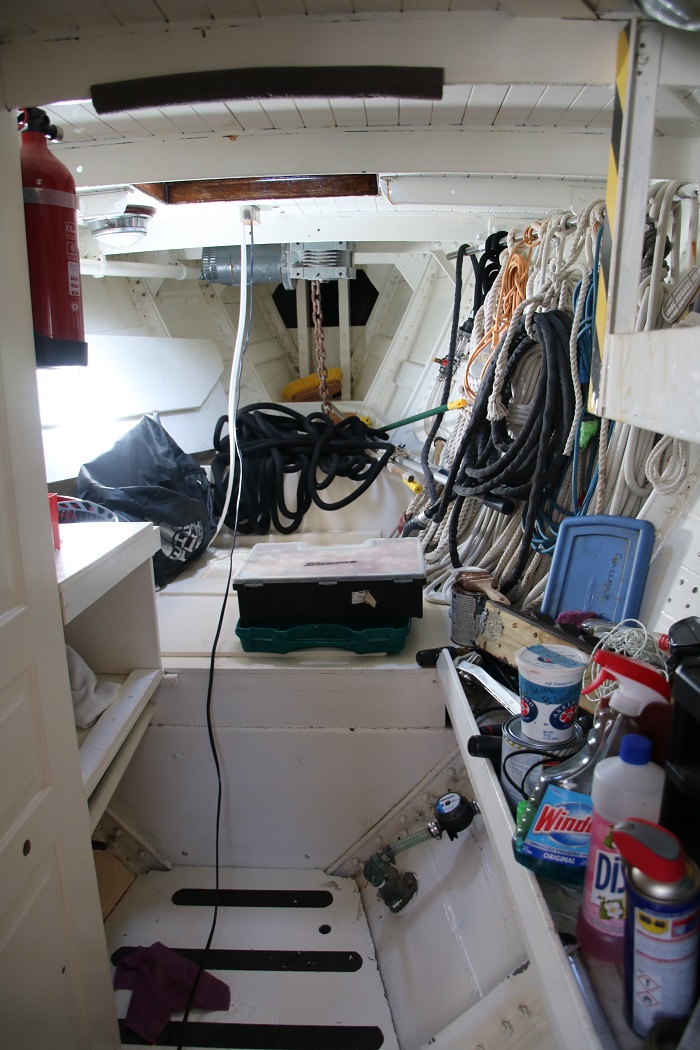
 It’s clear from the stuff stored in the forepeak that she is a yacht that is used and not some sort of static museum piece.
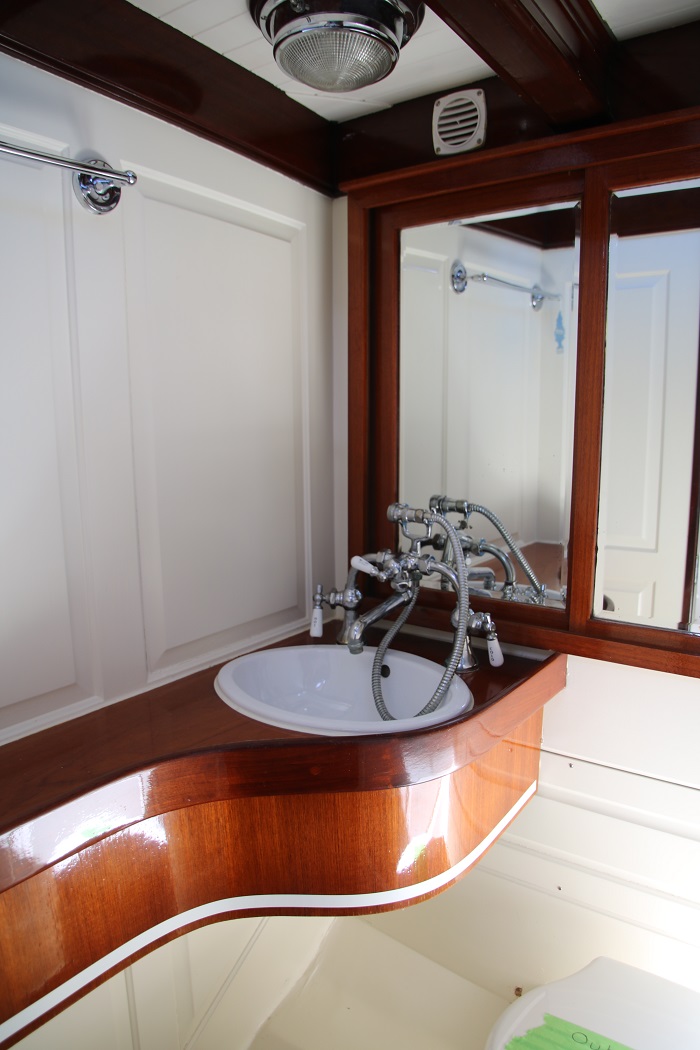
  Beautiful restored hardware in the two heads complete with modern heads.
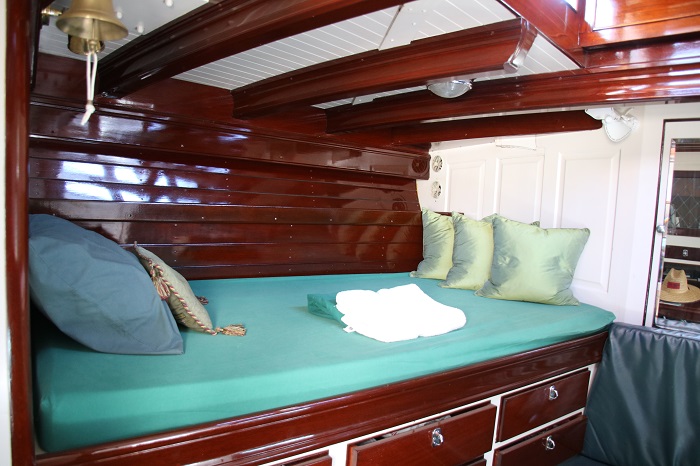
  A very nice master cabin although I expect it is a bit stuffy in the tropical climate.
  All and all, Mary Rose is a proper yacht with a caring owner and it is clear that he is committed to bringing her into her second century in grand style.
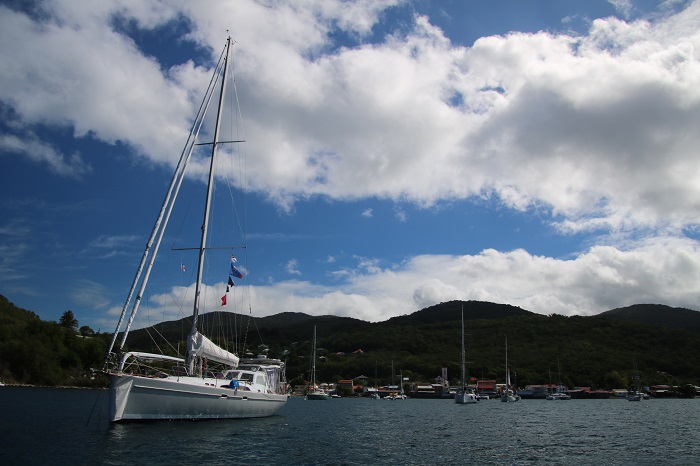 The village is impossibly charming with a little French bakery and loads of, you guessed it, French restaurants to choose from. As we got here fairly late yesterday, we ate aboard and enjoyed a bottle of rose, some French cheese and cured meats that I purchased in a charming little shop. Yum! No, make that Triple Yum.
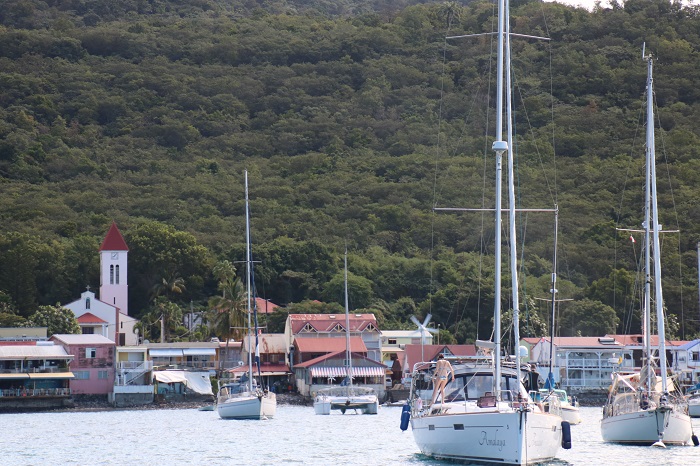 The harbor can be crowded and arriving late in the day we had to anchor fairly far out in 40′ of water. It was a bit rolly but this morning we were able to move in closer and it’s much more settled. At 25′ deep you can clearly see the bottom. Schools of
 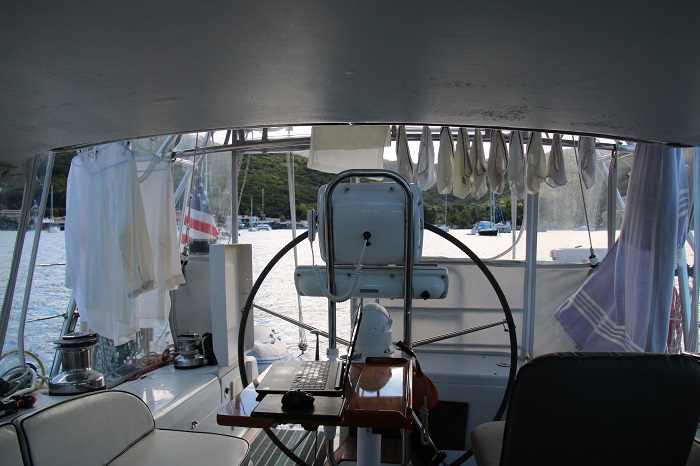 There isn’t much wind right now as the trades are low which is a good time to visit. Interestingly, while the trades are always from the east, this harbor has an onshore light westerly wind, a sort of Station Wagon effect, where the wind blows over the mountains and curls around 180 degrees in the lee of the island.
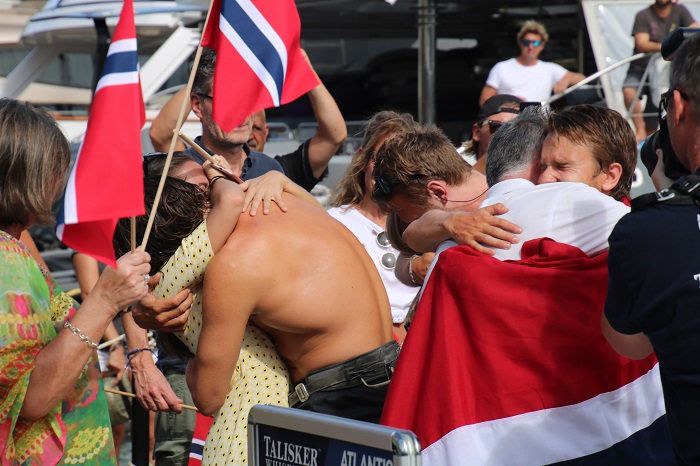 They would be waving American flags, I’d expect. “Here they come! I see them coming into the harbor. Yes, It’s Pandora, I see them, both Bob and Brenda are aboard! YES!!!”
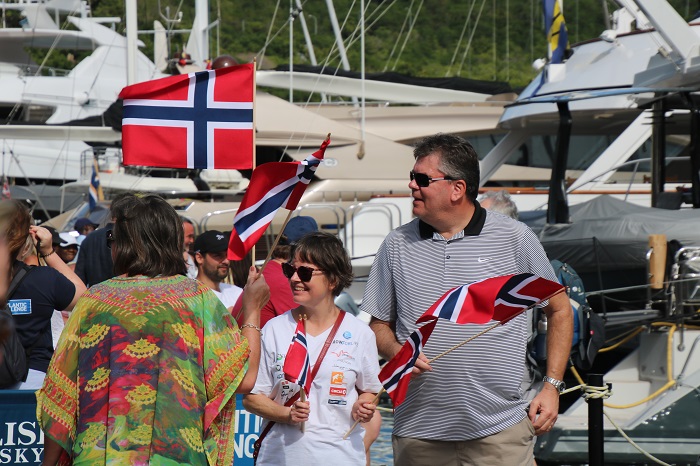 “No wait, it’s only a little rowboat.”
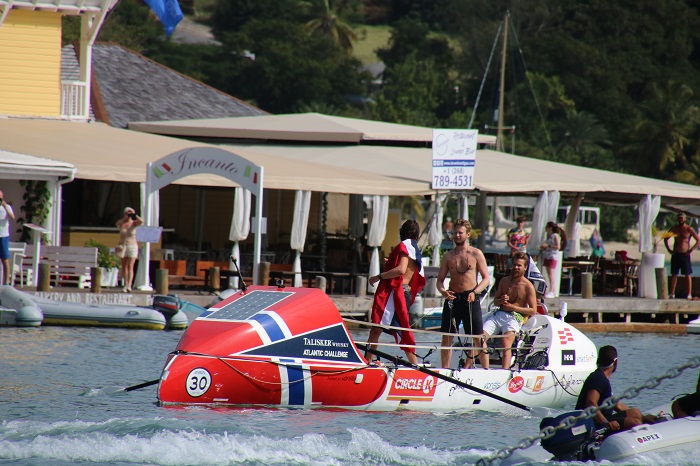 Never mind.
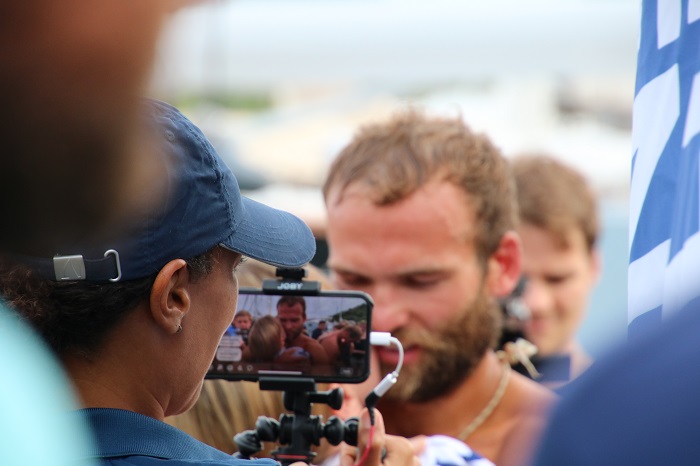
 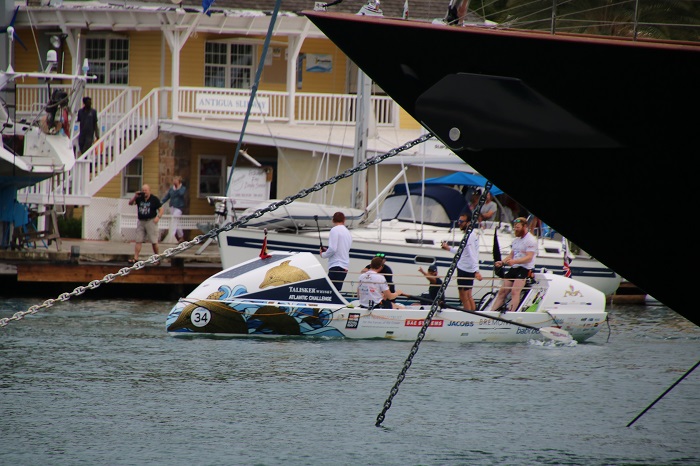 The guys on this boat, and there were four aboard, really looked excited to be here.
 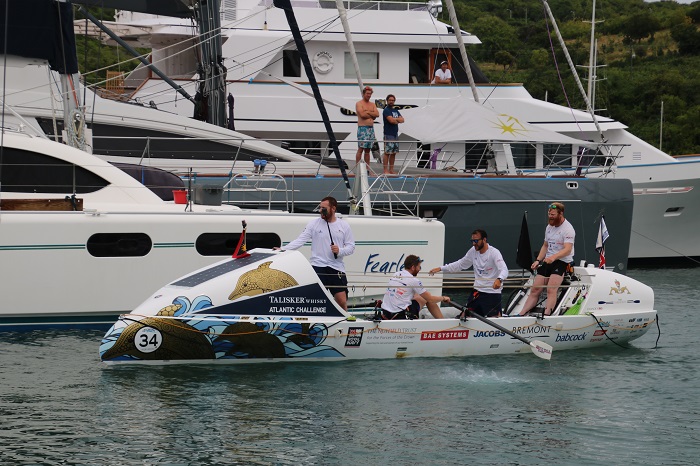 A few days ago, a three man team arrived, brothers. It was quite moving to see them greeted by family and friends.
 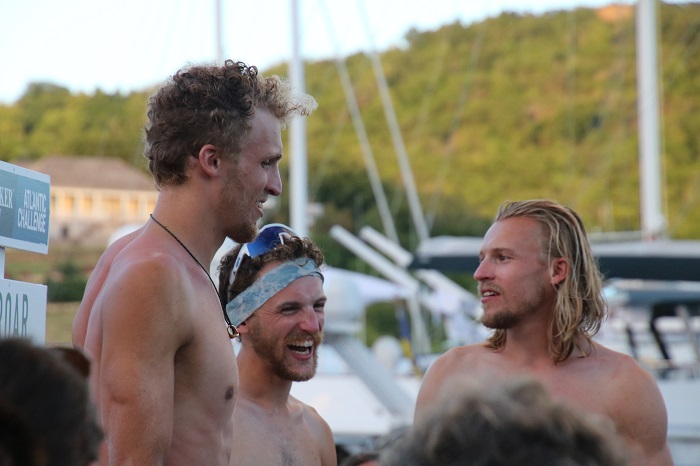 And there were speeches all around. They were justifiably proud of what they had accomplished. The MC asked them what the most memorable moment was on the trip and they talked about how a butterfly flew by their boat, following a gale, more than 1,500 miles from anything.
  We have had birds land on board Pandora many times, often more than 500 miles from shore,. Amazing stamina for a tiny insect, flying so far.
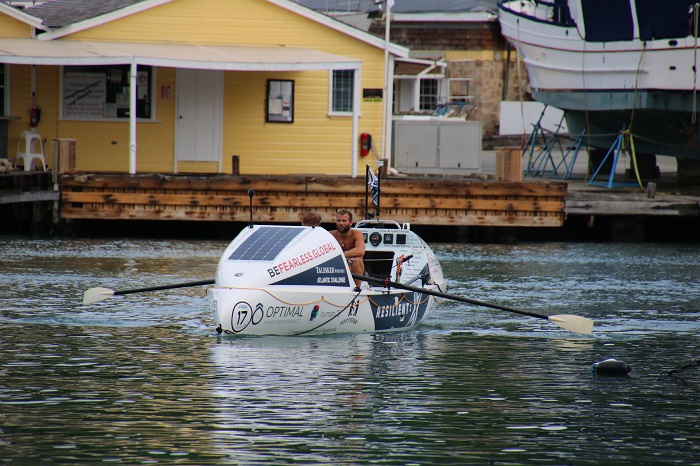 I can only imagine how emotional it must have been for them to arrive after so long at sea and under such tough conditions.
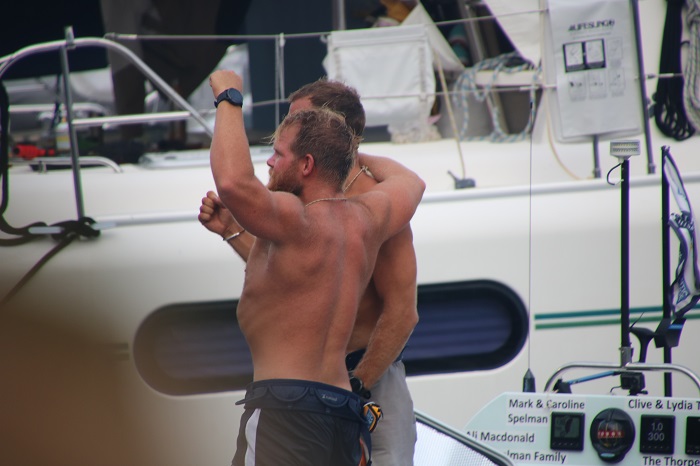
 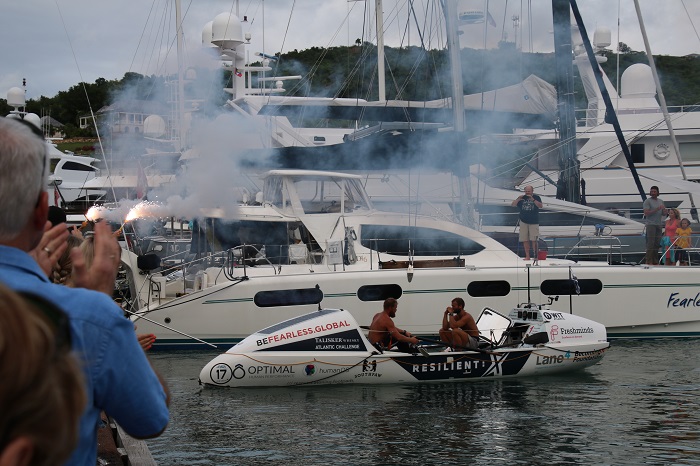 These guys were clearly happy with their accomplishment. I wonder if they were this “buff” at the beginning of their trip. Probably, but now “super buff” and very happy to be “home”.
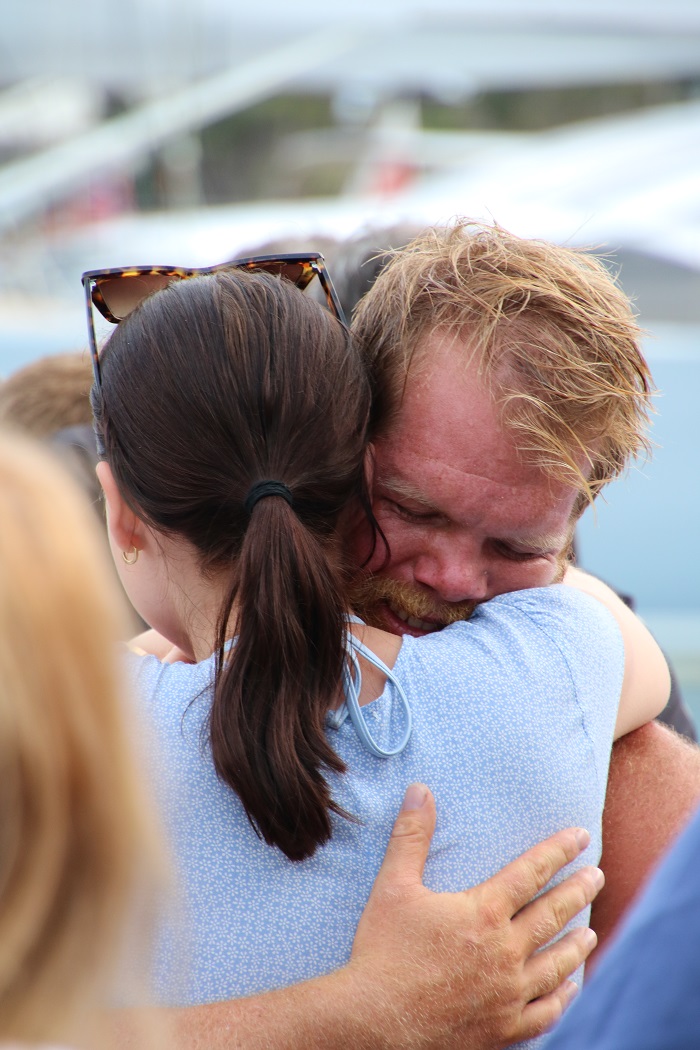
  Seeing the teams greet family was quite moving. Most were overcome by emotion as soon as they stepped on the dock, reunited with loved ones, wives and babies that they had not seen for months.
  Every moment of each team’s arrival was captured from every angle.
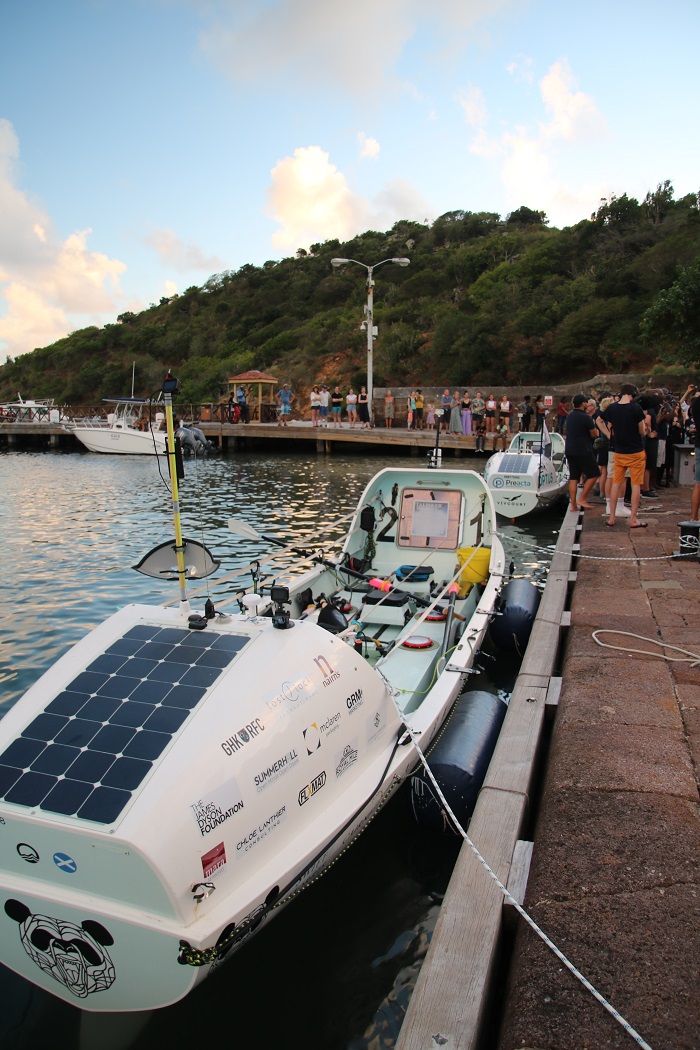
 These boats are all nearly identical, only longer or shorter depending on the number of rowing stations. I am told that some of the boats are shipped home after the race and some sold here in Antigua. I doubt that they are used more than once by many individual teams. “Hey guys, that was fun, wana row back?”
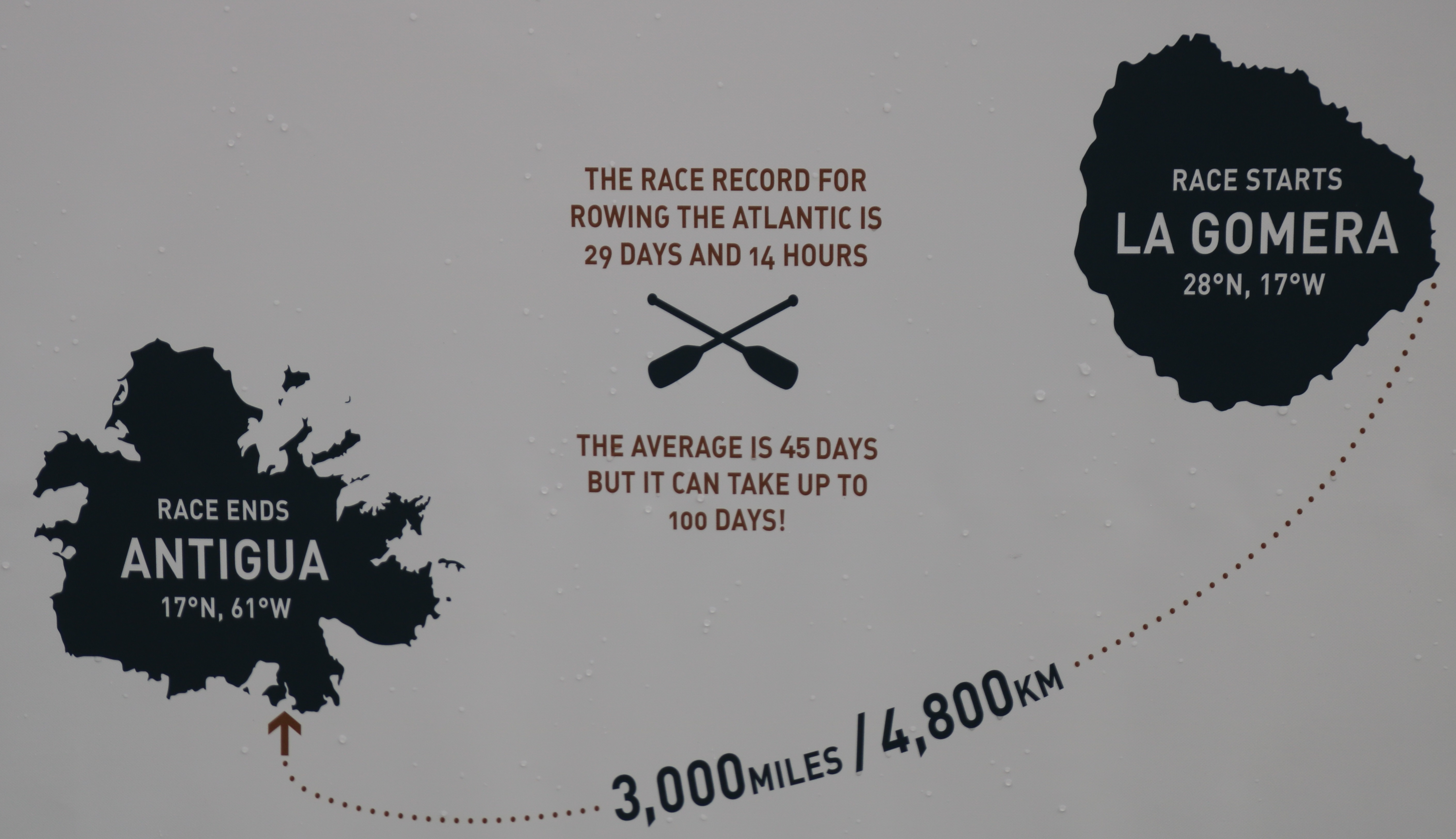
 According to the official site, some facts…
 This short video gives a good feel for what the arrival was like and highlights from some of the races. There is no doubt about it, this is indeed “The Worlds Toughest Row”.
 Come to Antigua and find out for yourself.