


Yes, it looks like Wednesday’s the day! BVI, here we come!!!
I spoke with Chris Parker today and his original recommendation that Wednesday the 4th will be good for a departure to head to the BVI still stands. This is actually a surprise to me as long range forecasts usually don’t turn out to be quite the same when they are no longer long range.
So, here’s what Chris thinks things will look like for next week.
I could leave either Wednesday or Thursday from Beaufort but a departure on Wednesday puts us south of the Gulf Stream in advance of strong NW winds in the range of 20-30kts with higher gusts that we’d likely see with a Thursday departure.
By leaving Wednesday morning we’d be ahead of this and probably will see winds in the 20s out of the west as we cross the Gulf Stream. By evening, and we’d be across the Gulf Stream by that point, we expect to have NW winds in the 20-25 range that should carry through Thursday morning.
After that the winds should go light with a continued NW component followed by light winds for Saturday and Sunday, suggesting a few days of motoring.
On Monday it looks like NW winds will build again which will allow us to carry the rumbline all the way south to the BVI. This is in contrast to the “normal” run to the eastern Caribbean that generally calls for a lot of easting toward Bermuda prior to heading south when we reach the easterly trade winds. Of course, a straight shot is also shorter which may mean a total run of a week or perhaps a day or two longer if we have to motor a lot.
However, if we are delayed and can’t get going on Wednesday we will probably have to wait until the weekend or next Monday to avoid the next front that rolls off the coast after Wednesday.
And speaking of delays, remember the “unfinished” work on Pandora that I wrote about the other day? As I mentioned in my last post, I was able to find someone to look in on Pandora on Friday who told me that some of the work was completed but that the cockpit glazing was not in place. Yesterday I finally heard from the yard owners, who are now back from their vacation. They reported that the cockpit glazing is now in place so we should be “good to go” unless something else comes up. I still don’t understand why the sub that is doing the work would not return my calls, or those from the marina. He still hasn’t contacted me, work done or not.
As of now, it looks like Pandora and her crew are in for a good run with good conditions for a few days of easy fast sailing when we get underway. This is very good as Dave and Jerry are not familiar with Pandora so I don’t want to “jump into the fire” right away with heavy conditions.
I fully expect to see some “sporty” conditions during the trip but it would be best to have that later in the run when we are more settled in to our routine.
While it’s supposed to rain on Monday and Tuesday, it looks like the high on Wednesday will be around 60 degrees which is a lot more appealing than being out in near freezing conditions as we begin our run.
Of course, every post should have at least one photo so how about a sunset photo as Brenda and I entered Cuban waters last March? That seems like a long time ago. What an amazing trip that turned out to be. 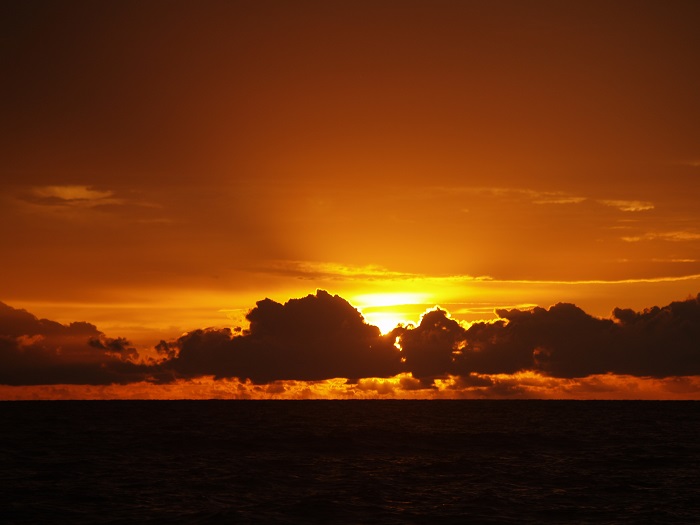 Yes, I expect that this winter will be filled with wonder too as have the last 4 for me and Brenda.
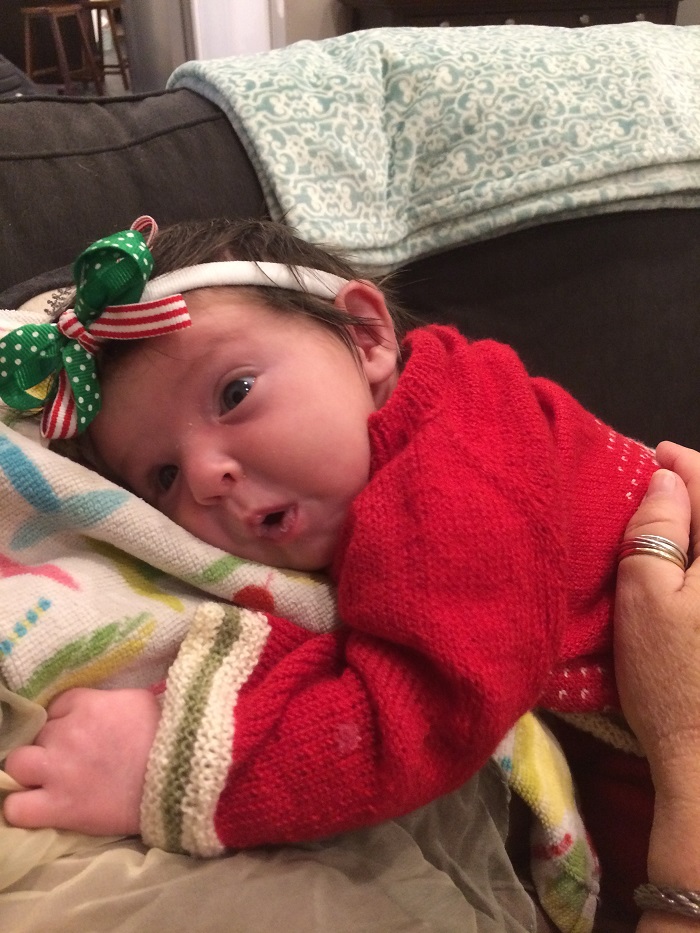
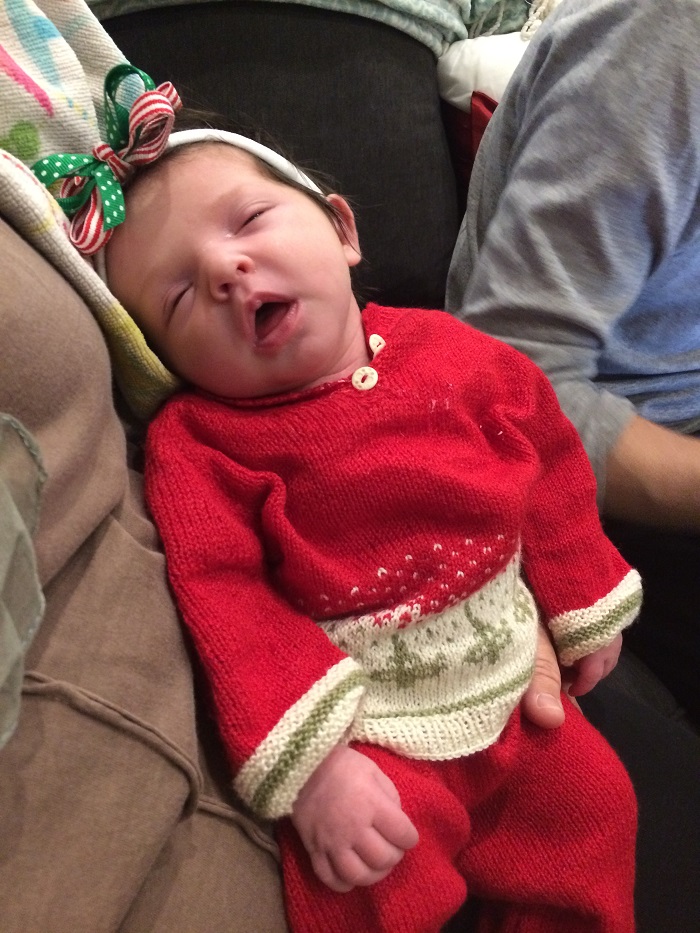
And, speaking of “wonder”, how about a photo from yesterday of our granddaughter Tori in her “Pandora crew” shirt? She’s pretty excited about our trip too.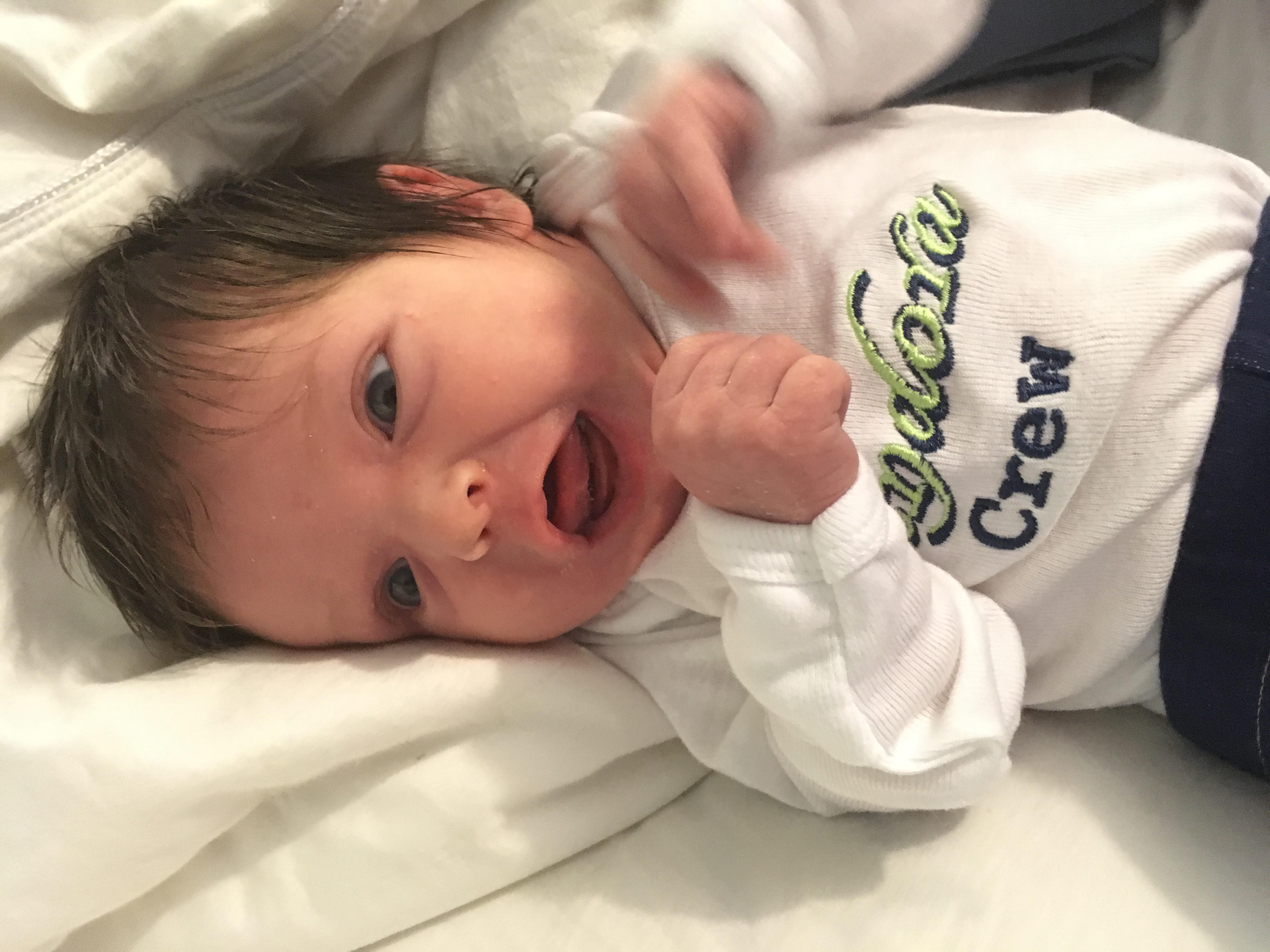 I really feel so sorry for all the mothers who’s children are not as cute Tori. Yes, and when it comes to “wonder” I sure hope that I don’t find my self “wondering” why I decided to make a run from the US to the BVI, beginning in January”. I guess you will have to stay tuned to see how it goes.
So, here’s to a terrific run next week. Yes, indeed, it looks like Wednesday’s the day.
Don’t forget to check out “Where in the World is Pandora” on this page. I’ll have my new tracker working by Tuesday so you will be able to see where we are at most any time all the way.
I’ll be back in a few days with an update.
Happy New Year! It’s going to be great, I’m sure.
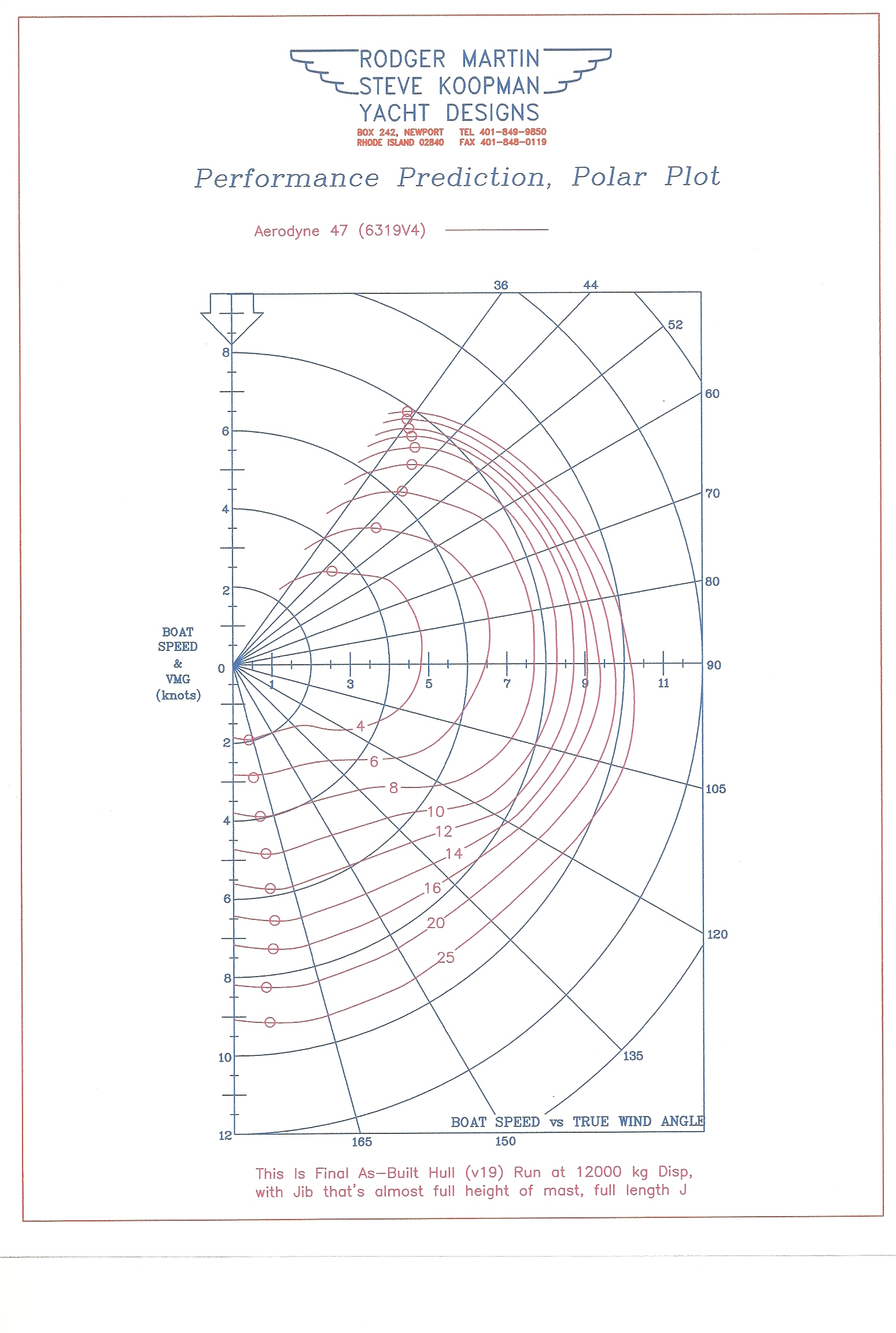
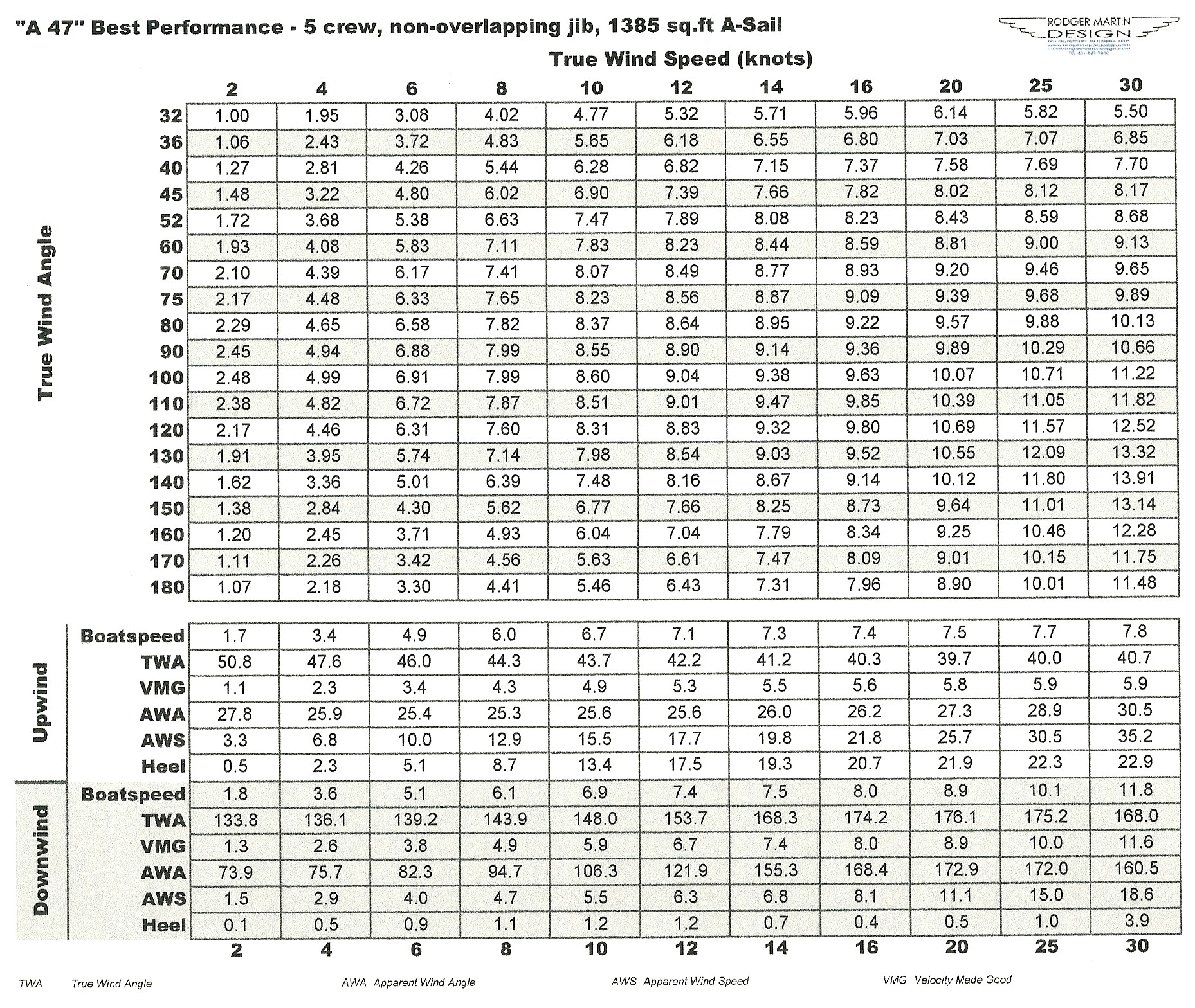 Simply stated, the red lines are wind speed which is overlaid on compass rose that shows a theoretical speed at any given wind angle and speed.
  Unfortunately, after the second set of slides I think I lost her.
  Oh well, perhaps it was the review of GRIB files that did her in, like my last post.
 I guess that’s about all for now. The plan, as of now, will be for me to leave CT on Monday and head directly to Beaufort. Then my crew will arrive on Tuesday. As it’s a 12 hour drive for me, I’ll be pretty bushed when I arrive and will only have about a half day to get settled.
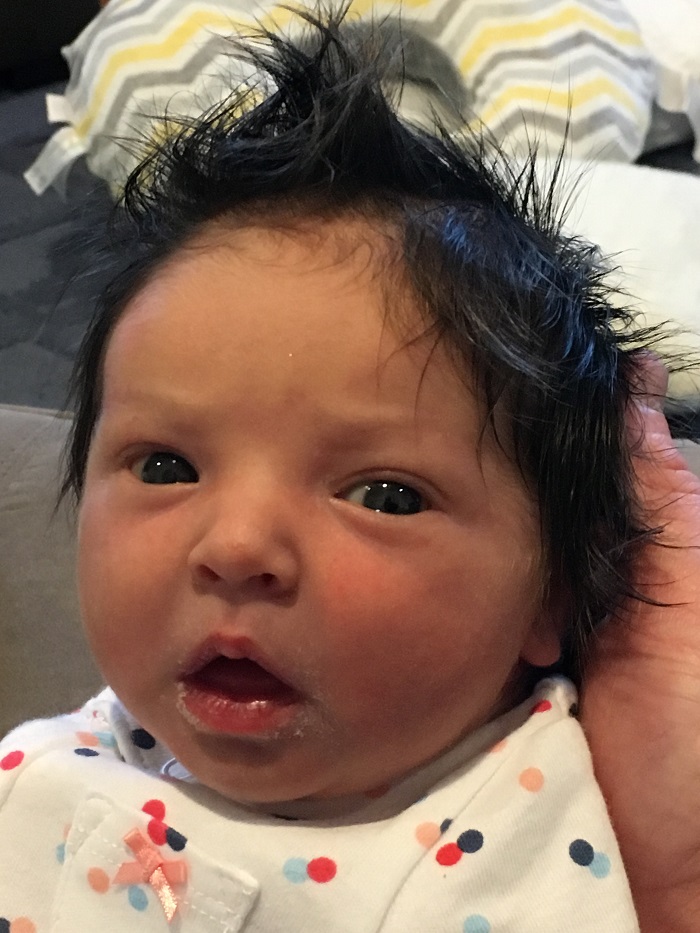 The she suddenly remembered “Oh, you mean my favorite paternal Grandpy! Yes, I remember him!”
 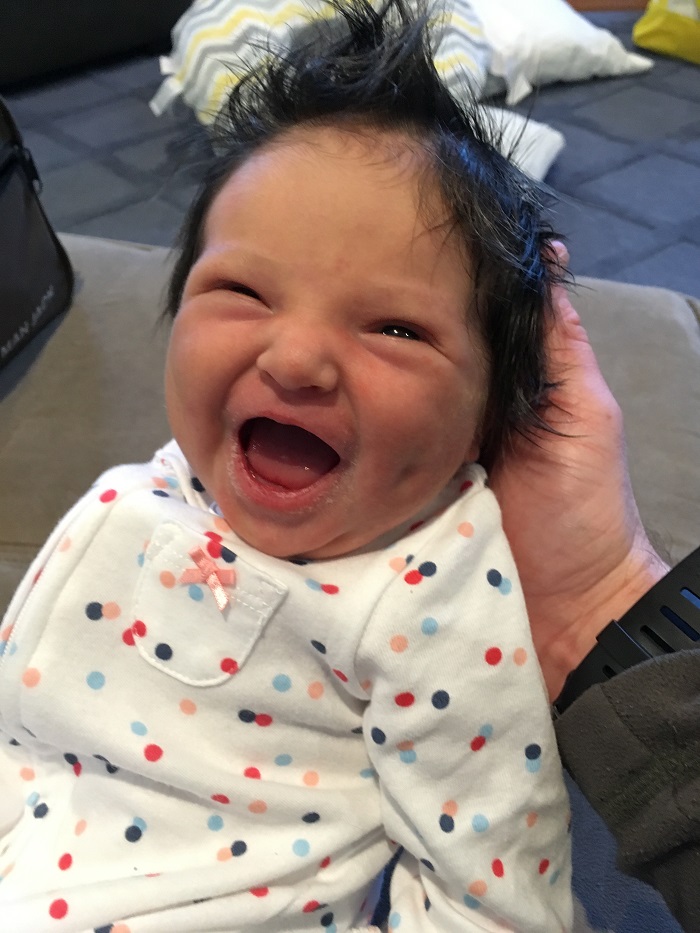 Can you believe that she already knows the word, paternal? Smart girl. We had a onsie made up for her that says “Pandora Crew”. Good to start the training early. Picture of her in uniform to come soon. Right Rob? I know how much she loves being dressed and changed into new clothes. All that crying is really her trying to say “TAKE ME SAILING GRANDPY”. Not certain on the spelling of Grandpy. Spell check only pulls up Granny and that’s not working for me.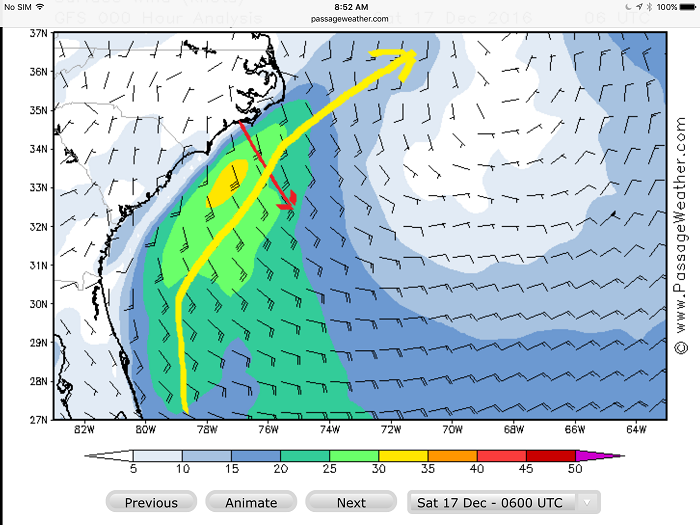
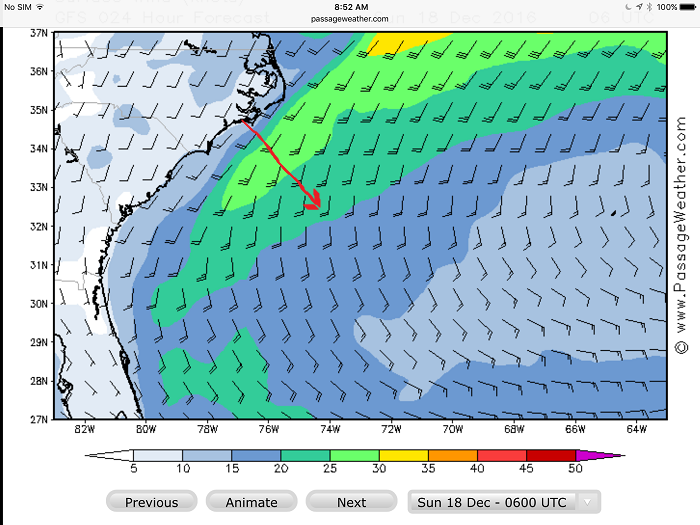 24 hours later, midnight on Monday EST, the wind has again shifted back to the north. However, as you can see, the wind drops out about 24 hours into our run. That’s when we would be south of the GS which goes very close to Hatteras. still a nasty way to start the run.
 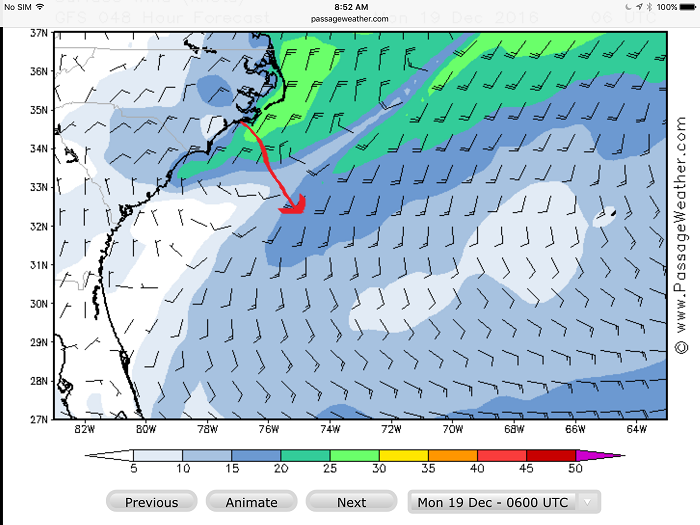 So, Tuesday the winds are still strong from the NE. Nope, still not a good time to cross the Gulf Stream.
 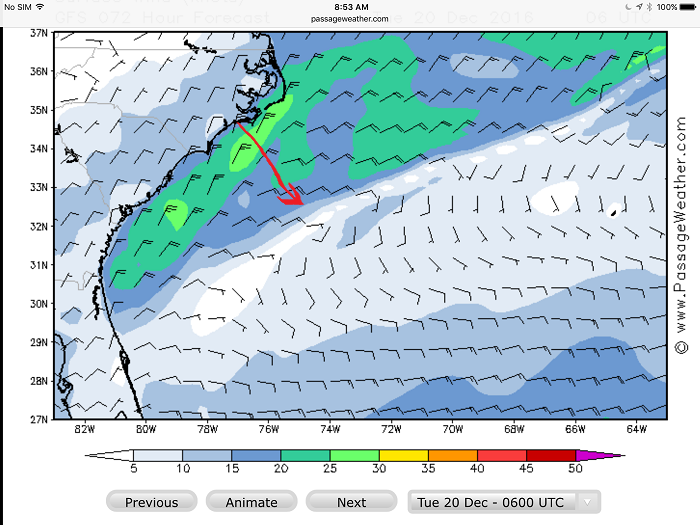 Perhaps Wednesday could be a window to start out if we were ready as the winds are from the NW and not too strong.
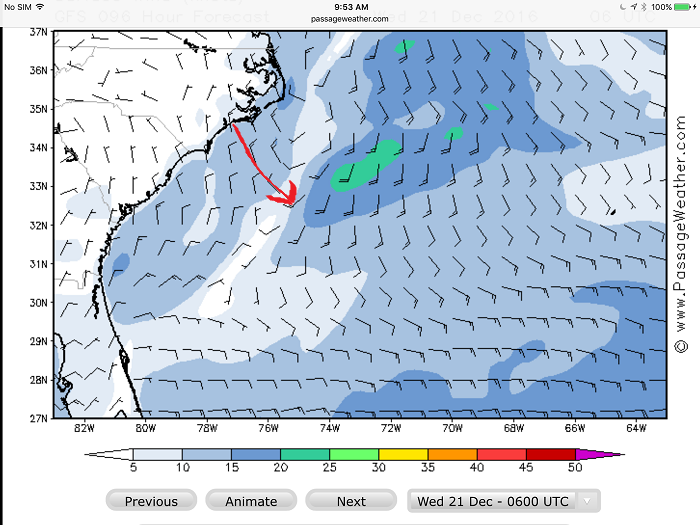 Thursday the wind drops out so a departure might work even if it means motoring for the first day or two Let’s see what Friday brings…
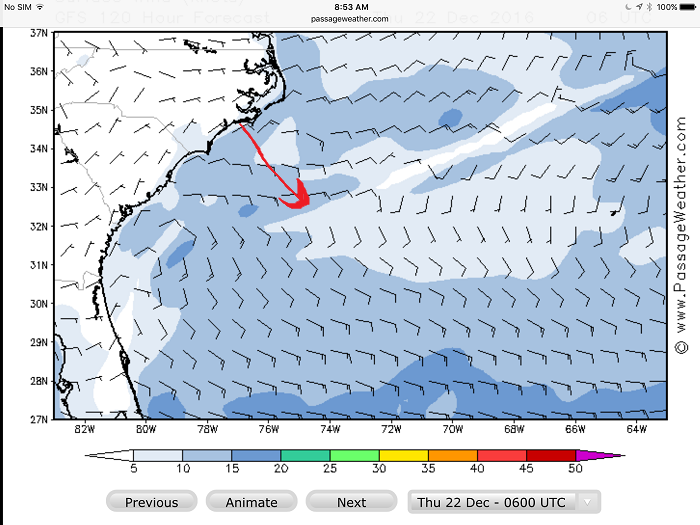 Oops. Friday again brings strong southerlies so the wind would be very far forward of the beam. Pretty unpleasant and the pattern begins all over again.
 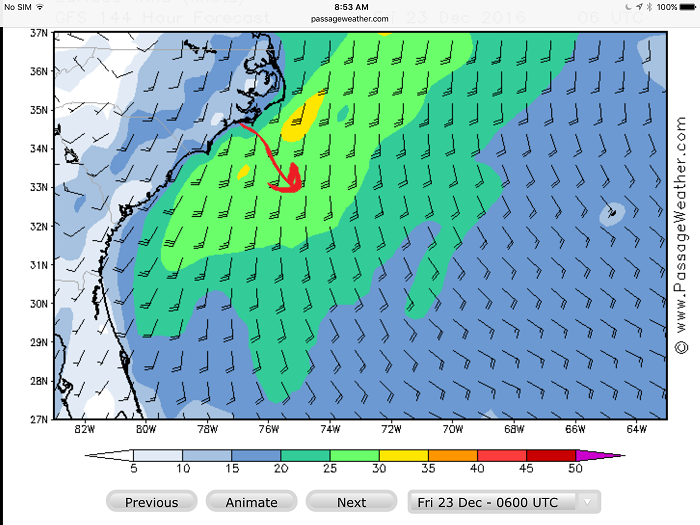 So, what’s a crew to do? Well, this analysis suggests that there really isn’t a decent window in the next week. However, the 4th or 5th of January is still a long way off so we will just have to wait and see what happens. This exercise shows just how changeable the weather is in the winter months. The key will be to get across the Gulf Stream and into more southerly waters before the next cold front moves off of the coast.
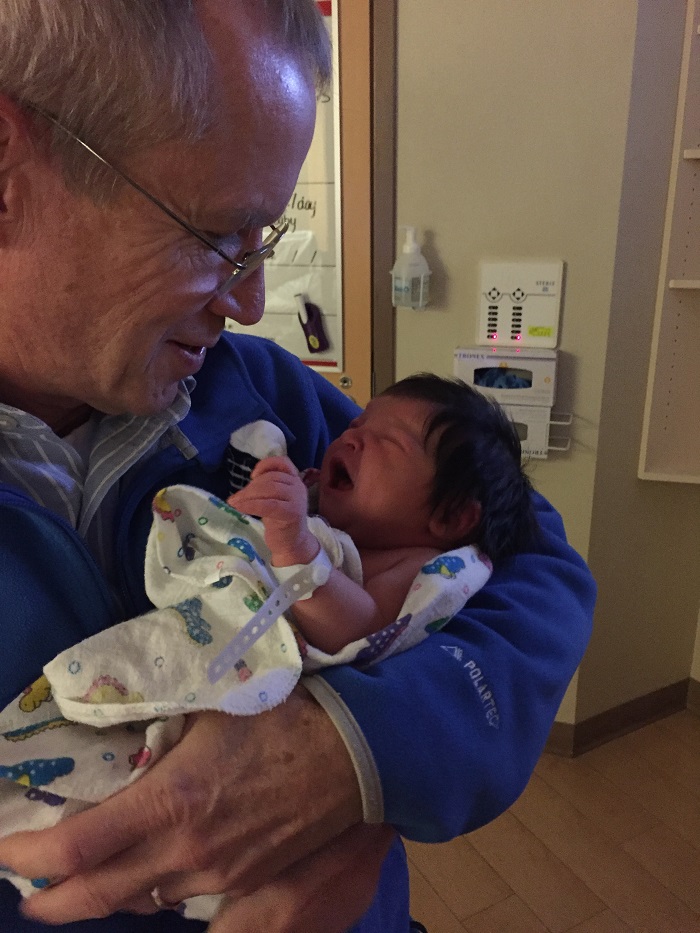 So,I gave her back to her parents.
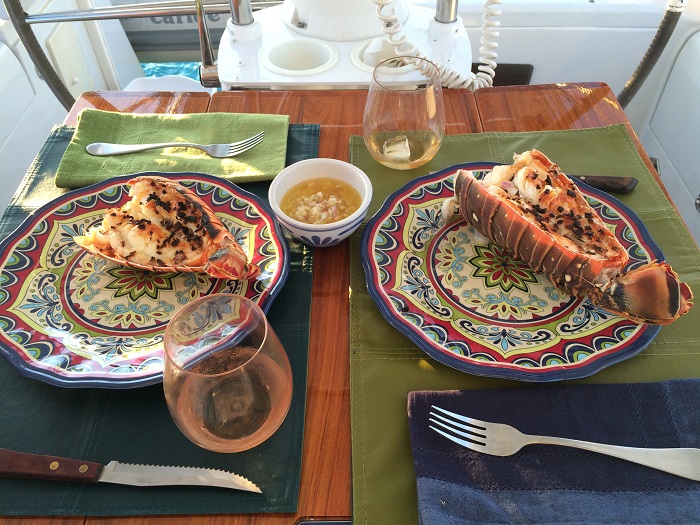
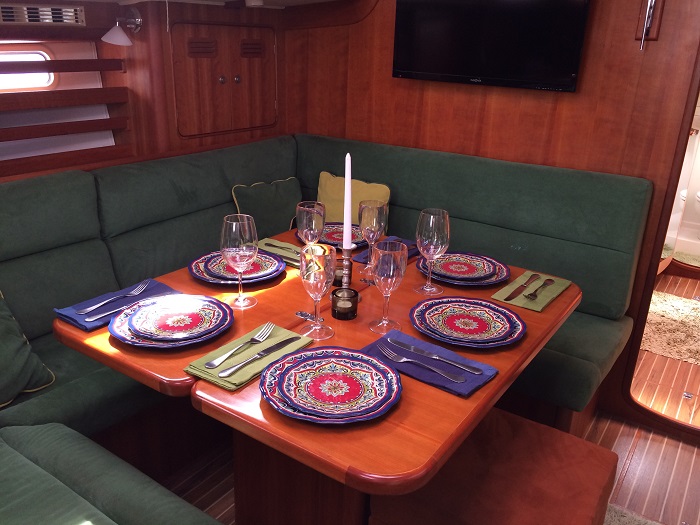 However, in the cockpit, where we prefer to dine when it’s nice outside (of course) only had room for two. While we were in Cuba was had to eat fresg caught lobster all by ourselves while, you can plainly see, enduring desperate conditions. However, somehow we somehow managed to survive until now Such depravity!
  However, we did somehow survive and we FINALLY have a larger table. I have fashioned an 18″ extension that I can slip on or off as needed. Pretty nifty actually as engineering this was not simple and to make it look the same as the Lewmar table that came with the boat was pretty tough. However, now, we can open it up and there will be plenty of room for the “four for dinner” that we had so desperately longed for. You’ll have to forgive the difference in color of the new wood on the extension. Yes, it will fade in time to be more golden.
 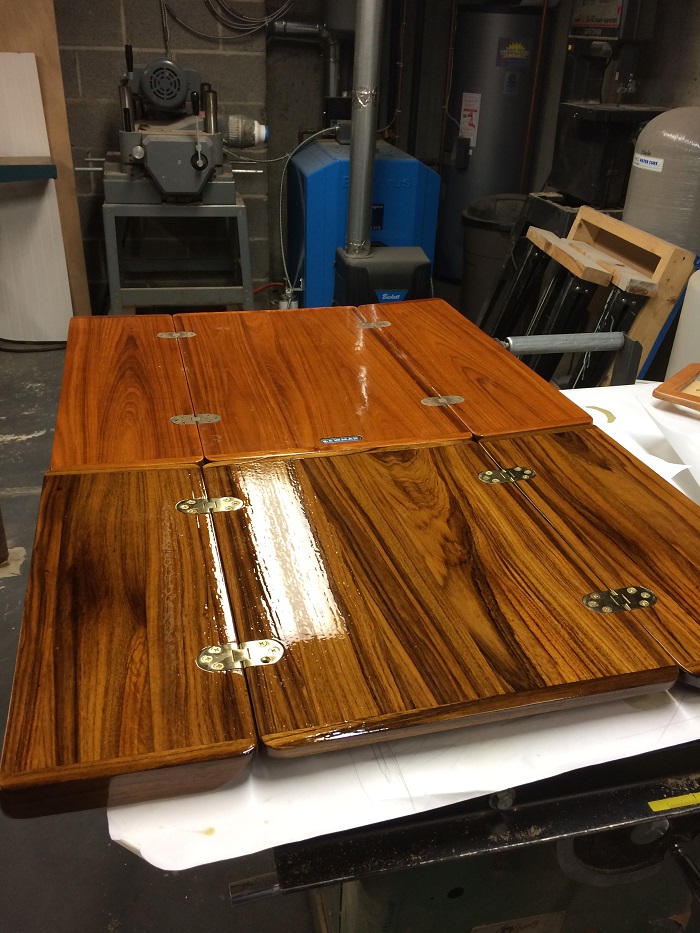 We can also fold it up for those times when we need the room to put out drinks and snacks only. You know, “six for cocktails”. Actually, sometimes we have twice that many and that puny little 24″ table just won’t do.
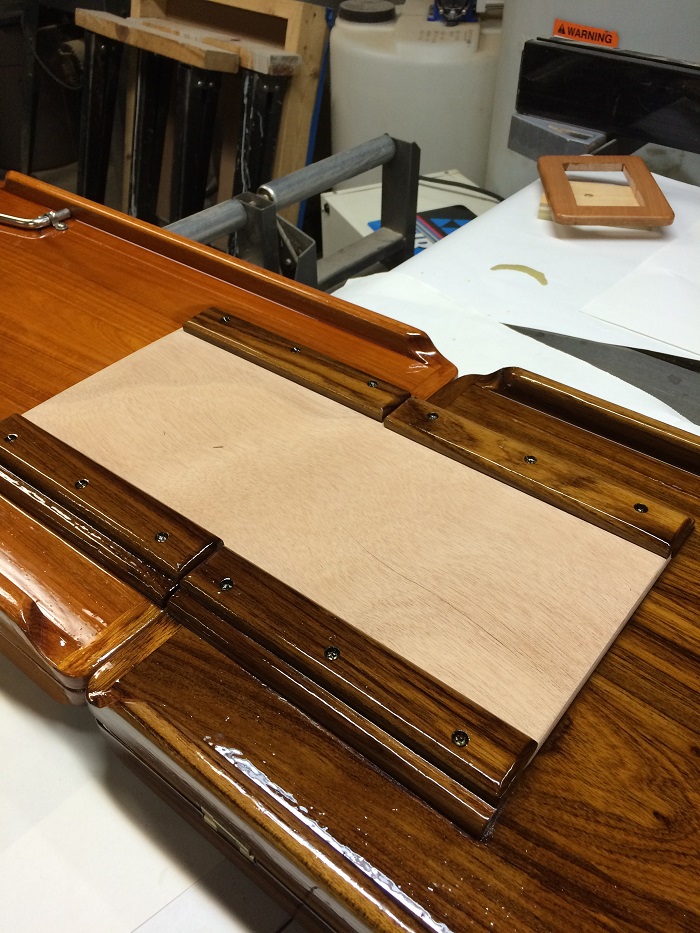
 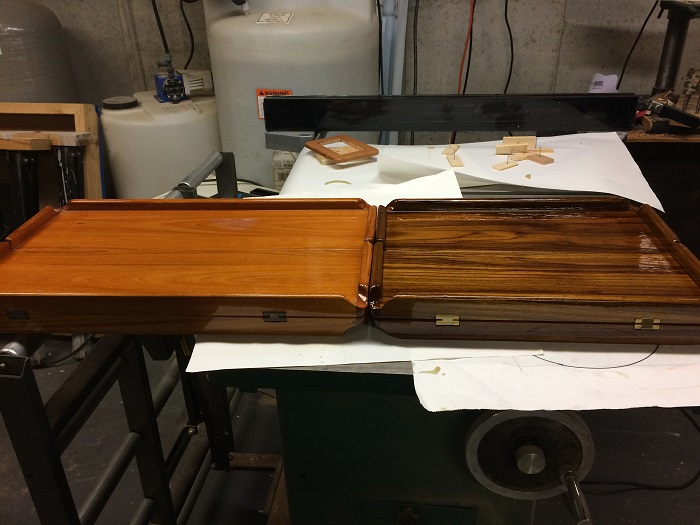 “Bob. How ever will you keep the two halves together and support the end?” Thank you. I am very pleased that you asked. There is a “magic tab” on the back that slides into two channels to support things. I have to say that coming up with this took some genuine “head scratching” and it wasn’t until I was describing the problem to my friend Craig a few weeks ago that he suggested a sort of well, “tab” to keep things lined up. It slides into special (don’t they look special?) slots on the back of table and extension.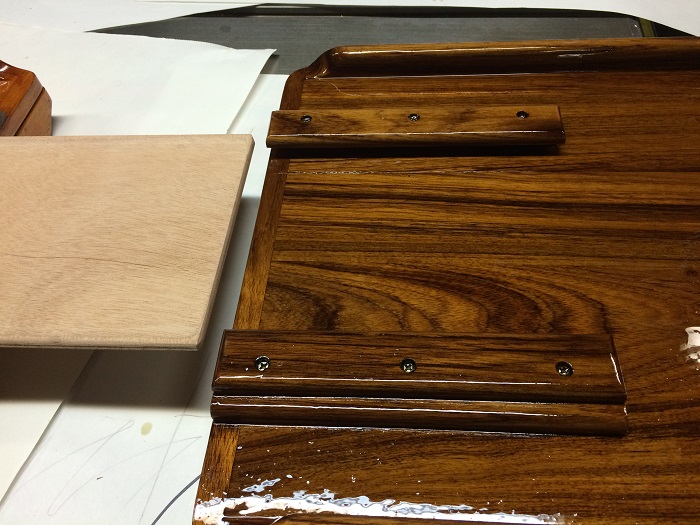
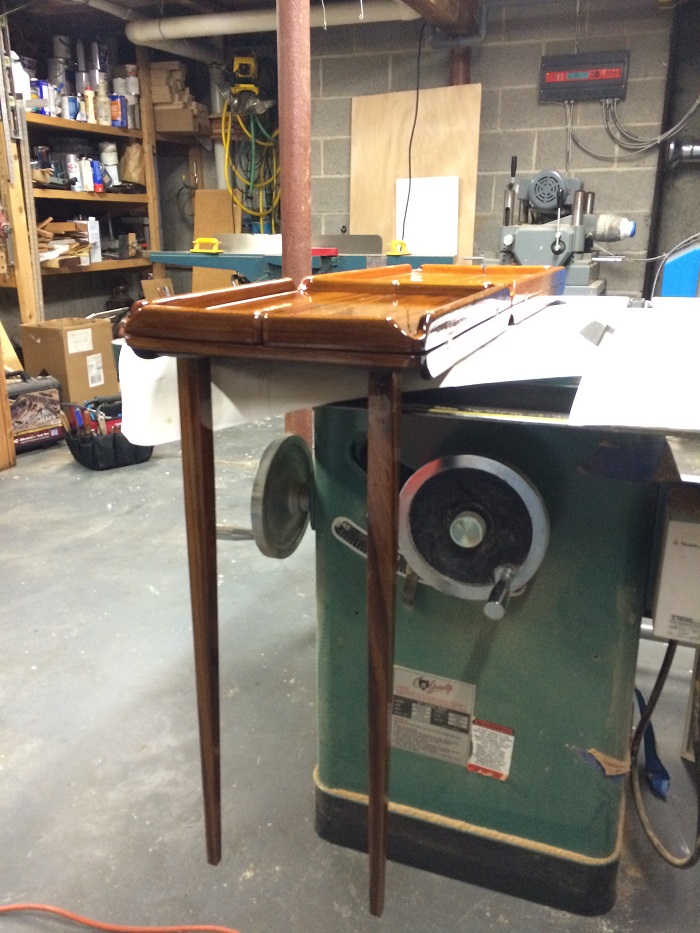
 Oh yeah, I fashioned some nifty screw-in legs to support the table when it’s in the “four for dinner” configuration. It just wouldn’t do if one of our guests somehow ended a bit “lit” and leaned too hard on the end of the table. All those chips everywhere. That just wouldn’t do.
  In case you missed the post that described the earlier stages of construction